





The veterinary field has seen prices go up and up since the COVID-19 pandemic. Those in the field say there’s also a need for more veterinarians, especially in rural areas.
Many animal rescue and shelter leaders say these factors play a role in the animal overpopulation issue seen today. They said one healthy female cat can have three litters of five kittens a year.
“If one cat can produce 15 kittens a year, I mean, just think about that. You think about all the unspayed or neutered cats out there, and it just exponentially grows,” said Dawn Hayman, co-founder and director of Spring Farm CARES.
So get them spayed and neutered, and that will get the population of stray cats and dogs under control, right? It’s not that simple.
“There’s not a factor in this world that would solve the problem,” Hayman said.
According to RexVet, the average cost in New York for a cat’s spay surgery was between $175 and $550 as of last May.
That may seem high, but the cost reflects the challenges facing veterinary clinics.
“Everything from the Q-Tip that we use to clean your pet’s ears, to the cotton balls, to the alcohol, to the blood work, to the paint is paid for by the business owner,” said Dr. Evan Sandler of CNY Veterinary Medical Services.
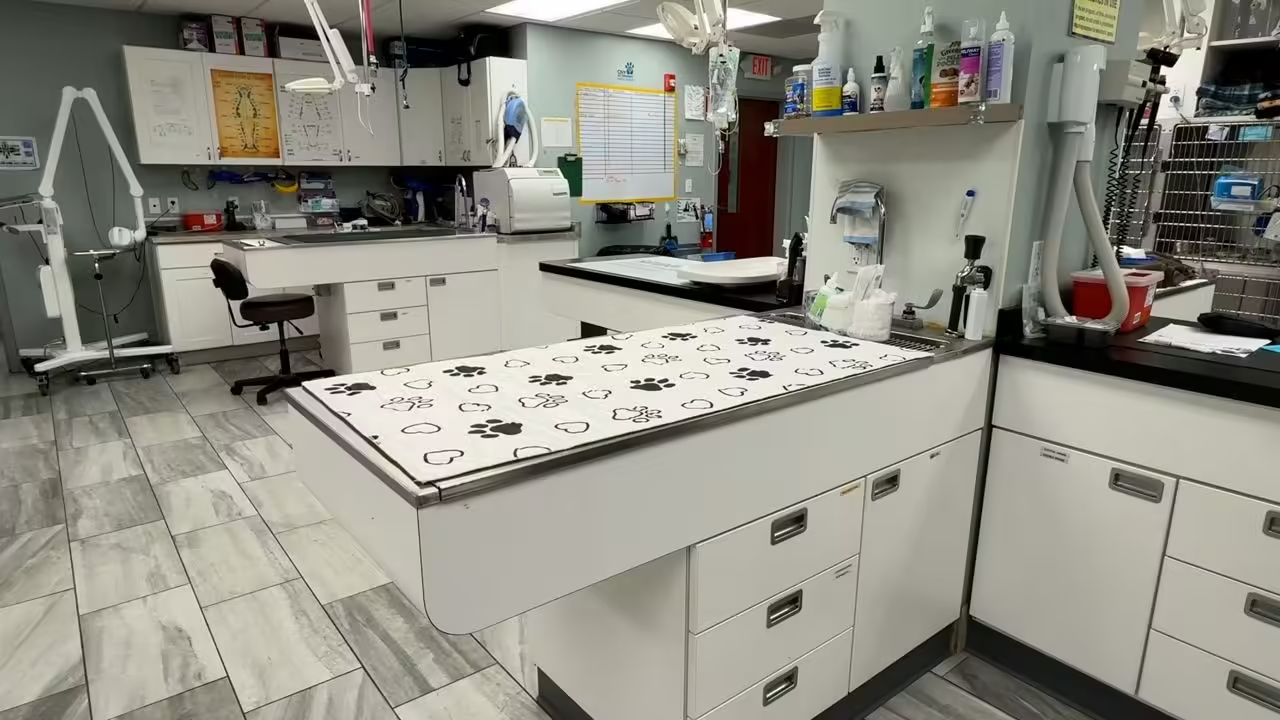
A cat is examined during a veterinary visit, as rising costs put pressure on pet owners and clinics alike. (Spectrum News 1/Melissa Krull)
That’s all expected at a hospital caring for humans, too. The difference is hospitals are often subsidized.
“They get money from either private donors or sometimes government, donors or intake. So, it is not always paid for just from the bills that are collected,” Sandler said.
Additionally, national studies show it’s common for veterinary college graduates to owe more than $200,000.
“Traditionally, it’s been a profession that lags well behind the other medical professions in terms of compensation, despite having pretty much the same amount of schooling,” said Dr. David Lee, executive director of the Cornell Center for Veterinary Business and Entrepreneurship.
Lee said research shows the cost of general veterinary care has increased about 5% a year — higher than the cost of living in most areas.
There’s also pressure from corporations buying veterinary clinics, pet pharmaceutical companies and pet insurance companies.
“You have one corporation that may literally be taking care of all those things,” Sandler said. “And so, they can keep raising the prices because they’re getting rid of any competition from the small private clinics such as ourselves.”
There are staffing shortages, especially in rural areas.
Expenses are a factor, but more people are also focusing on specialty areas of care.
“They can be emergency vets. They can go into research, industry, public practice,” Lee said.
As for solutions, suggestions include loan forgiveness programs, efforts to recruit more rural students and tax deductions for pet medical costs.
A bill introduced in the state Legislature would provide a tax credit for certain pet expenses.
Many veterinary clinics are offering payment plans and recommend getting pet insurance.
Veterinarians say they need more patience and understanding from clients.
Finances aren’t the only reason people aren’t getting their pets spayed and neutered. At the end of the day, it comes down to the pet owner.
The director of Spring Farm CARES said a survey the organization commissioned found procrastination was a top reason pet owners weren’t spaying and neutering their pets.
Source: spectrumlocalnews.com

