


Travellers in 2027 will be less focused on planning the perfect trip, while prioritising personal wellbeing and growth and taking advantage of small windows of time to get away, according to new travel industry insights.
The Hilton 2027 Travel Trends report surveyed more than 14,000 people planning to travel within the next 12 months about the factors influencing how they plan, book and experience holidays. It identified five trends expected to shape consumer choices next year.
The rise of the “ish”
Travellers are “increasingly defining travel on their own terms,” Hilton says. With 54% of respondents feeling under pressure to curate the perfect trip and 24% saying they make compromises to keep others in their party happy, Hilton predicts that less performative, more personally meaningful breaks will become increasingly popular.
“We’re seeing that travelers are less interested in someone else’s definition of perfection and more focused on planning travel on their own terms,” said Chris Nassetta, Hilton president and chief executive officer.
Travelling solo does not necessarily mean spending the entire trip alone. Hilton says 31% of solo travellers meet up with family and friends during their trips, pointing to a wider trend for blended holidays.
The micro-travel mindset
With time a precious commodity, Hilton notes that the “ish” mentality extends to a growing acceptance of shorter breaks. Definitions of a short trip vary, ranging from five or six days in Germany to two days or fewer in Japan and South Korea.
Rather than waiting for the perfect opportunity to take a major trip, travellers are embracing briefer, more frequent breaks that are easier to plan and fit into everyday life.
However, the desire to make the most of a trip remains strong. “Fear of missing out”, or FOMO, drives 67% of respondents to plan itineraries that allow them to experience a lot in a short time.
The travel trust equation
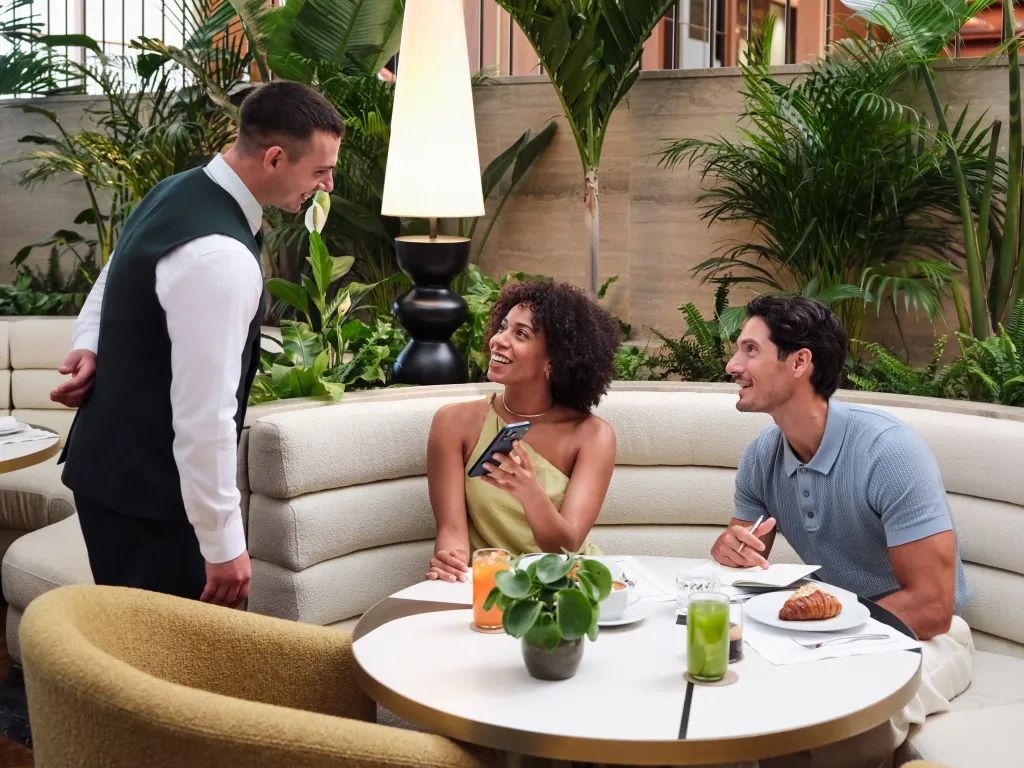
This is another area where two apparently conflicting urges are at play. Travellers are increasingly using artificial intelligence (AI) to help plan their travel itineraries, but in a world of bot-generated recommendations, Hilton found that trust in a human source of wisdom can be a gamechanger.
Those seen as trustworthy human sources seem old-school choices. One in five non-parents trust their mother more than anyone else for travel advice, while 70% of travellers trusting hotel staff, and 50% say they place weight on the knowledge of people who possess “loyalty status” with travel firms. In fact, competing with their friends for better loyalty status is a driver for 29% of travellers.
Growth getaways
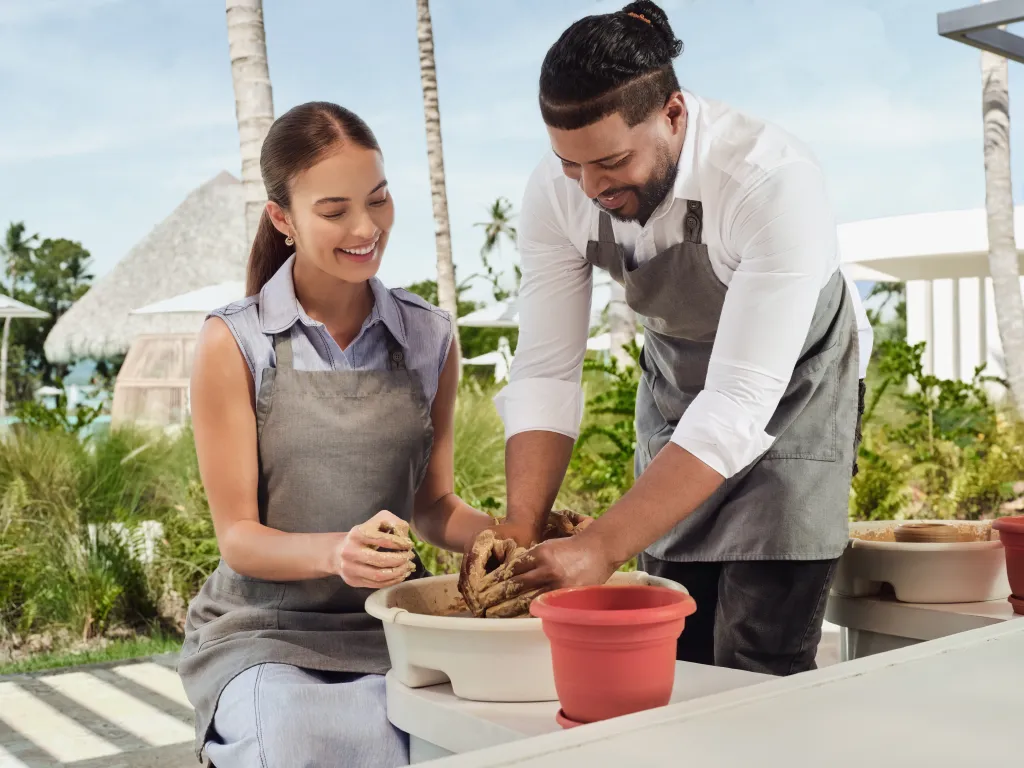
Travel is increasingly viewed as a “catalyst for personal growth,” Hilton says. More than three-quarters (76%) of travellers told the survey that just having a trip booked gives them a sense of purpose, while 42% said travel helped them” discover new interests or passions” – with Gen Z twice as likely as Baby Boomers to want to pursue a hobby through their holiday and beyond. “This year’s report reinforces that people are looking for experiences that fit their lives, help them recharge, and create meaning that lasts long after they’ve returned home,” Nassetta explained.
Wellness, rewired
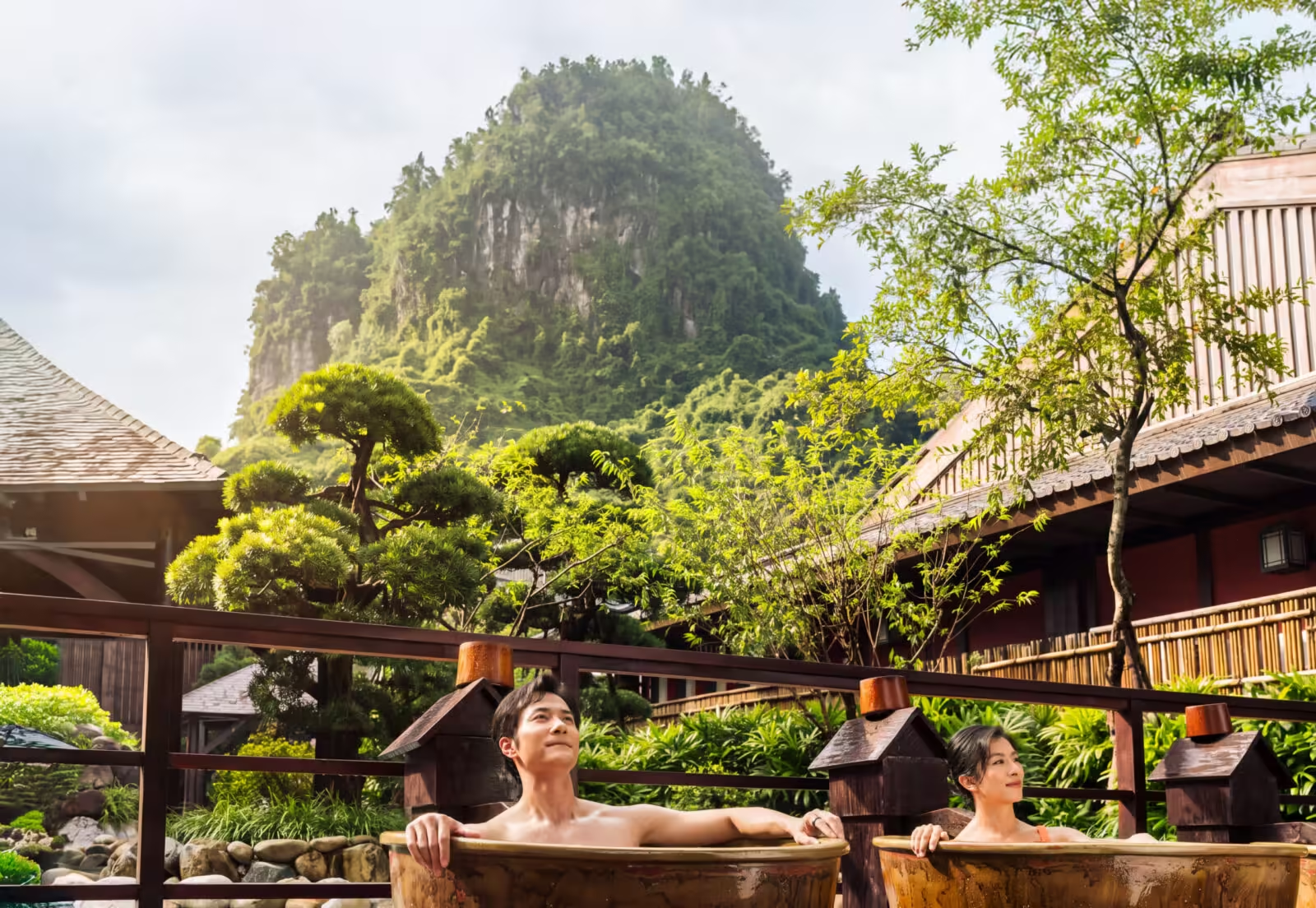
That desire to recharge is evident in travellers’ approach to wellness. Nearly two-thirds (65%) of respondents said they were actively seeking experiences to calm their bodies and reset their nervous systems, and 76% said being away helps them recharge mentally and physically in ways they cannot easily achieve at home.
For 79%, fresh air and the outdoors play an important role, and 54% say they spend more time in nature when travelling than they do in everyday life.
Source: traveltomorrow.com