



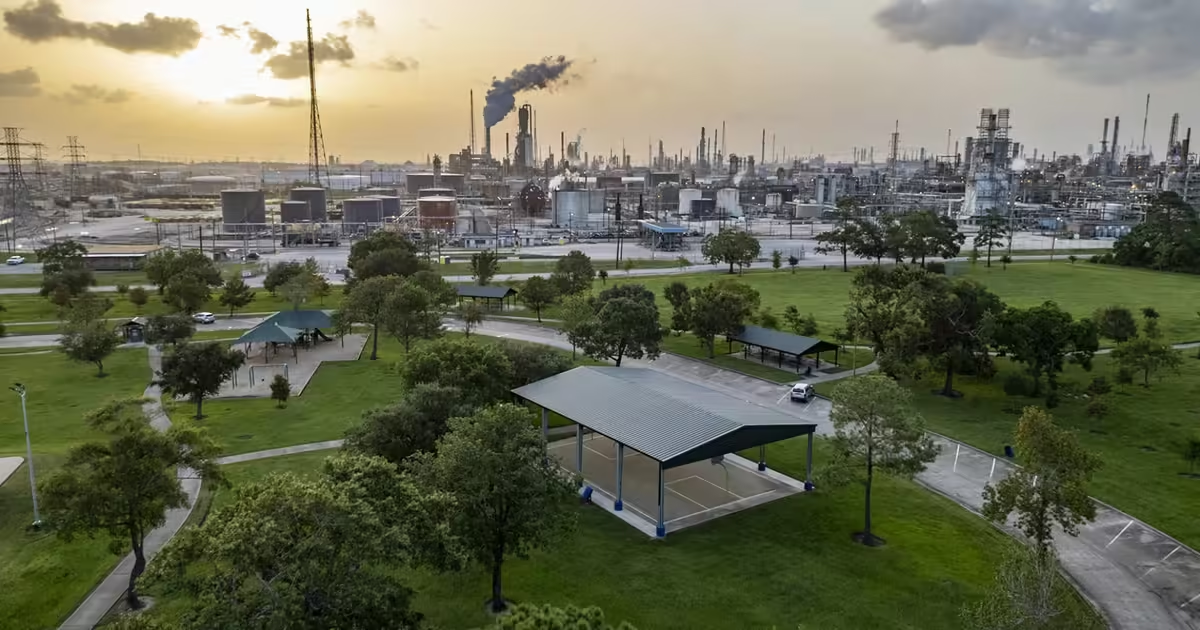

But 70 petrochemical facilities in 17 states have gotten a two-year pass on complying with the tighter regulations. After that, the fate of the regulations is uncertain because the EPA plans to retool them.
The Occidental Chemical Corp in Wichita, Kansas, the Phillips 66 Wood River Manufacturing Complex in Roxana, Illinois, and Trinseo’s chemical factory in Midland, Michigan, are a few examples of sites that received flexibility.
Half of the 70 plants are clustered along the Gulf Coast, such as in Houston and an area of southeastern Louisiana known as Cancer Alley after the toll that dense industry has taken on its residents.
In Houston, the grassroots group TEJAS is one plaintiff in a lawsuit over these exemptions. It says the Biden-era changes would have helped neighbors protect themselves from breathing unsafe toxins.
“It would have included the fenceline monitoring,” Hidalgo said, “which is something very important for frontline, fenceline communities.”
The rule requires chemical manufacturers to monitor for six air pollutants at the edge of their properties. The EPA would publish the data to its website and manufacturers would be required to make repairs and improvements if a facility overstepped emissions limits.
The Trump administration is defending the exemptions of petrochemical and other rules against multiple lawsuits.
It says the Biden-era decision to cut down on airborne toxic metal emissions, for example, left corporations navigating an uncertain regulatory landscape, with implications for coal plants in North Dakota, Illinois, Missouri, Texas and other states. And it argues those plants have already made strides in reducing emissions of mercury and other toxic air pollutants.
Ameren Missouri, one of the companies that received flexibility related to toxic metals, wrote in its application for the waivers that it would “avoid forcing Ameren to make commitments to very costly and cost-ineffective control retrofits that will produce little benefits” at its Labadie Energy Center and the Sioux Energy Center in West Alton, Missouri.
Otherwise, the company said it would struggle to meet the 2027 deadline for complying with tighter emissions, which “could jeopardize national security interests by risking the reliability of the St. Louis, Missouri, electric grid and increasing energy costs for our customers.”
Ameren Missouri also said it would be challenging to design, acquire and install the necessary upgrades for the tighter emissions standard. Shutting down plant units for the installation would also cut into power generation, it said, adding that its plants serve a region that includes military facilities and national defense suppliers.
“The Labadie and Sioux energy centers are critical to maintaining reliability, especially during periods of extreme weather when energy demand is highest,” Giesmann said in the company’s email to Harvest Public Media.
Source: nebraskapublicmedia.org