For as long as humanity has looked up at the stars, we have wondered whether someone, somewhere, might be looking back.
In the second century CE, the Greek writer Lucian imagined a fantastical voyage to a Moon inhabited by strange civilisations.
Many centuries later, HG Wells’s The War of the Worlds turned aliens into terrifying invaders, Spielberg’s ET made us love our alien refugees, and Starship Troopers tested our ability to detect political satire.
These stories differ greatly in tone and imagination, but they all reveal something profound about ourselves.
Long before we possessed telescopes capable of discovering planets around distant stars, humanity was captivated by the possibility that we might not be alone.
The question has echoed across philosophy, literature and science for thousands of years. Today, modern astronomy has made that question more compelling than ever.
We now know that the Milky Way alone contains hundreds of billions of stars, many orbited by planets.
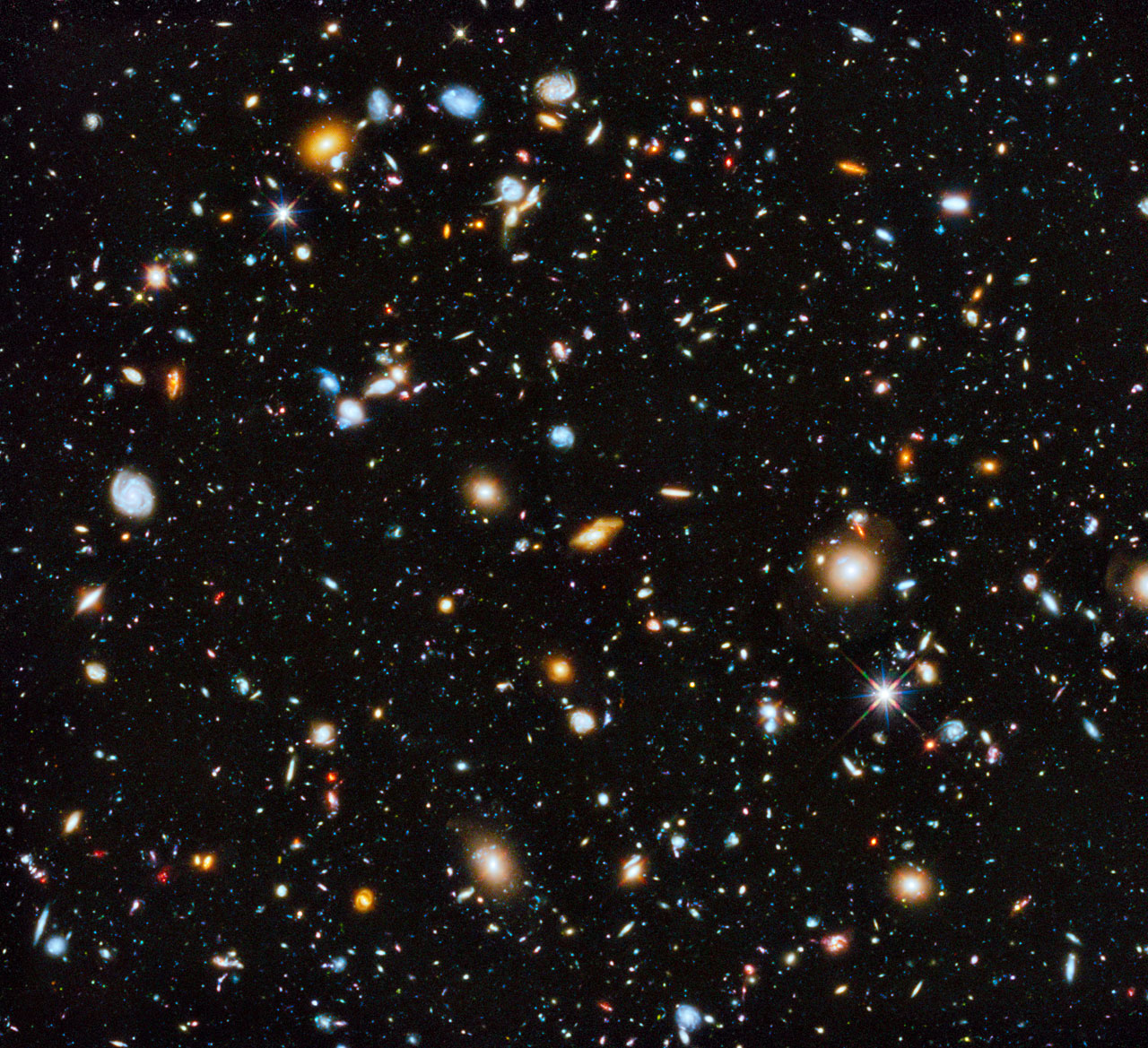
Across the observable Universe lie hundreds of billions of galaxies, each home to countless more worlds. The sheer arithmetic seems irresistible.
Surely, somewhere among these almost unimaginable numbers, another technological civilisation must exist?
Yet after decades of searching, we have found precisely nothing.
No unmistakable radio transmissions. No alien spacecraft. No colossal engineering projects encircling distant stars
The deeper we peer into the cosmos, the quieter it seems to become.
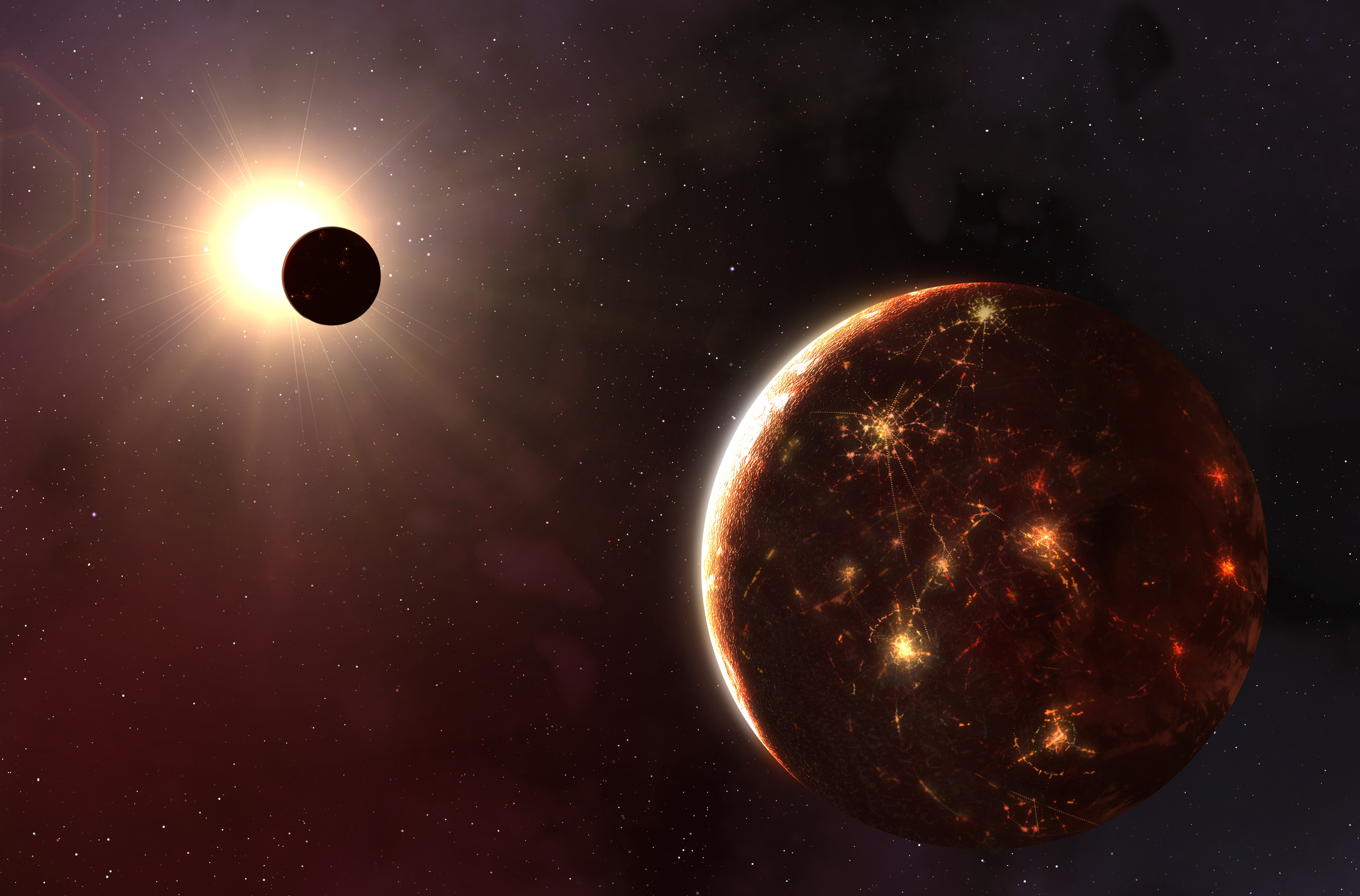
What are the odds of alien life?
But perhaps that silence is not mysterious at all. Perhaps the chain of events that produced intelligent life on Earth was so astonishingly improbable that it has happened nowhere else.
Or perhaps it has happened, but only so rarely that other civilisations are separated from us by millions of lightyears, or simply by millions of actual years – making any encounter impossible.
It is a sobering thought, but one that a growing number of scientists regard as entirely plausible.
Earth often appears ordinary because it is the only home we have ever known. Viewed through the eyes of planetary science, however, it begins to look increasingly exceptional.
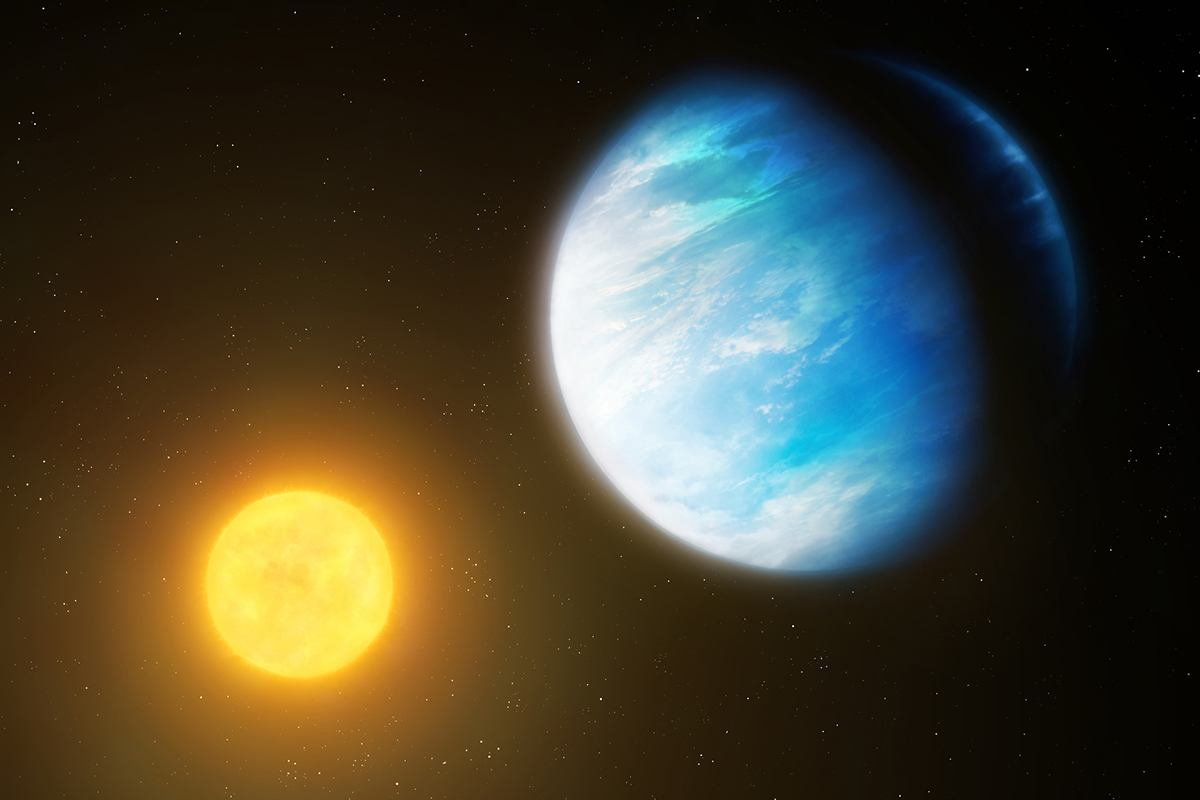
Our planet orbits within the Sun’s habitable zone, where temperatures have allowed liquid water to remain stable for billions of years.
Water is the universal solvent of terrestrial biology, enabling the intricate chemistry from which every known organism is built.
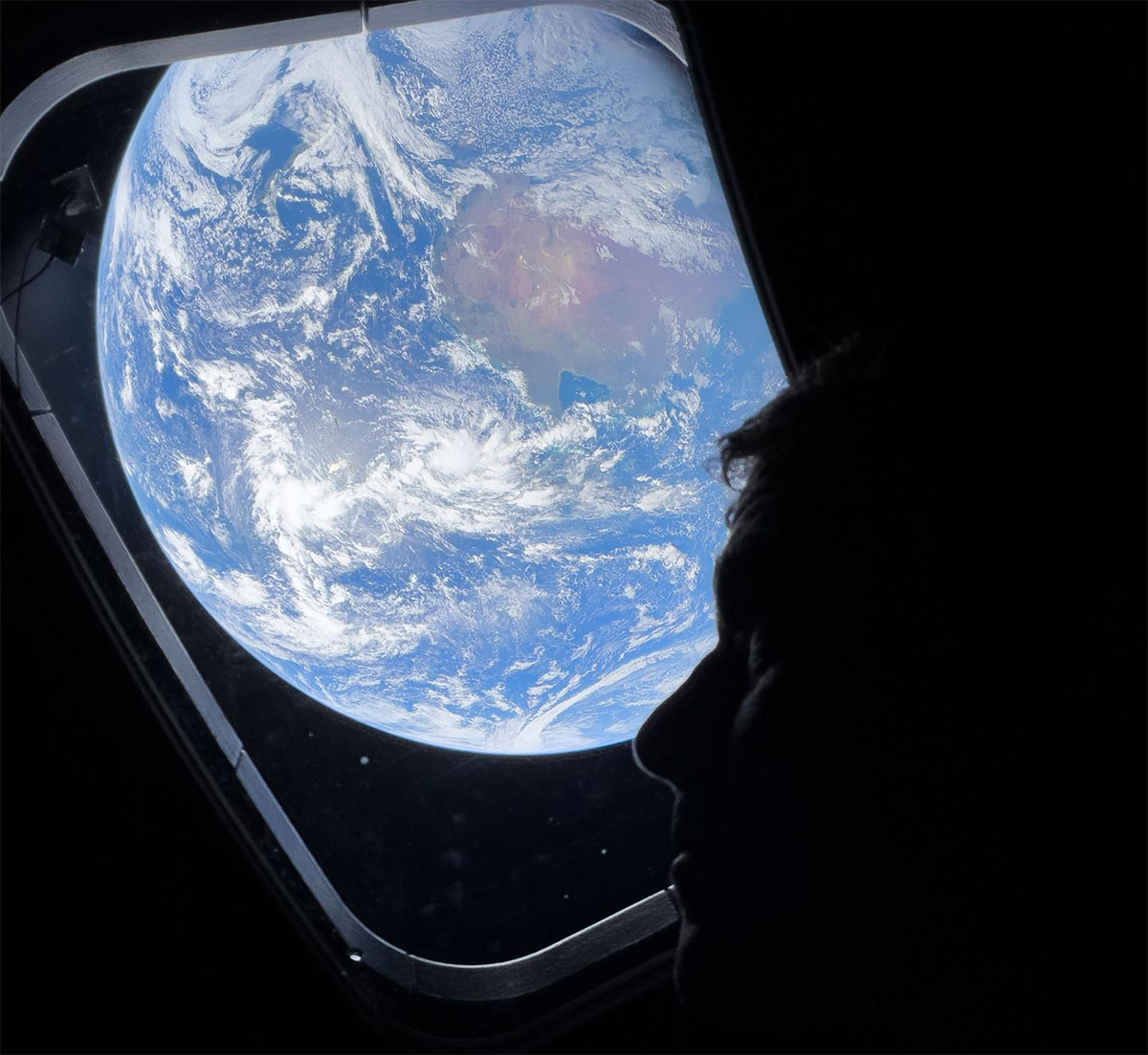
Shift Earth slightly closer to the Sun and its oceans might have evaporated in a runaway greenhouse catastrophe. Move it slightly farther away and they may have frozen beneath permanent ice.
Even this remarkable balance was not enough. Earth is accompanied by an unusually large moon, whose gravitational influence quietly stabilises our planet’s axial tilt.
Without it, Earth’s orientation could have wandered chaotically over geological timescales, triggering violent climatic swings that might repeatedly have interrupted the long, evolutionary journey from microbes to mammals.
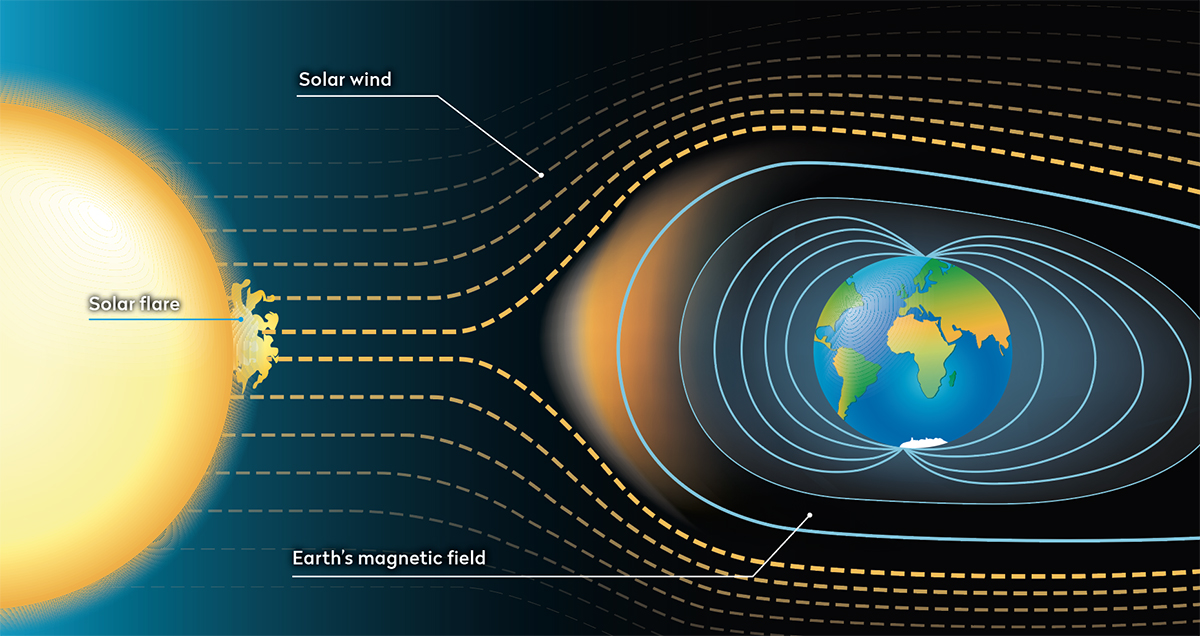
Hidden beneath our feet lies another silent guardian. Deep within Earth’s molten iron core, powerful currents generate a magnetic field that envelops the planet like an invisible shield.
This deflects much of the charged radiation streaming from the Sun and prevents our atmosphere from being slowly stripped away by the solar wind.
Mars almost certainly once possessed rivers and lakes, yet after losing its magnetic field it gradually surrendered its surface water and much of its atmosphere to space, leaving behind the frozen desert we see today.
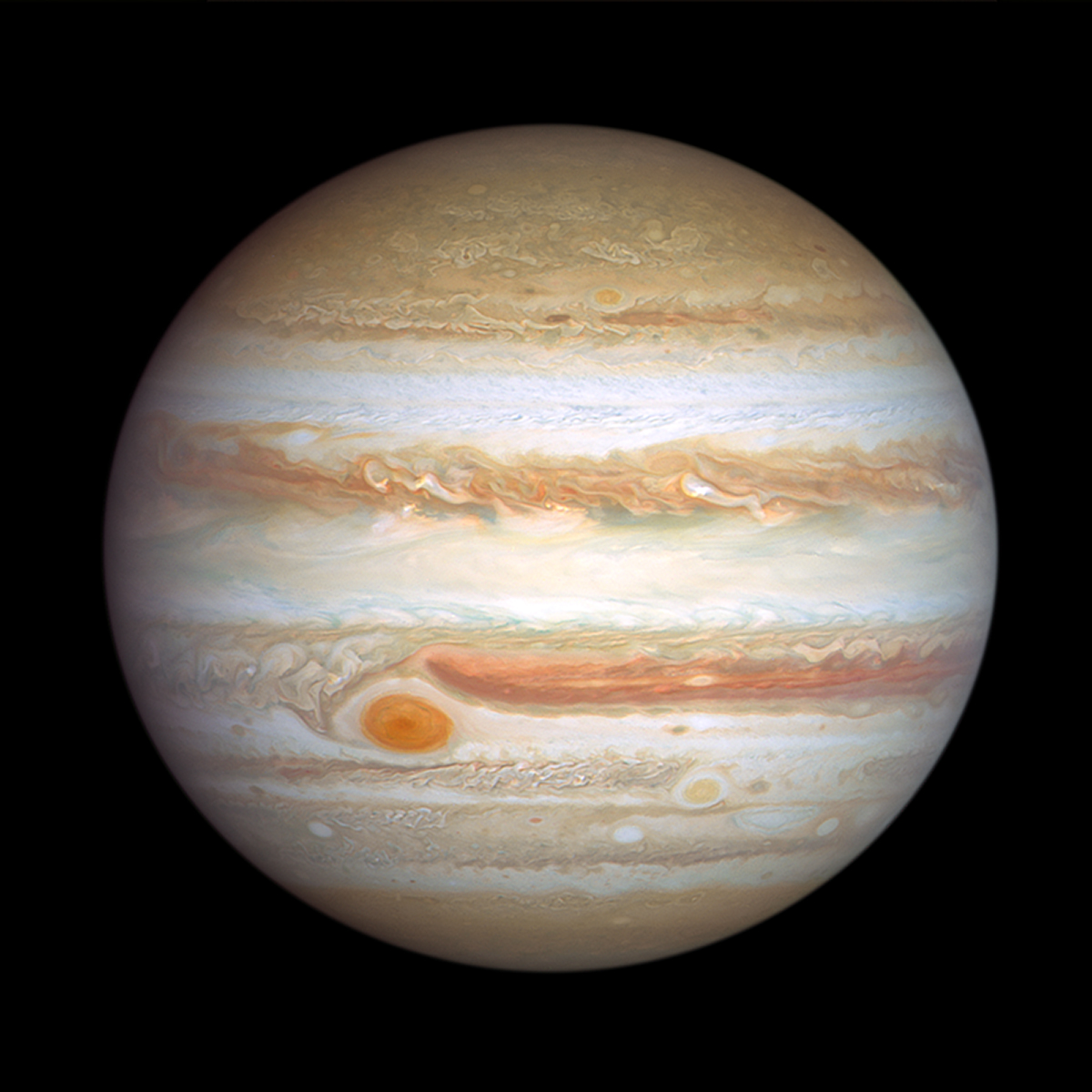
Even the wider architecture of our Solar System may have played a role. Jupiter’s immense gravity acts as a celestial gatekeeper, altering the trajectories of countless comets and asteroids that might otherwise threaten the inner planets.
It does not eliminate impacts entirely, but it may significantly reduce their frequency.
None of these circumstances alone guarantees intelligent life.
Together, however, they begin to resemble a sequence of fortunate coincidences so remarkable that they may be exceptionally rare in the Universe.
The origin of life
Then comes perhaps the greatest mystery of all. How does life begin?
Despite decades of painstaking research, scientists still cannot explain precisely how non-living chemistry crossed the threshold into biology.
We know astonishingly little about the moment when the first self-replicating molecules emerged from the primordial chemistry of the young Earth.
What is particularly striking is that every living organism ever discovered belongs, essentially, to the same biological family.
From bacteria thriving around hydrothermal vents to giant sequoias, blue whales and human beings, all life shares the same genetic code, the same DNA and the same fundamental molecular machinery.
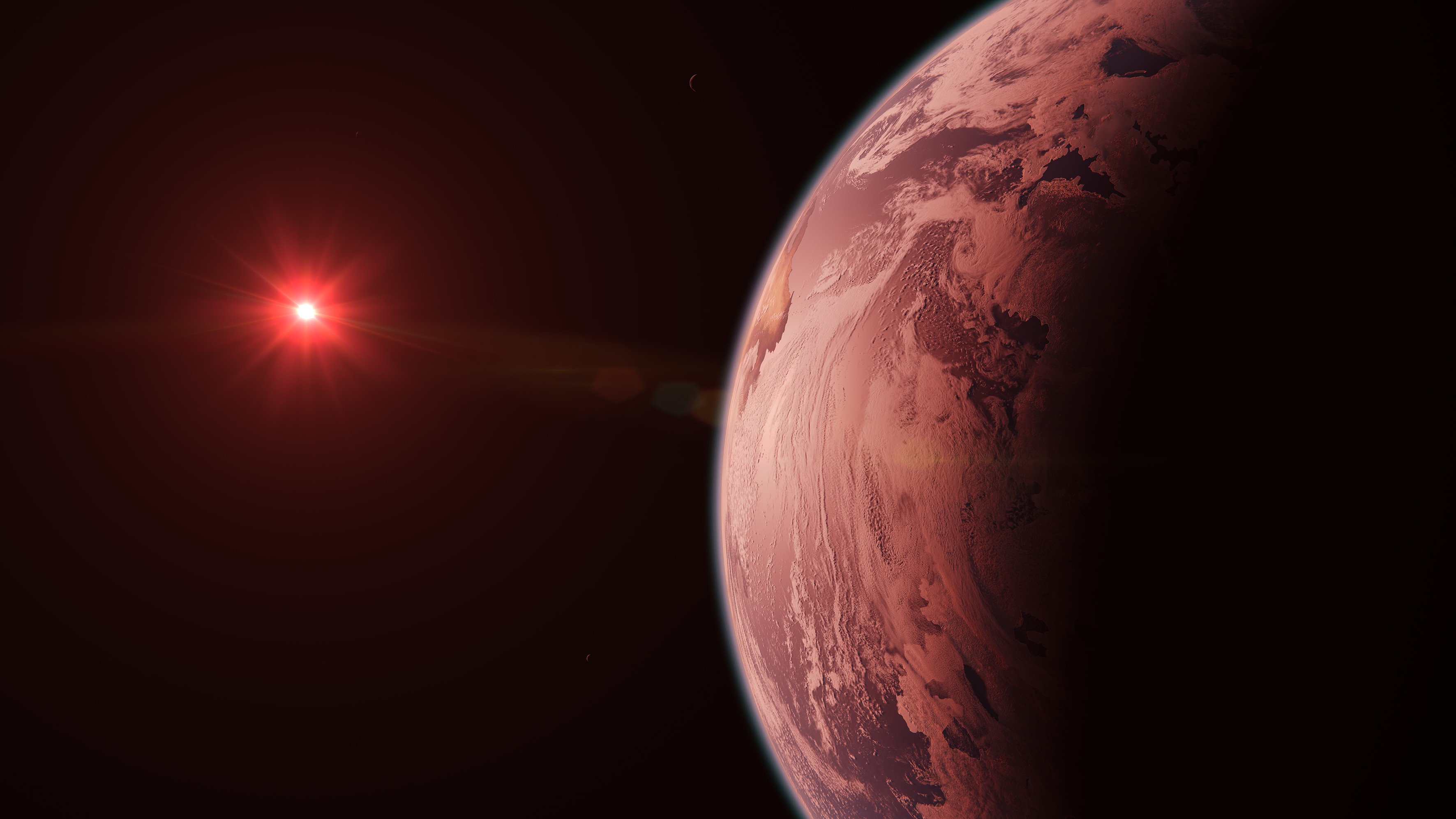
Every creature on Earth traces its ancestry back to a single common ancestor that lived billions of years ago.
That is extraordinary. If life emerged easily whenever conditions allowed, we might expect it to have arisen independently several times on Earth, producing entirely different forms of biology.
Yet every organism belongs to the same vast family tree.
Perhaps life did not emerge repeatedly because it could not. Perhaps it was an event of such staggering improbability that it happened only once, even on a planet that remained habitable for billions of years.
If that is true, countless Earth-like planets throughout the cosmos may simply be beautiful, empty worlds where life never gained its first foothold.
The origin of intelligence
Even after life appeared, intelligence remained anything but inevitable.
For nearly three billion years, Earth belonged exclusively to microscopic organisms.
Complex animals emerged comparatively late, and for around 165 million years dinosaurs dominated almost every ecosystem on land.
The dinosaurs were astonishingly successful. They adapted, diversified and flourished across an extraordinary range of environments.
Yet they never built telescopes. They never invented mathematics.
And none of them, as far as we know, ever looked up at the stars and wondered who else might be out there.
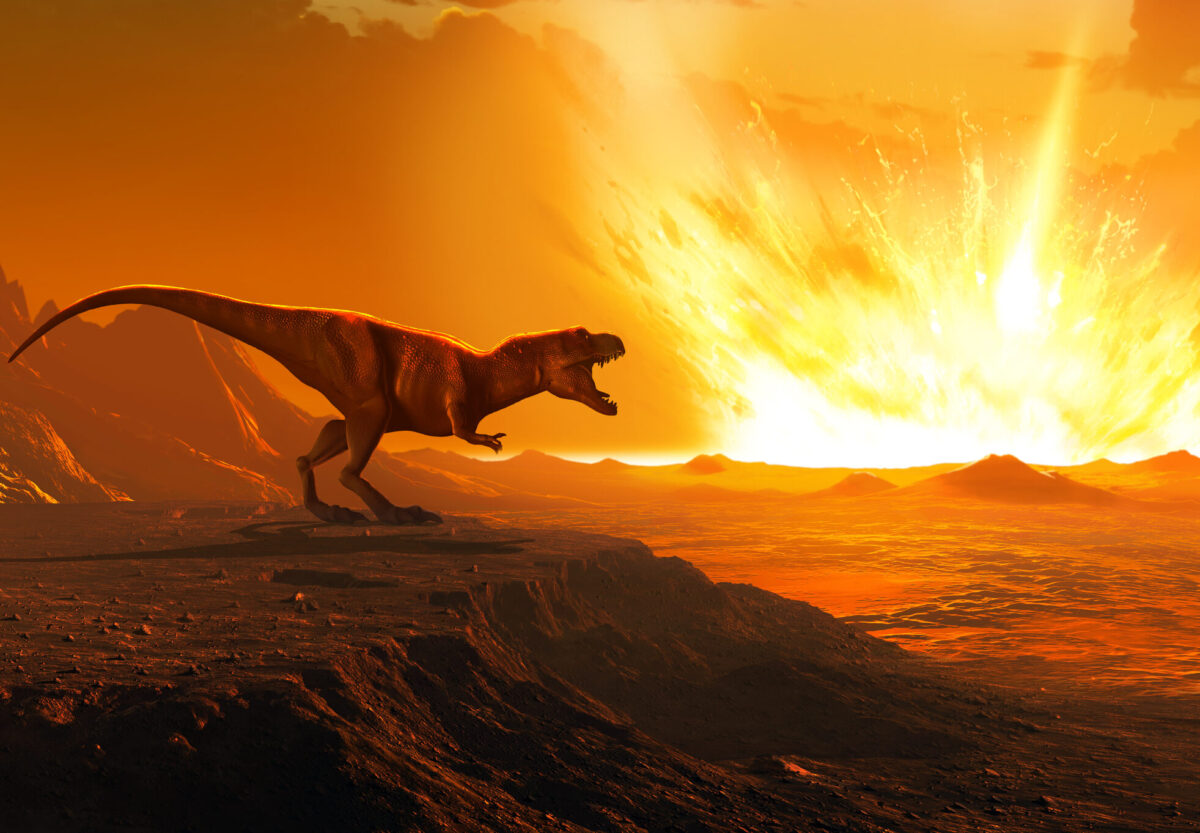
Their story ended abruptly some 65 million years ago, when an asteroid roughly 10km (6.2 miles) across struck near present-day Mexico.
The impact unleashed unimaginable destruction.
Firestorms raged across continents, tsunamis swept across oceans and dust veiled the Sun, collapsing ecosystems around the globe.
Around three-quarters of all species vanished. For the dinosaurs, it was apocalypse; for mammals, it was opportunity.
The tiny mammals that had spent millions of years living in the shadows suddenly inherited a transformed world.
Freed from overwhelming competition, they diversified into every available ecological niche.
Over tens of millions of years, one lineage evolved larger brains, dexterous hands, sophisticated language and eventually the ability to ask questions about its own origins.
Without that single cosmic impact, humanity may never have existed. Sometimes history turns upon astonishingly small margins.
Even intelligence itself does not guarantee that a civilisation will ever be noticed.
Measured against Earth’s history, technological civilisation occupies scarcely more than an instant.
Life has flourished on this planet for around 3.8 billion years. Modern humans have existed for roughly 300,000 years. Agriculture appeared around 12,000 years ago.
Yet humanity has possessed radio technology capable of announcing its presence to the cosmos for only about 200 years.
Two centuries, compared with billions of years of evolution: that’s little more than the blink of an eye.
If another civilisation transmitted radio signals a million years before ours, those signals would almost certainly have faded into silence long before humans evolved.
Likewise, a civilisation that arises a million years from now will never hear our earliest broadcasts.
The Universe is separated not only by almost incomprehensible distances, but also by immense expanses of time. Perhaps civilisations simply fail to exist at the same moment.
The Fermi Paradox
This unsettling possibility lies at the heart of the famous Fermi Paradox. In 1950, physicist Enrico Fermi asked a deceptively simple question: “Where is everybody?”
Given the immense age of the Milky Way, even a civilisation travelling far slower than the speed of light could spread throughout the Galaxy in a relatively short cosmic timescale.
If intelligent life is common, evidence of its existence ought to be everywhere. Instead, we find silence.
One explanation is the Rare Earth hypothesis. Microbial life may indeed be widespread, but the astonishing sequence of events required to produce technological intelligence could be so improbable that it has occurred only once, or only a handful of times, in the Galaxy.
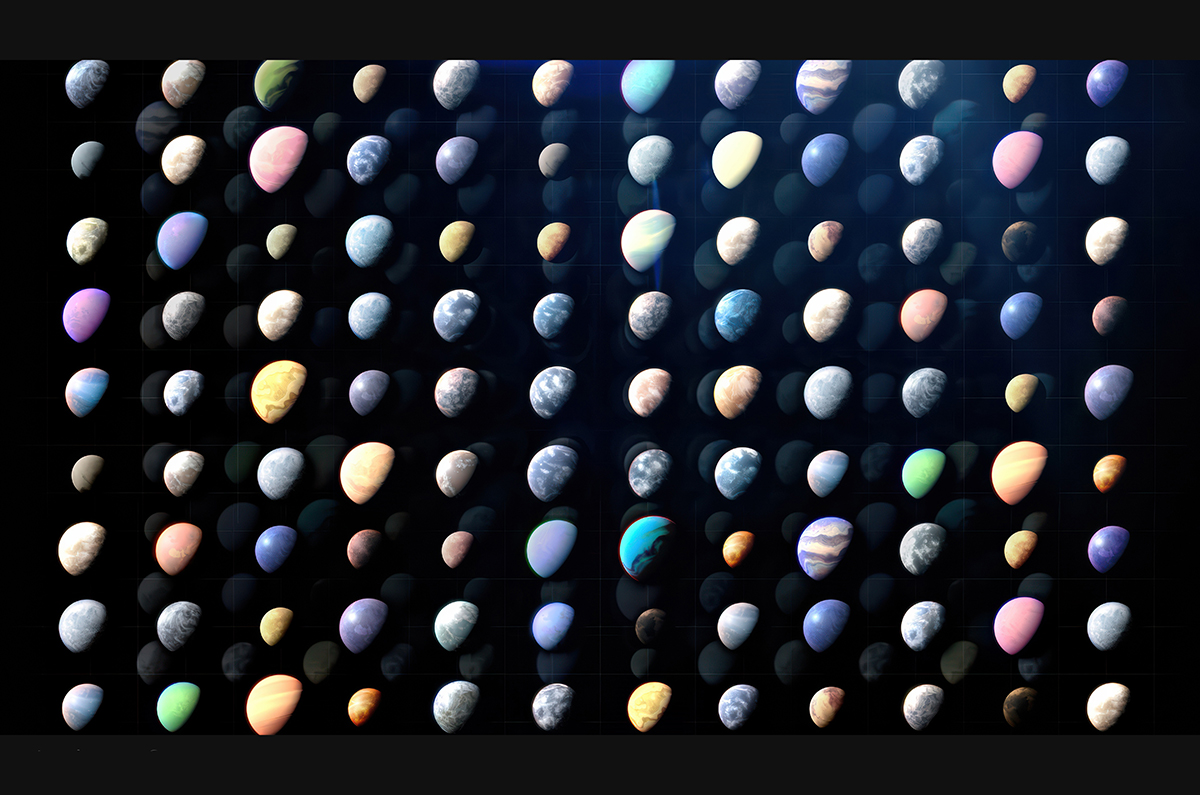
Another possibility is known as the Great Filter.
In this model, somewhere along the path from lifeless planet to spacefaring civilisation lies a barrier so formidable that almost nothing passes through it.
Perhaps life rarely begins. Perhaps complex cells almost never evolve. Perhaps intelligence is uncommon.
Or perhaps advanced civilisations routinely destroy themselves before they ever reach the stars.
The unsettling question is whether humanity has already crossed this filter, or whether our greatest test still lies ahead.
There is also the more speculative Zoo hypothesis. Perhaps advanced civilisations already know we exist but deliberately avoid contact, choosing instead to observe us from afar without interference, much as conservationists study wildlife in protected reserves.
There is no evidence for this idea, making it impossible to test scientifically, yet it remains one of the more imaginative attempts to explain the Universe’s silence.
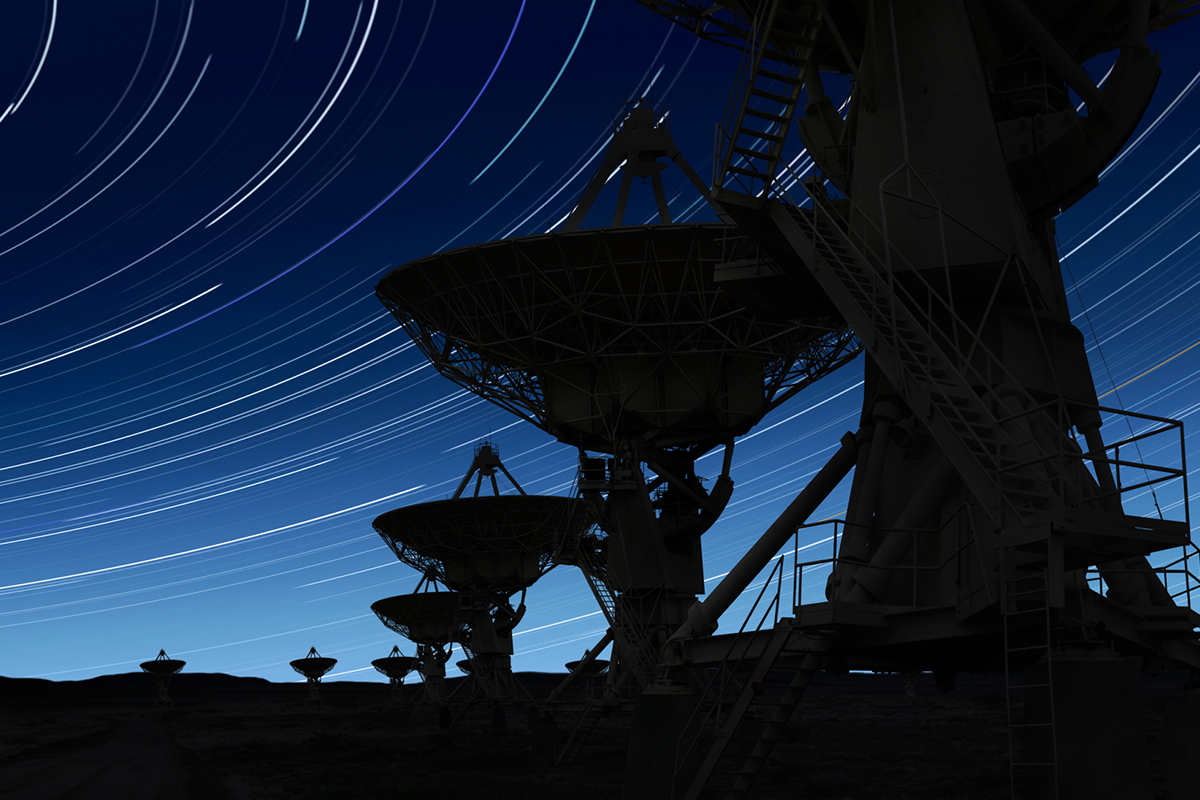
For more than 60 years, scientists involved in the Search for Extraterrestrial Intelligence, or SETI, have patiently listened for a whisper from another civilisation.
The search has become vastly more sophisticated with every passing decade. Modern radio telescopes monitor millions of stars simultaneously.
Astronomers search for laser pulses, artificial infrared signatures and evidence of immense engineering projects surrounding distant suns.
Yet despite increasingly capable instruments, every search has yielded the same answer. Nothing.
This does not prove humanity is alone. We have sampled only the tiniest fraction of an unimaginably vast Galaxy.
But each improvement in our ability to listen, coupled with the continued absence of convincing evidence, makes the silence itself increasingly difficult to ignore.
Perhaps there really is no one else speaking. Strangely enough, that may be something for which we should be grateful.
Is no contact a good thing?
The Dark Forest hypothesis imagines the Universe as an immense forest at night, where every civilisation moves cautiously through the darkness, terrified of revealing its position.
No one knows another civilisation’s intentions. Every unknown intelligence could represent a future existential threat.
In such a Universe, silence becomes the safest strategy. Broadcasting your existence may be the last mistake your civilisation ever makes.
Whether reality resembles this bleak vision is impossible to know – yet it serves as a sobering reminder that discovering intelligent aliens may not necessarily be the triumphant moment so often portrayed in fiction.
Perhaps the greatest gift the Universe has given us is anonymity.
One day, humanity may finally receive an unmistakable signal from another civilisation, forever changing our understanding of our place in the cosmos.
Or perhaps we will continue listening for centuries without hearing a single reply. If that silence endures, it may tell us something extraordinary.
The stable oceans, the protective magnetic field, the unusually large Moon, the favourable climate, the singular origin of life, the asteroid that ended the reign of the dinosaurs, and billions of years of uninterrupted evolution may together represent one of the rarest chains of events in the history of the universe.
If so, intelligent life is not an inevitable consequence of suitable conditions. It is an astonishing accident.
And in a cosmos filled with more worlds than the human mind can truly comprehend, the rarest phenomenon of all may not be stars, planets, or galaxies, but a small blue world that evolved beings capable of wondering whether they are alone.
What are your thoughts on the prospect of alien life? Let us know by emailing [email protected]
Source: www.skyatnightmagazine.com