




by Rose Hoban, North Carolina Health News
October 19, 2026
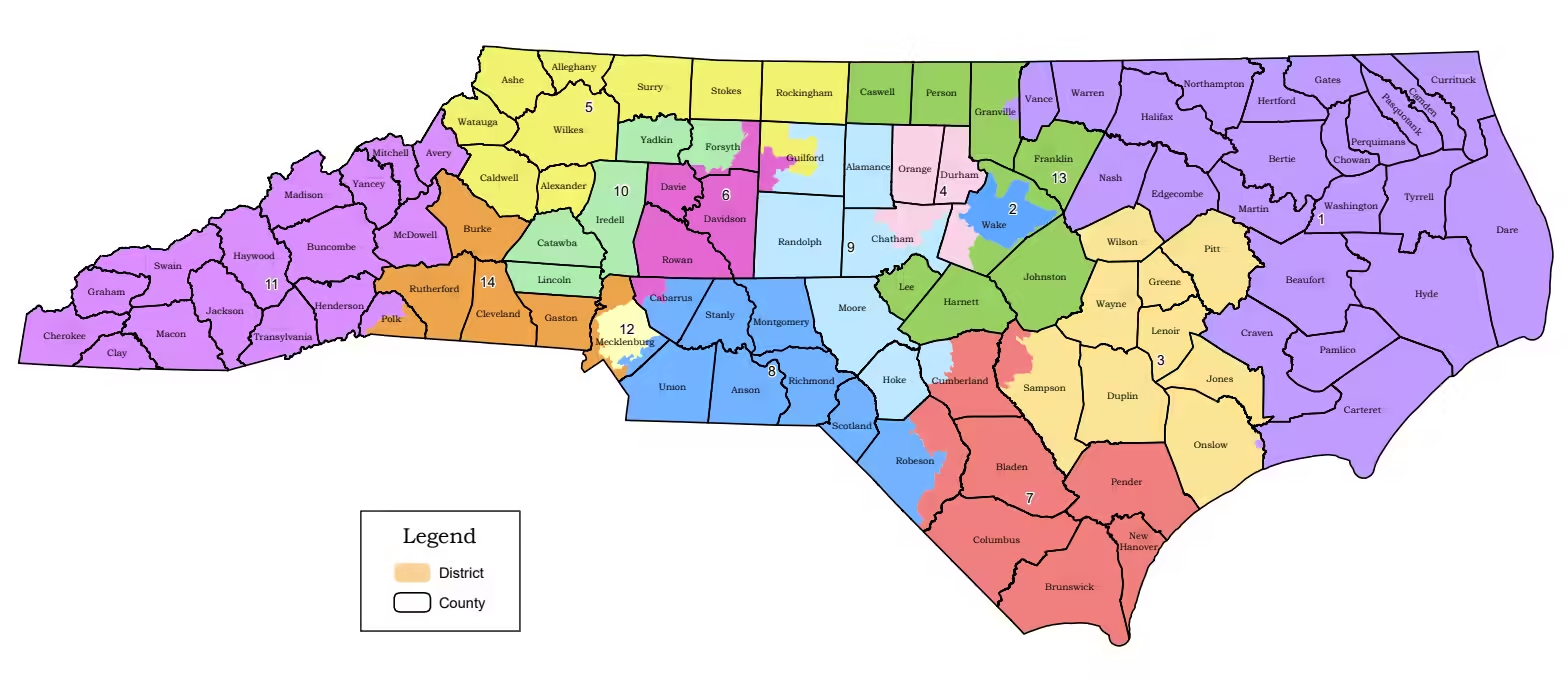
LaKesha Womack is founder of Womack Consulting Group, where she has spent more than 20 years helping small businesses, nonprofits, faith-based organizations and community leaders develop strategic plans and build sustainable organizations. She also serves as chief strategy officer for ASPIRE Community Capital, an emerging community development financial institution focused on expanding economic opportunity for undercapitalized entrepreneurs. Womack lives in Charlotte.
Candidate Q&A
NC Health News reached out multiple times by email and social media but did not receive a response. To provide readers with information about her positions, we reviewed her campaign website and searched online and social media for public statements relevant to our questions.
What do you see as the biggest financial and administrative challenge to implementing the work requirements for Medicaid that were included in the One Big Beautiful Bill?
NC Health News could not find anything in the public record on this topic.
What would be your plan for ensuring the future security and strength of Social Security and Medicare?
In an August interview with PBS NC’s State Lines, Womack said she would support raising the income cap on Social Security. She argued that someone earning $140,000 should not pay the same amount into Social Security as someone earning $2 million. She said she would research how to raise the cap to bring more money into the program to help ensure that benefits remain available to people who have paid into the system throughout their working lives.
Womack said in the same interview that she supports “Medicare For All,” but views it as a “long-term strategy” because “there is an entire health care industry that we have to revamp” in order to bring universal health care to every American. She acknowledged that more research needs to happen to understand the best way to implement such a system.
What would you support in Congress as a plan to help control health care and pharmaceutical costs?
On her campaign website, Womack says, “Health care is a basic necessity, not a privilege. No family should face financial ruin because they get sick.”
Her website said she would protect and strengthen the Affordable Care Act, support caps on out-of-pocket and prescription drug costs, fight for full funding of rural hospitals and community health centers and oppose policies that shift health care costs onto working families.
To strengthen the Affordable Care Act, Womack told PBS NC she supports increasing subsidies to lower health insurance premiums. “I am a single mom and a business owner, and I pay close to $1,000 a month in my healthcare premiums for me and my son,” she said. “For a lot of people, that’s just not sustainable. I’ve had people come to me and say that their health insurance premiums tripled this year because of the subsidies not being renewed.”
What steps would you take to improve access to health care in rural areas? How do we make the Rural Health Transformation Program successful in North Carolina?
On her campaign website, Womack says, “Rural communities deserve the same access to opportunity as urban centers, including health care, broadband, and economic development. Young people should not feel like they have to leave home or cannot return to their communities because of a lack of opportunity.”
Her website says she would push to expand rural broadband access, protect funding for rural hospitals and infrastructure and support rural entrepreneurship and workforce initiatives.
NC Health News could not find anything specific Womack has said about the Rural Health Transformation Program.
The rollout of AI is moving fast, including in health care, and leaders in that space are calling for things to slow down. What federal moves should be taken to regulate it, if at all?
NC Health News did not find any information on Womack’s stance on AI in health care.
Where do you stand on federal vaccine policy? What should be done to prevent future disease outbreaks?
NC Health News could not find anything in the public record on this topic.
We’ve had some high-profile food contamination outbreaks, yet the federal government is pulling back on regulation of food, air and water. What level of federal regulation do you support and why?
In a PBS NC interview, Womack said that it’s important for working families to have a healthy, safe food supply. “I know a lot of people really didn’t understand the role of the FDA, but I think now we’re starting to see how important those inspections of our food supply are, because most working families they’re not watching the news every day to see you know what’s being recalled, and they actually go to the grocery store and they trust that if they pick up a bag of lettuce, that that lettuce is going to be healthy to feed their family, and so I think that we need to make sure that you know we have a healthy food supply.”
On her campaign website, Womack said she supports strong federal oversight of the FDA and Department of Health and Human Services “so that safety, transparency, and accountability are never compromised.”
PFAS contamination is a nationwide issue; how do you address it while balancing public safety and business interests?
NC Health News could not find anything in the public record on this topic.
The building and placement of data centers have become a big issue, particularly in many rural communities. What should be the federal government’s role, if any, in how these are developed?
In a September Facebook post, Womack said she’s not opposed to data centers but is against taxpayers and communities subsidizing billion-dollar companies without a clear return on investment. She said leaders and community members should ask: “How many permanent jobs will it create? How much water and electricity will it use? Will residents pay more for utilities? What infrastructure will taxpayers be expected to provide? And what does our community receive in return?”
In Congress, she says on her website she would fight for economic development that protects taxpayers, natural resources, infrastructure and existing residents.
This <a target=”_blank” href=”https://www.northcarolinahealthnews.org/govpack_profiles/lakesha-womack/”>article</a> first appeared on <a target=”_blank” href=”https://www.northcarolinahealthnews.org”>North Carolina Health News</a> and is republished here under a <a target=”_blank” href=”https://creativecommons.org/licenses/by-nd/4.0/”>Creative Commons Attribution-NoDerivatives 4.0 International License</a>.<img src=”https://i0.wp.com/www.northcarolinahealthnews.org/wp-content/uploads/2021/10/cropped-favicon02.jpg?fit=150%2C150&ssl=1″ style=”width:1em;height:1em;margin-left:10px;”>
<img id=”republication-tracker-tool-source” src=”https://www.northcarolinahealthnews.org/?republication-pixel=true&post=70577″ style=”width:1px;height:1px;”><script> PARSELY = { autotrack: false, onload: function() { PARSELY.beacon.trackPageView({ url: “https://www.northcarolinahealthnews.org/govpack_profiles/lakesha-womack/”, urlref: window.location.href }); } } </script> <script id=”parsely-cfg” src=”//cdn.parsely.com/keys/northcarolinahealthnews.org/p.js”></script>
Source: www.northcarolinahealthnews.org