Have you ever seen a black hole? The truth is likely to be ‘yes’ and ‘no’. That’s because we can never truly ‘see’ a black hole, but instead can observe the effects of the mind-bending physics going on around these incredible cosmological objects. Put simply, a black hole is an incredibly dense object whose gravity
Have you ever seen a black hole? The truth is likely to be ‘yes’ and ‘no’.
That’s because we can never truly ‘see’ a black hole, but instead can observe the effects of the mind-bending physics going on around these incredible cosmological objects.
Put simply, a black hole is an incredibly dense object whose gravity is so intense that nothing – not even light – can escape from it.
They form when a massive star collapses under its own weight at the end of its life, crushing a huge amount of matter into an infinitely tiny point.
Because no light can escape from them, they’re effectively invisible.
And yet, the regions around a galaxy’s central supermassive black hole can be the brightest part of the whole galaxy.
Credit: Science Photo Library – MARK GARLICK / Getty Images
No light – and yet so bright
There’s a ‘point of no return’ at black holes, which is the place where the ‘escape velocity’ exceeds the speed of light. That’s known as the black hole’s event horizon.
However, even though black holes have a reputation as being the Universe’s vacuum cleaners, not everything gets ‘sucked into’ a black hole.
A black hole’s gravity is extreme, so much so that material is constantly being pulled towards it.
As this material falls inwards, some of it forms an ‘accretion disc’ of material swirling around the black hole.
That material becomes very hot, causing the accretion disc to glow at different wavelengths of light and even generating powerful jets of material that shoot away from the black hole out into space.
That material isn’t escaping from inside the black hole, but is instead escaping from the black hole’s immediate surroundings.
And that’s how astronomers are able to observe and image the presence of black holes – not directly, but by indirectly observing and imaging the effects of the black hole.
Here we’ve gathered some of the best, most amazing images of black holes, showing how their sheer power transforms their surroundings to produce scenes of cosmic chaos and serene beauty.
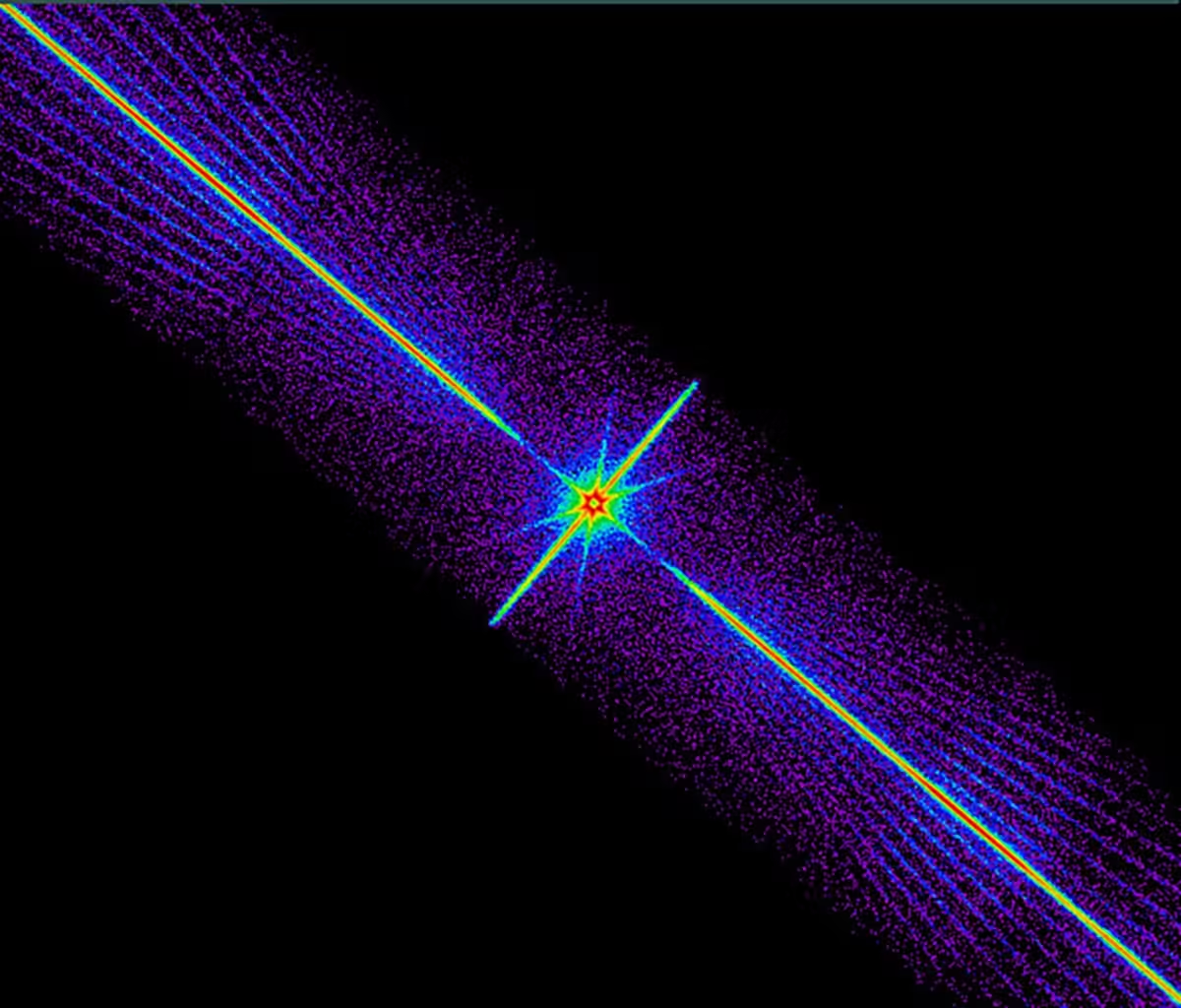
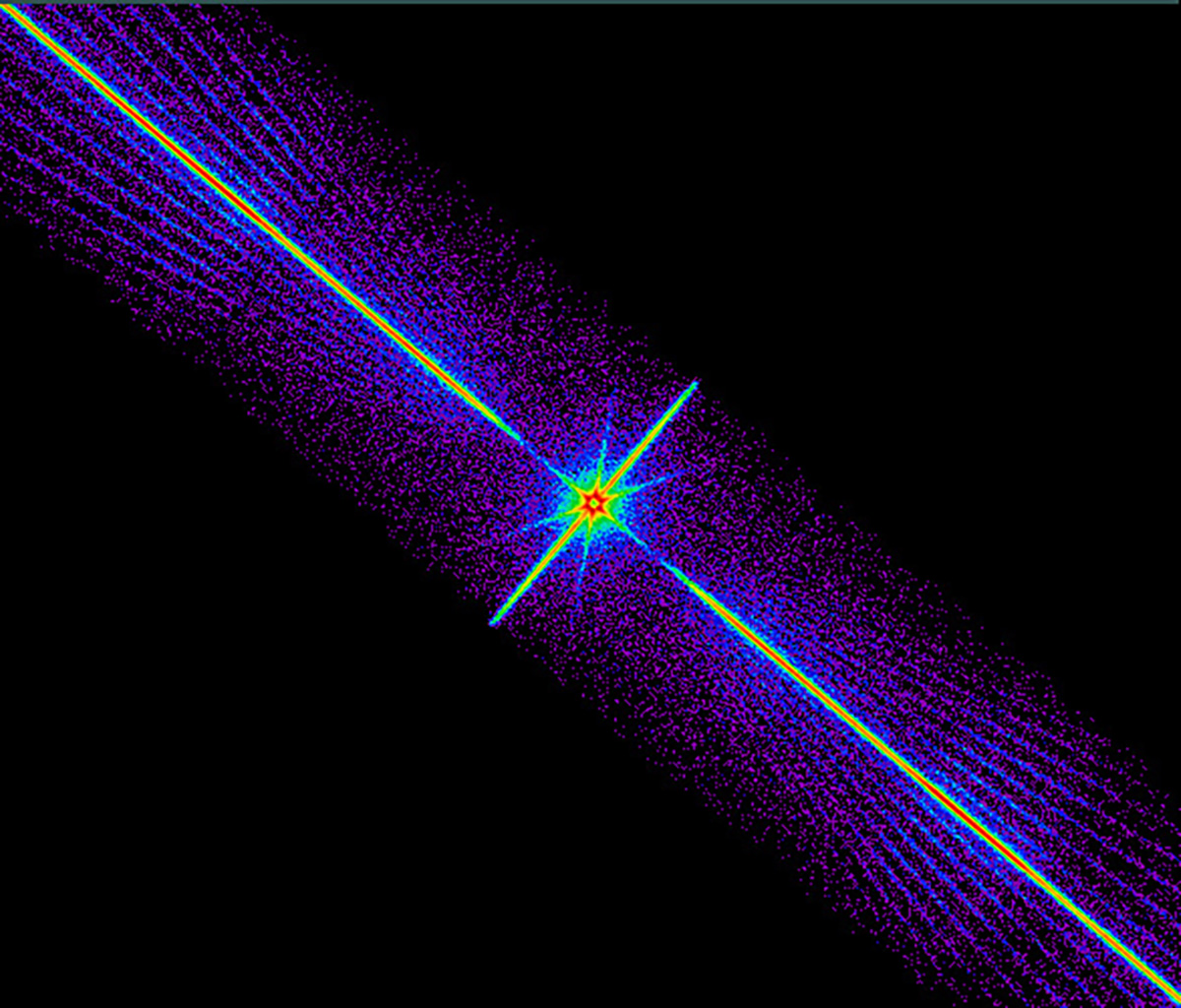
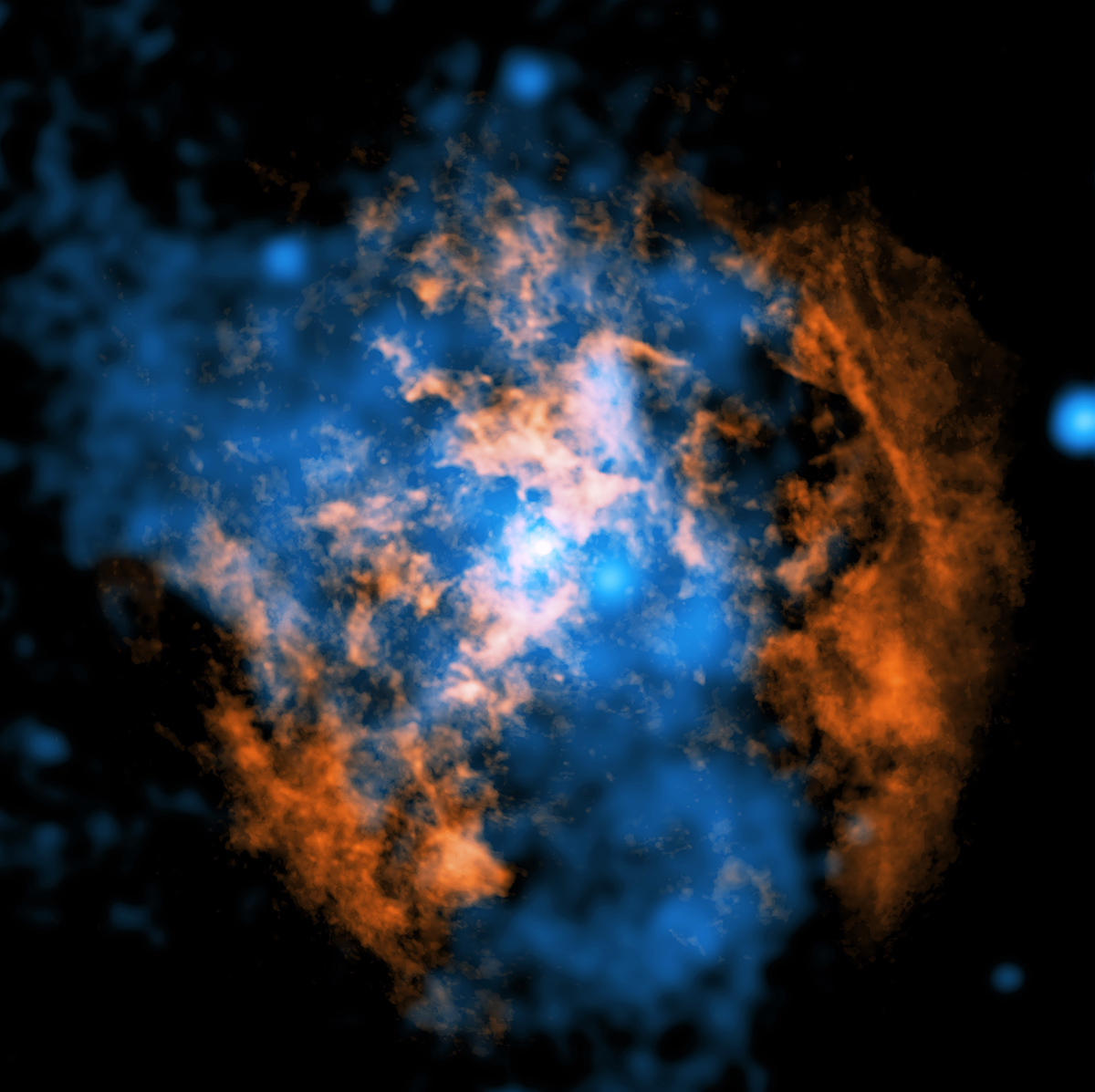
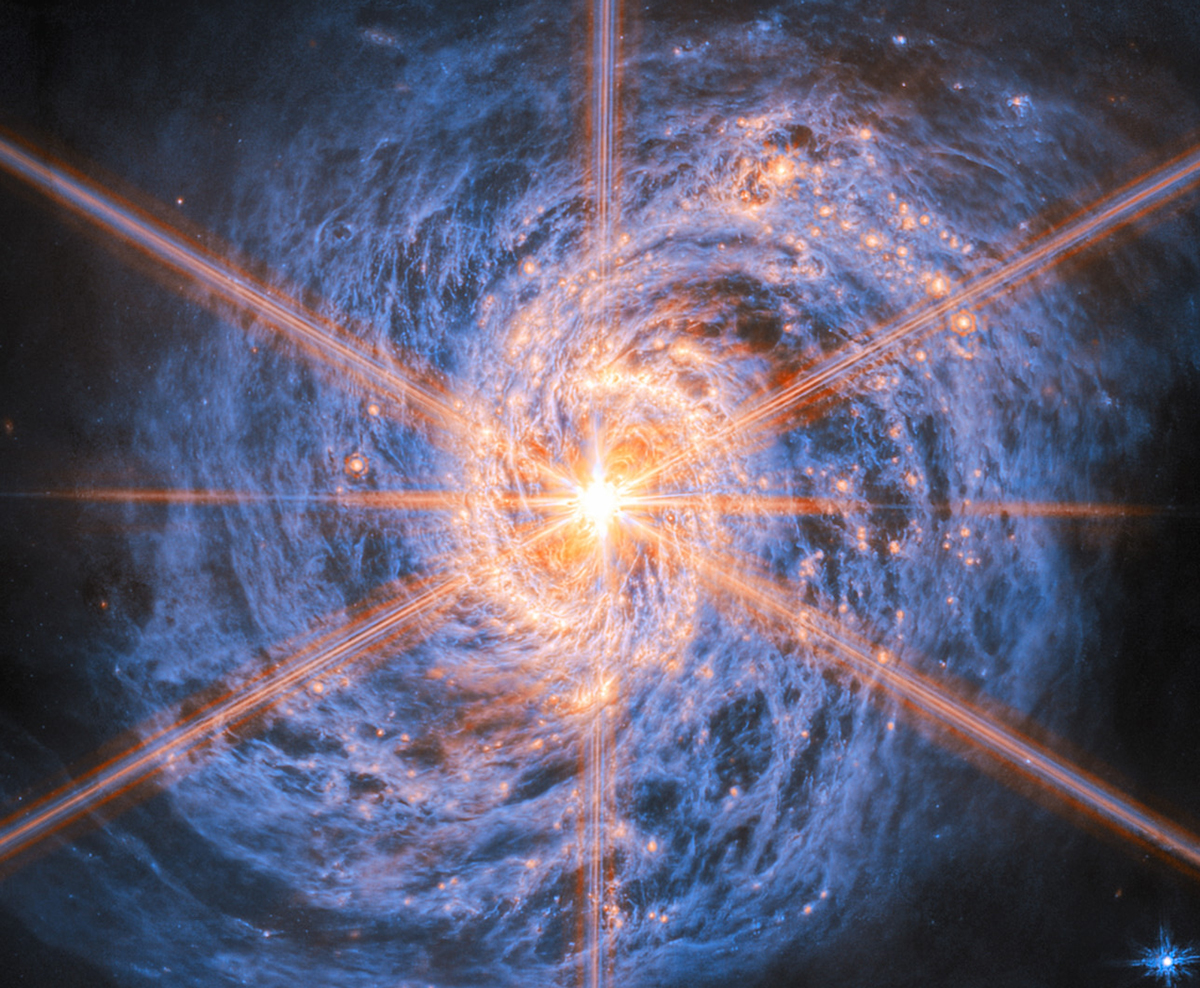
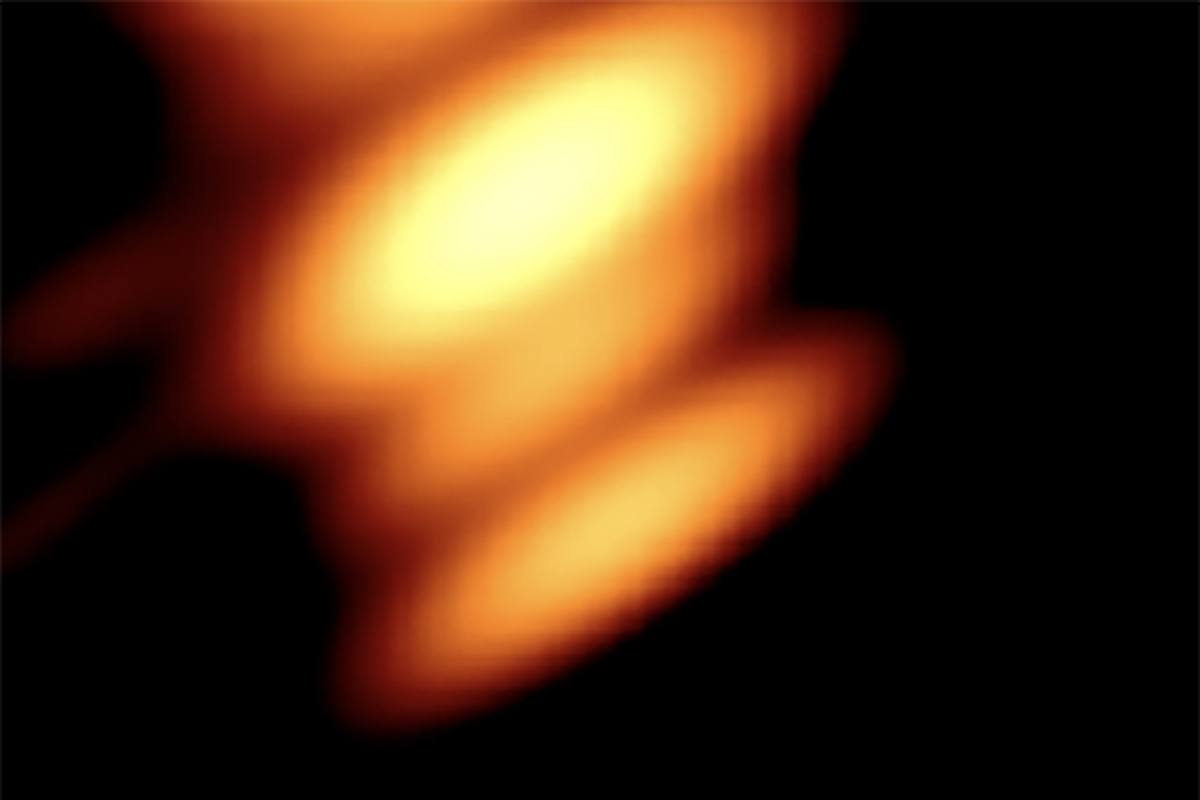
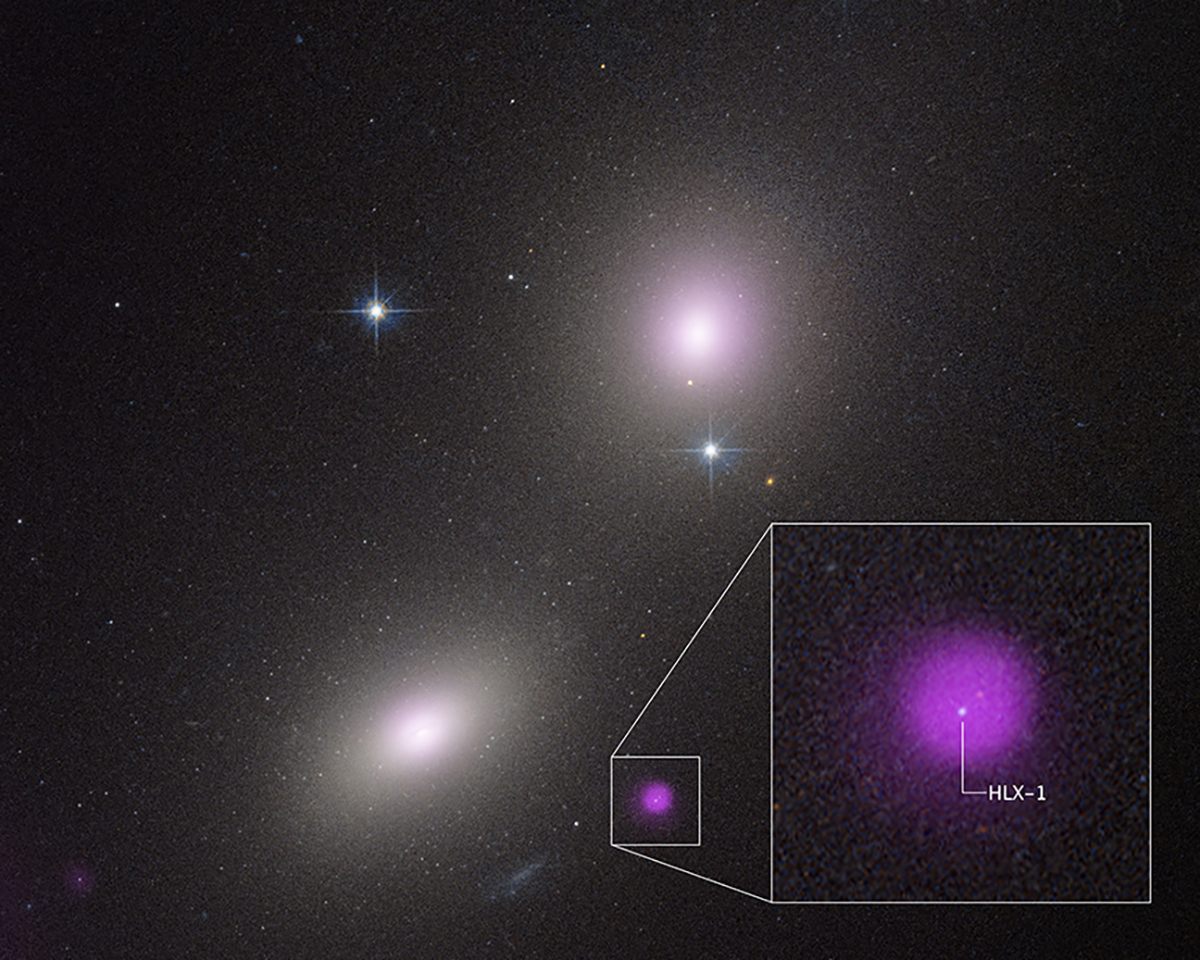
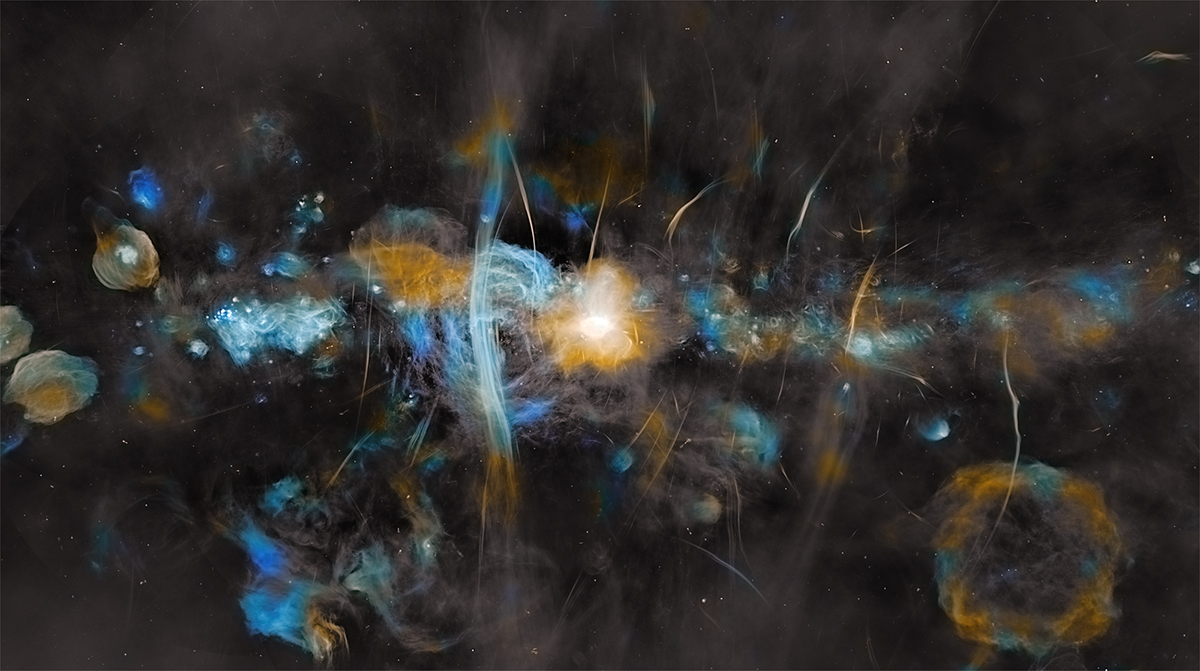
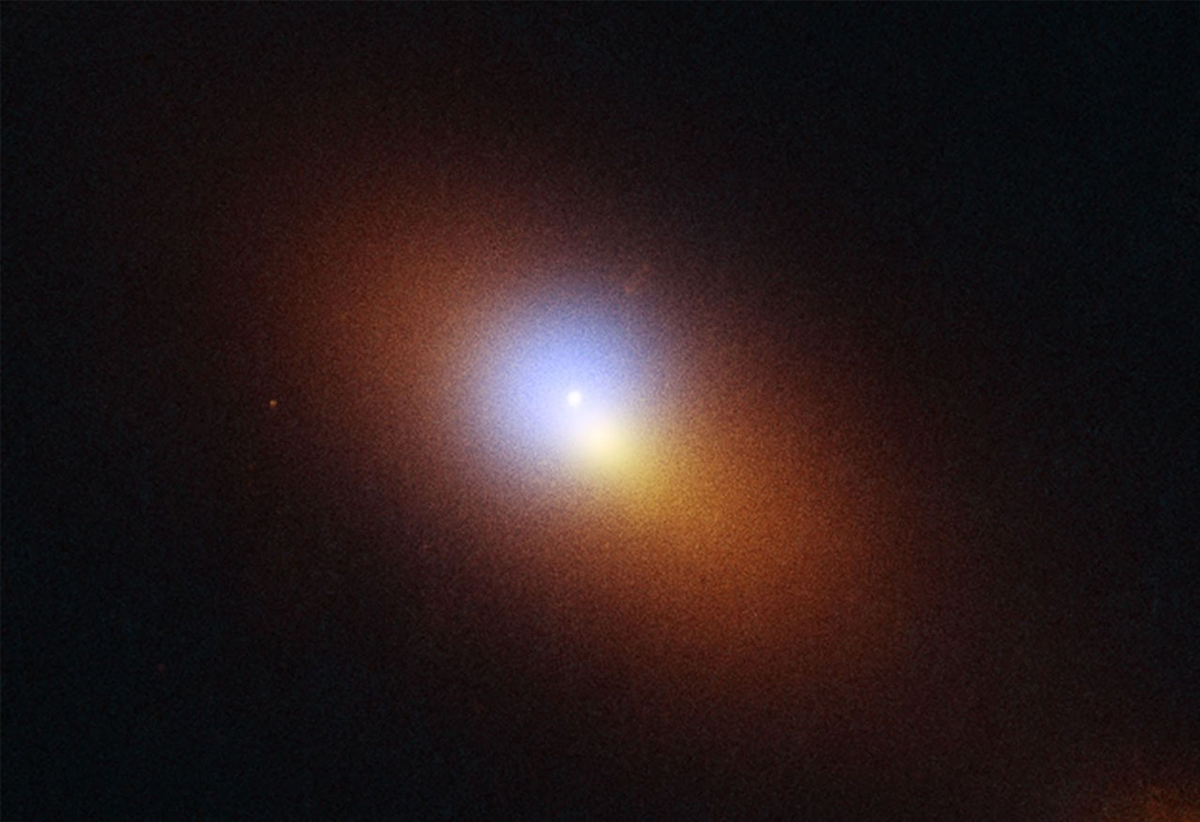
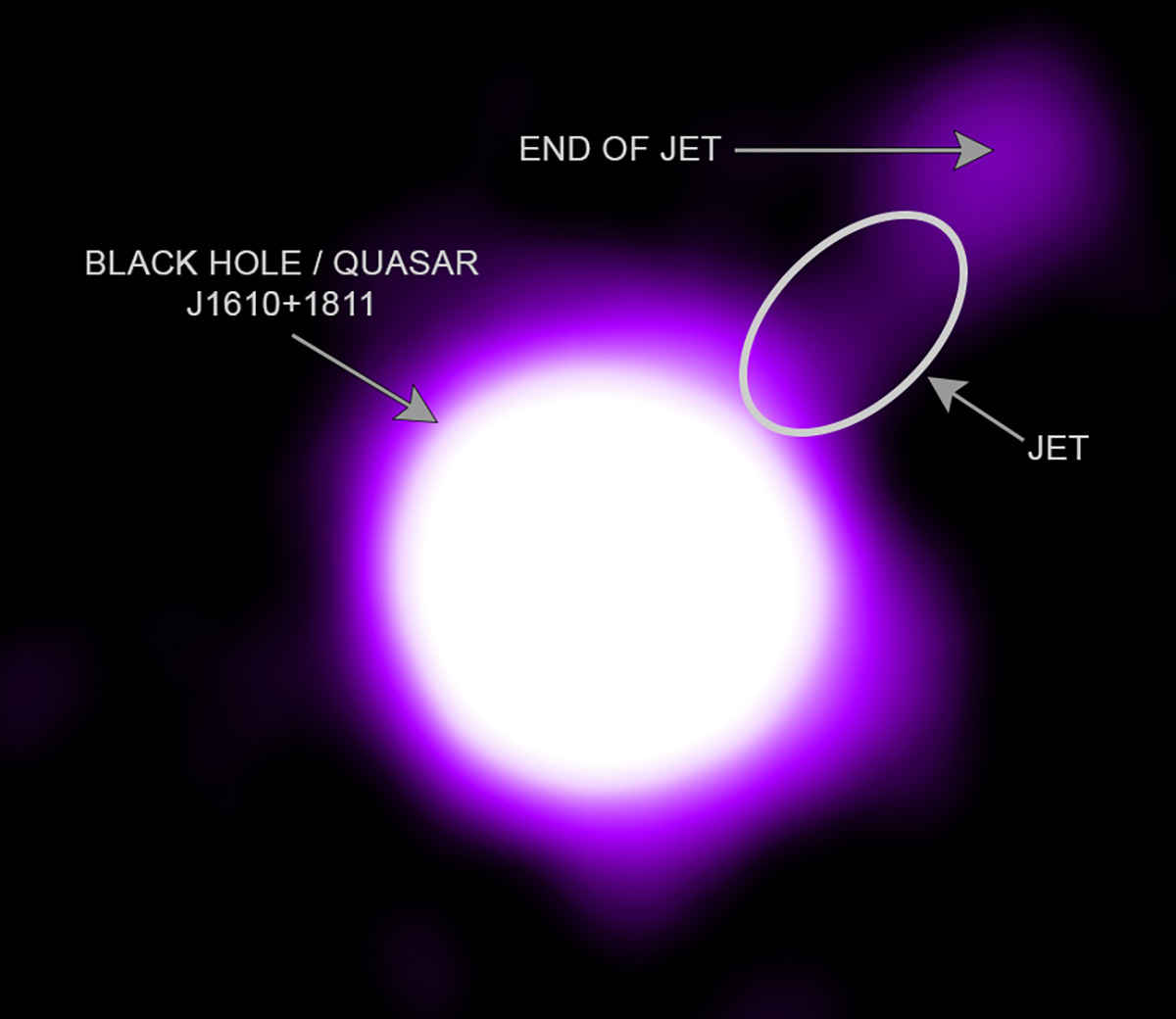
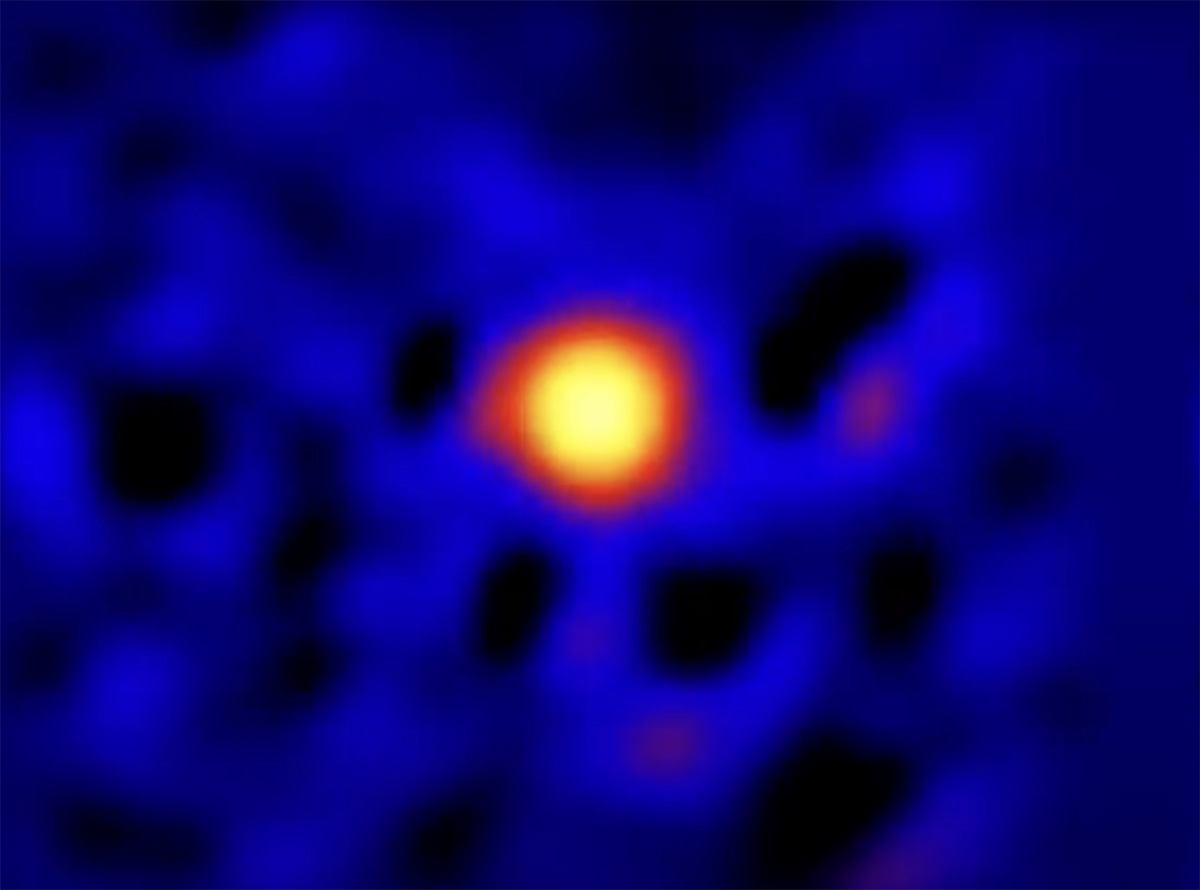
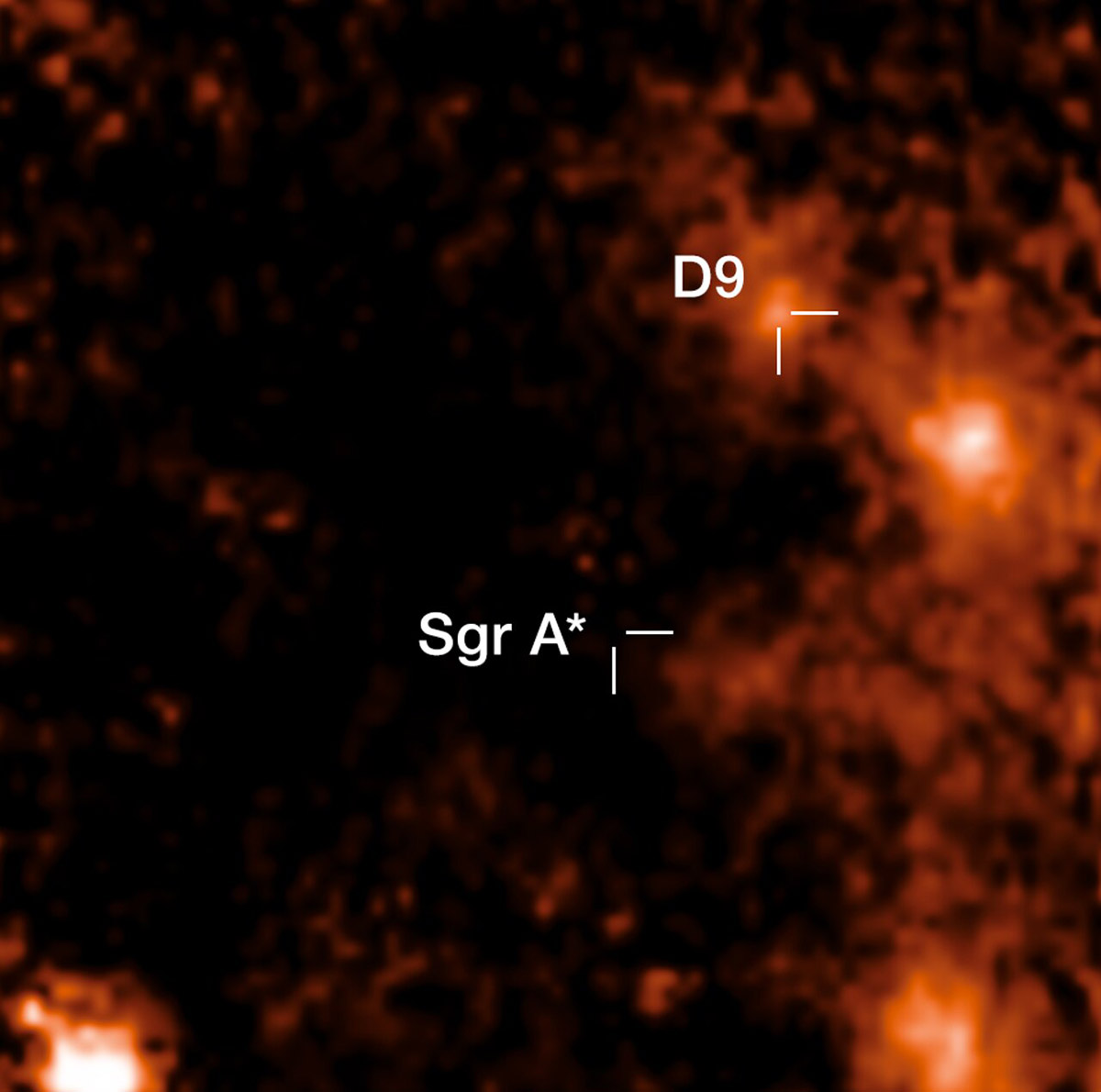
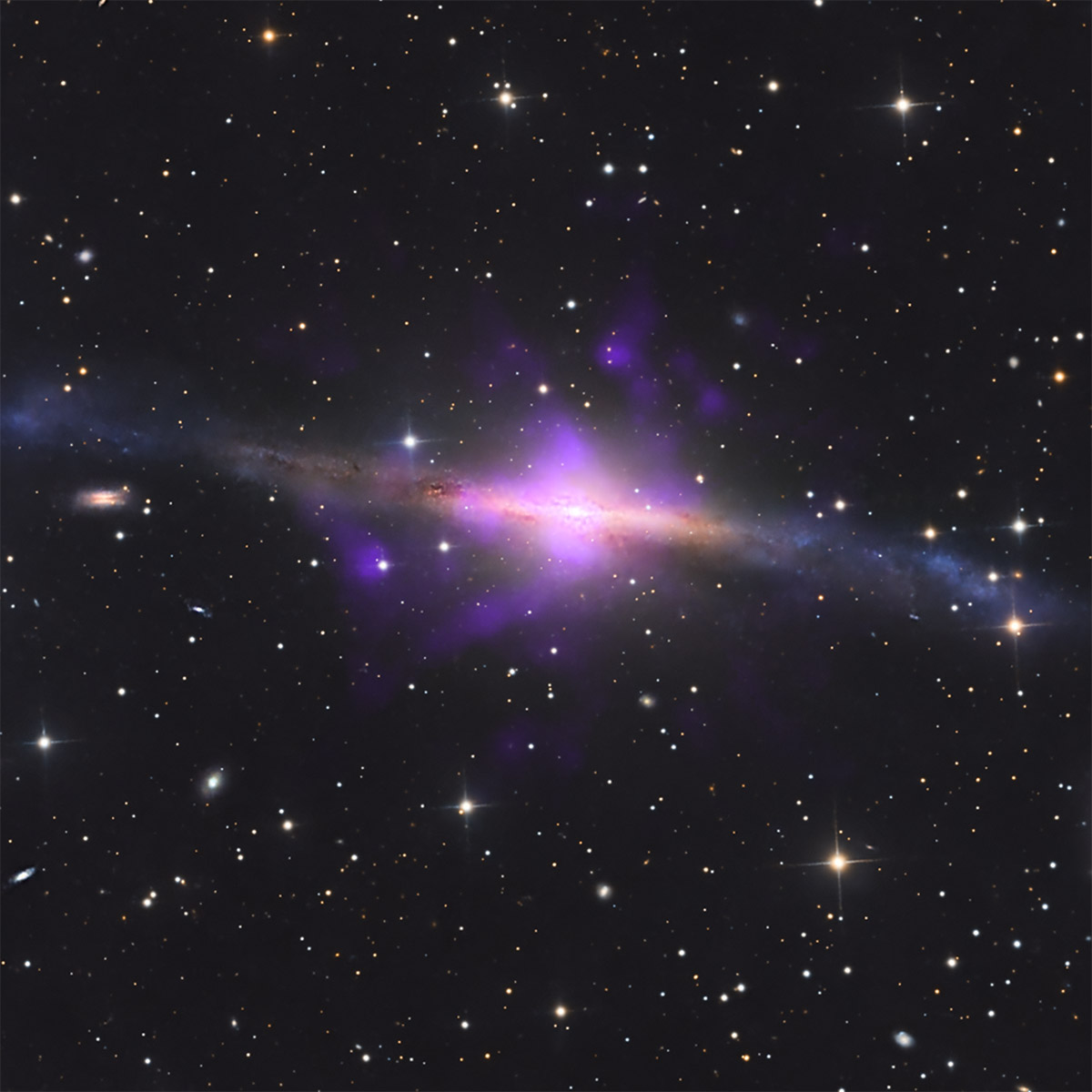
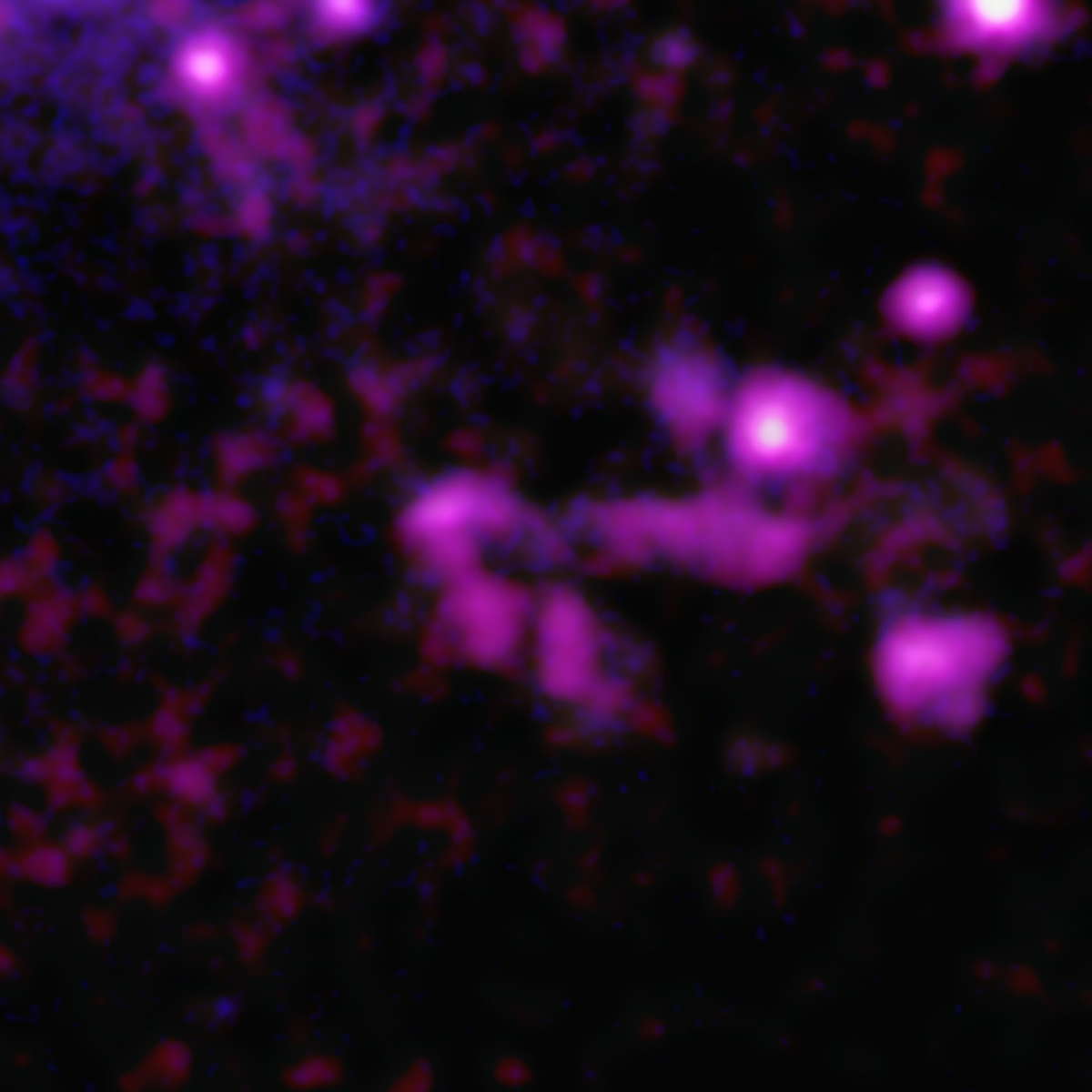
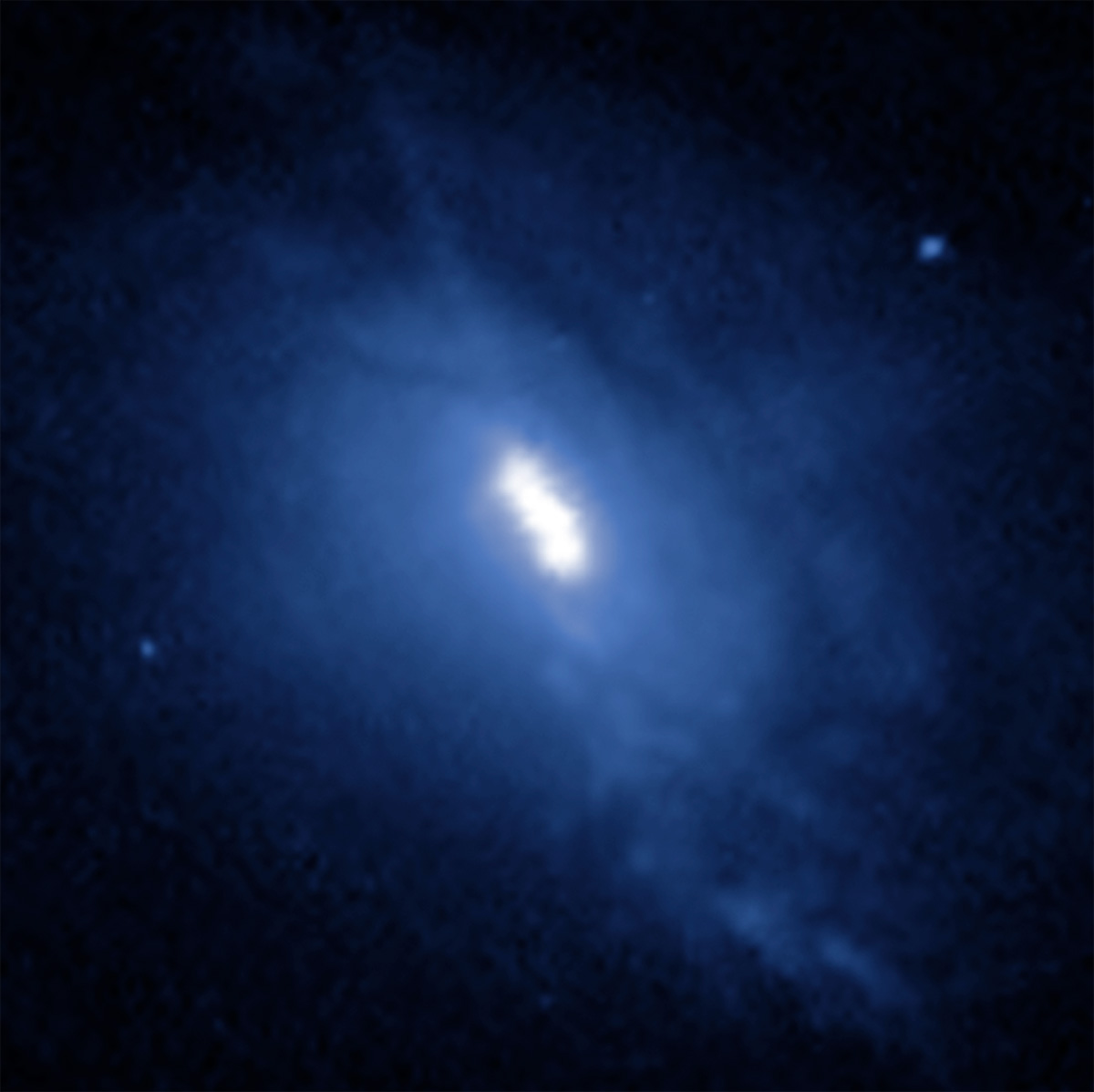
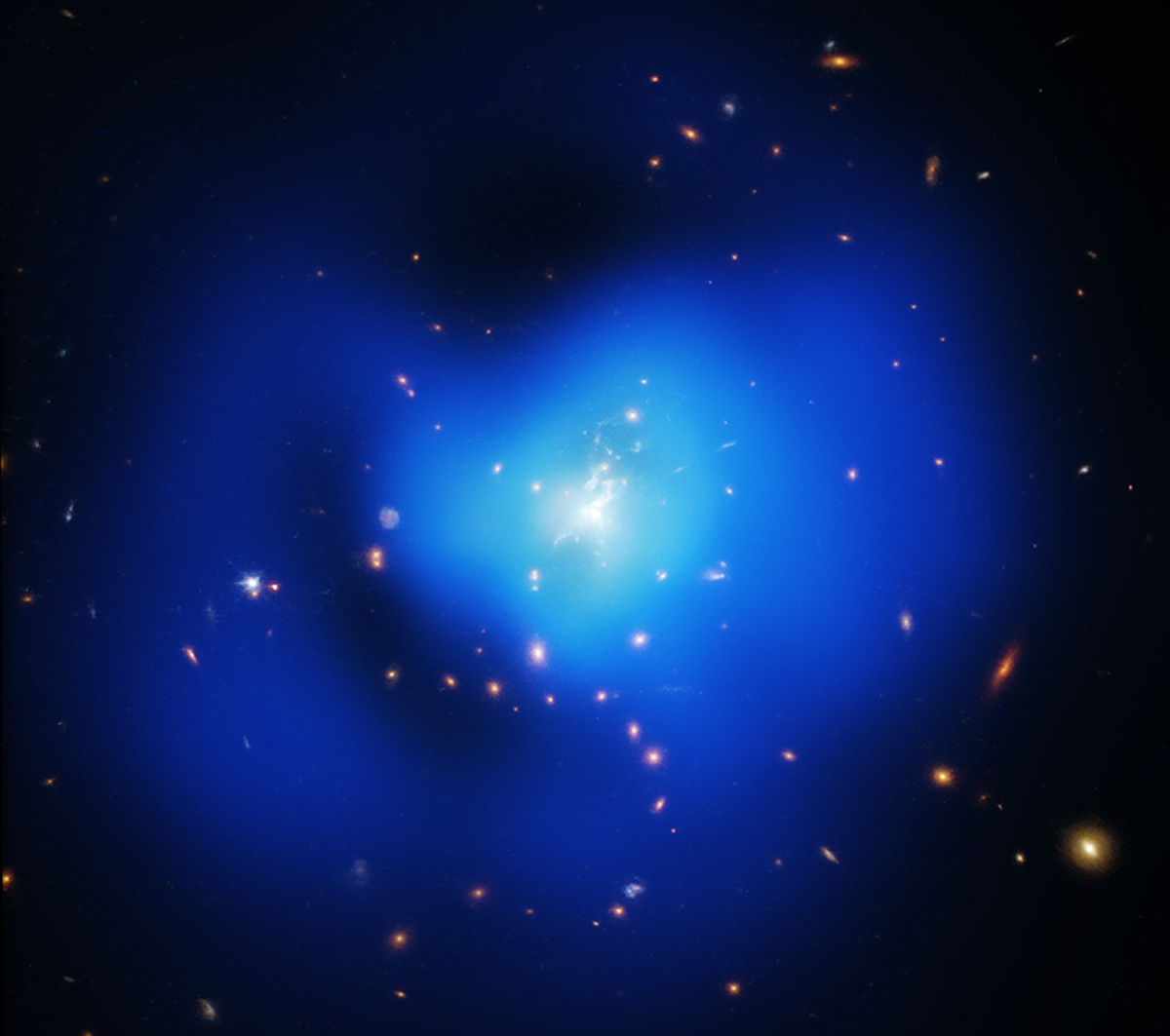
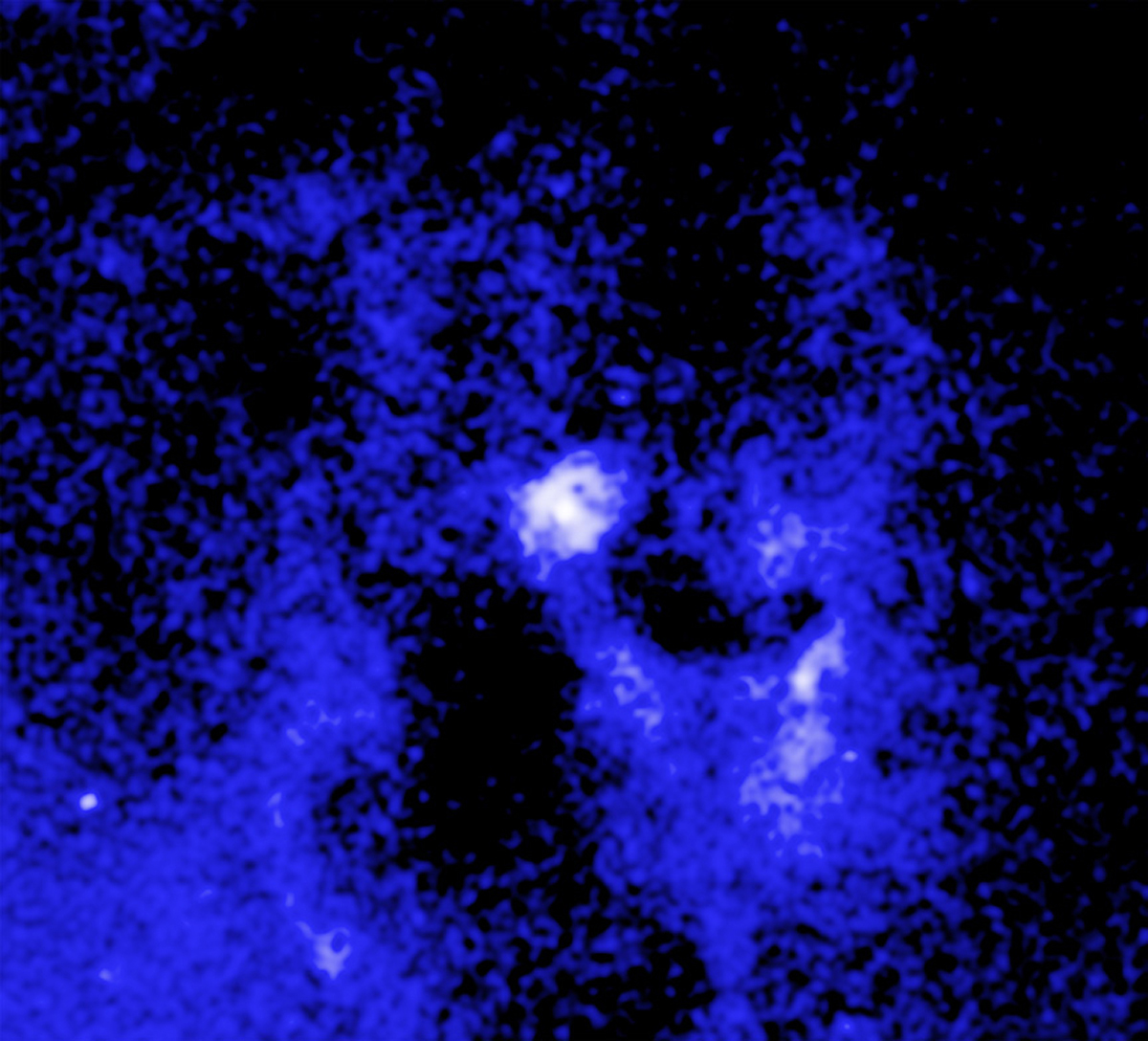
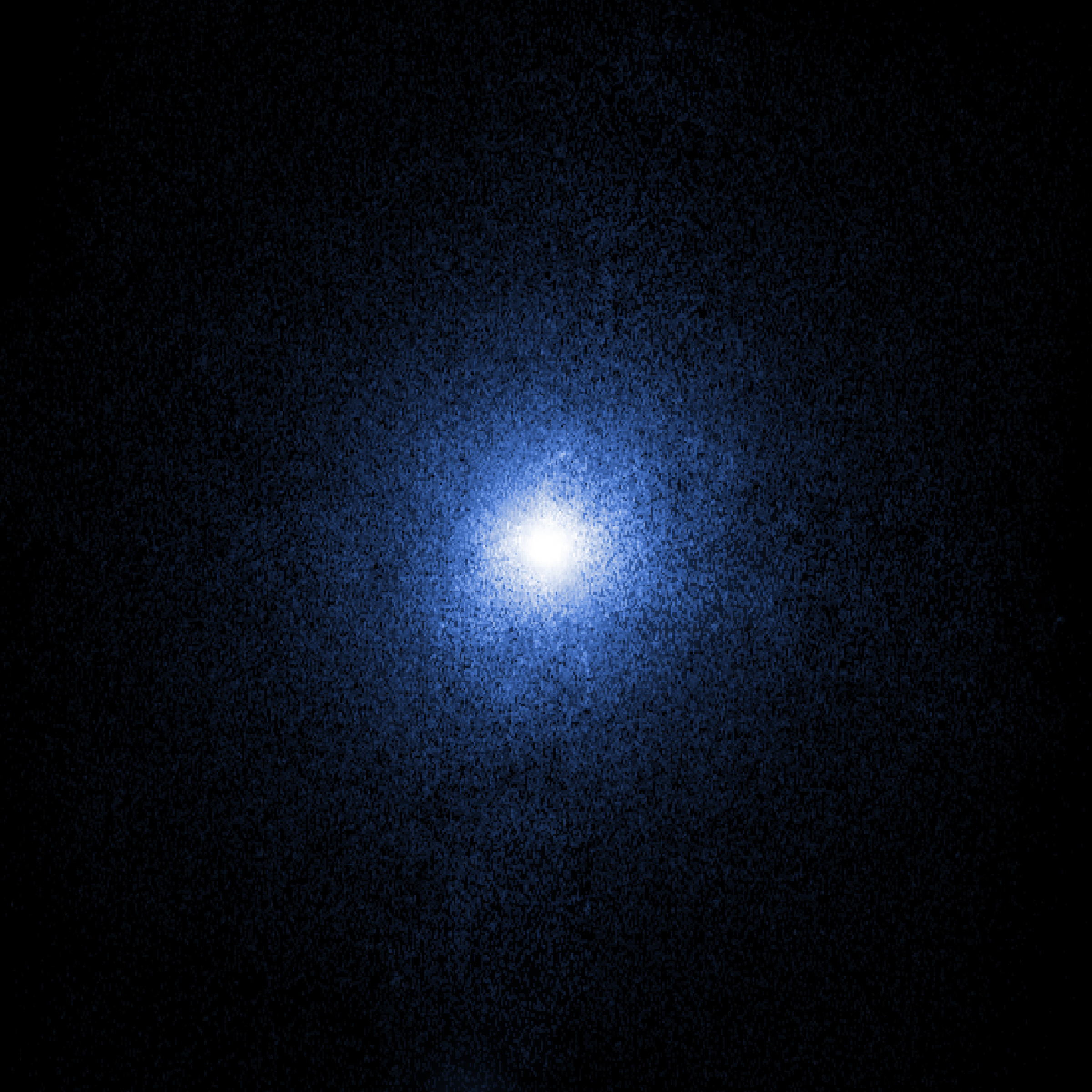
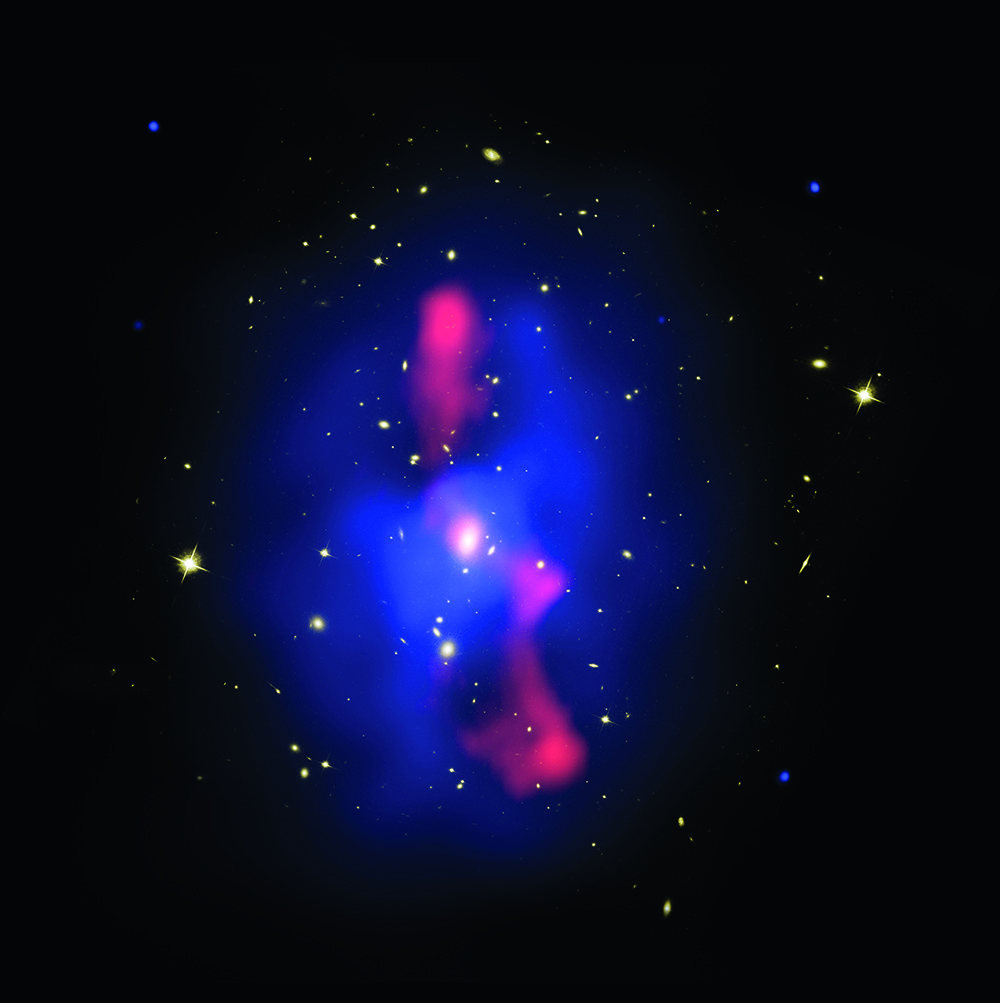
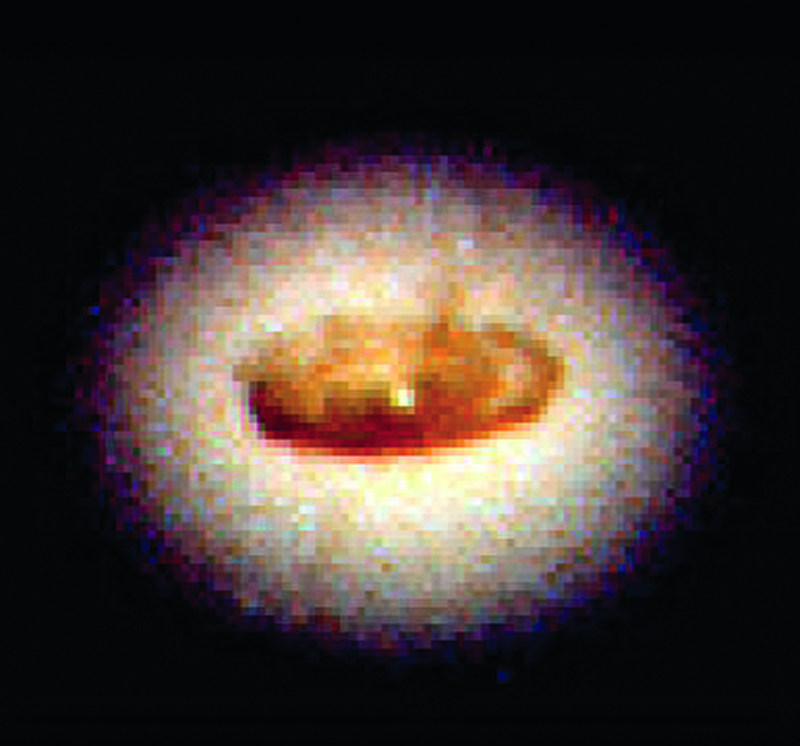
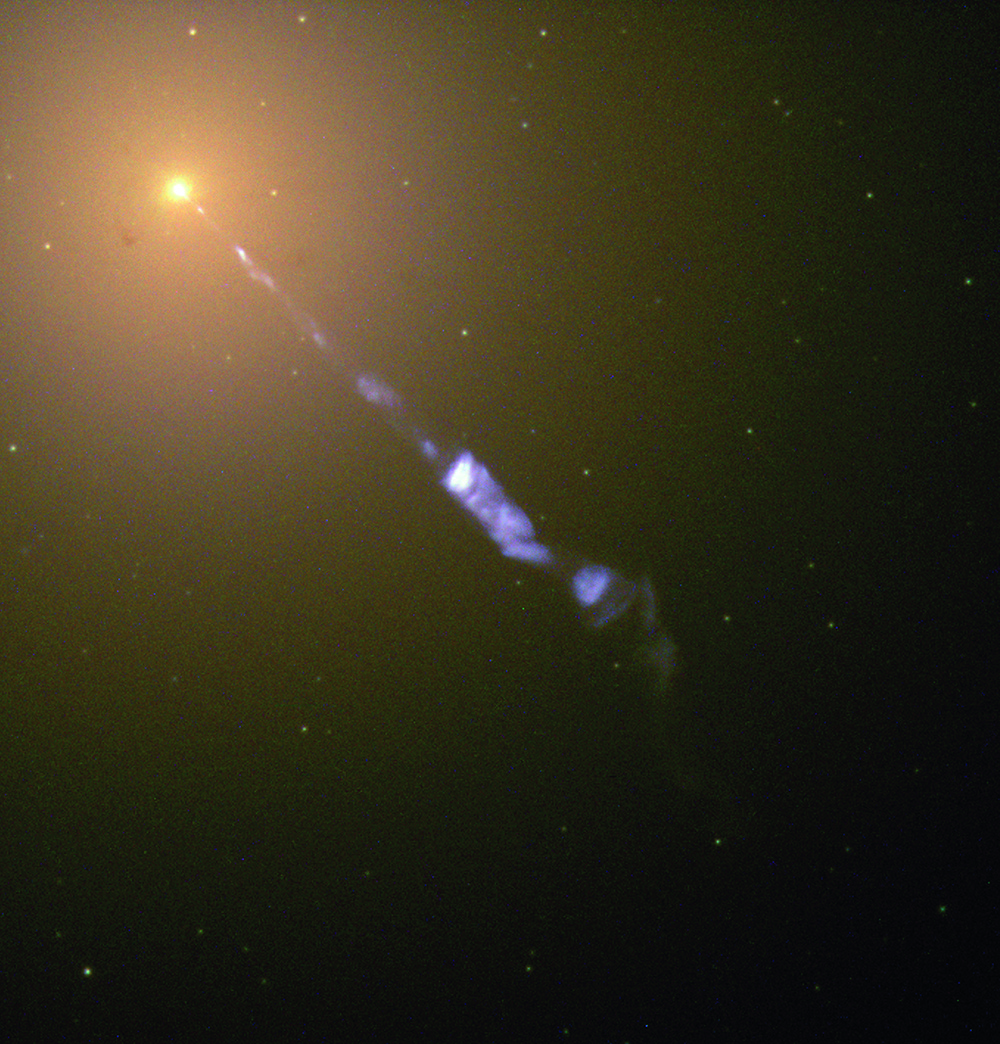
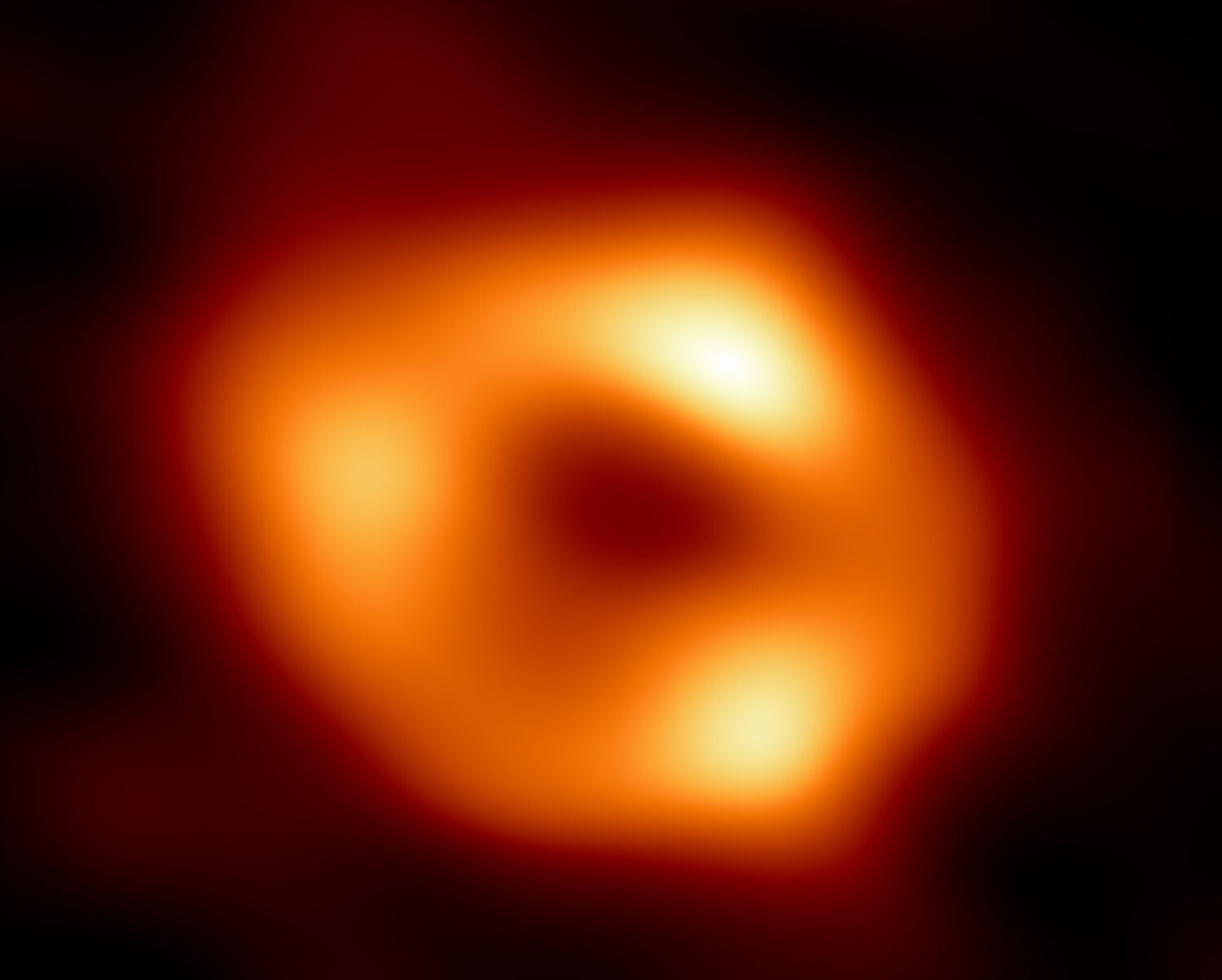
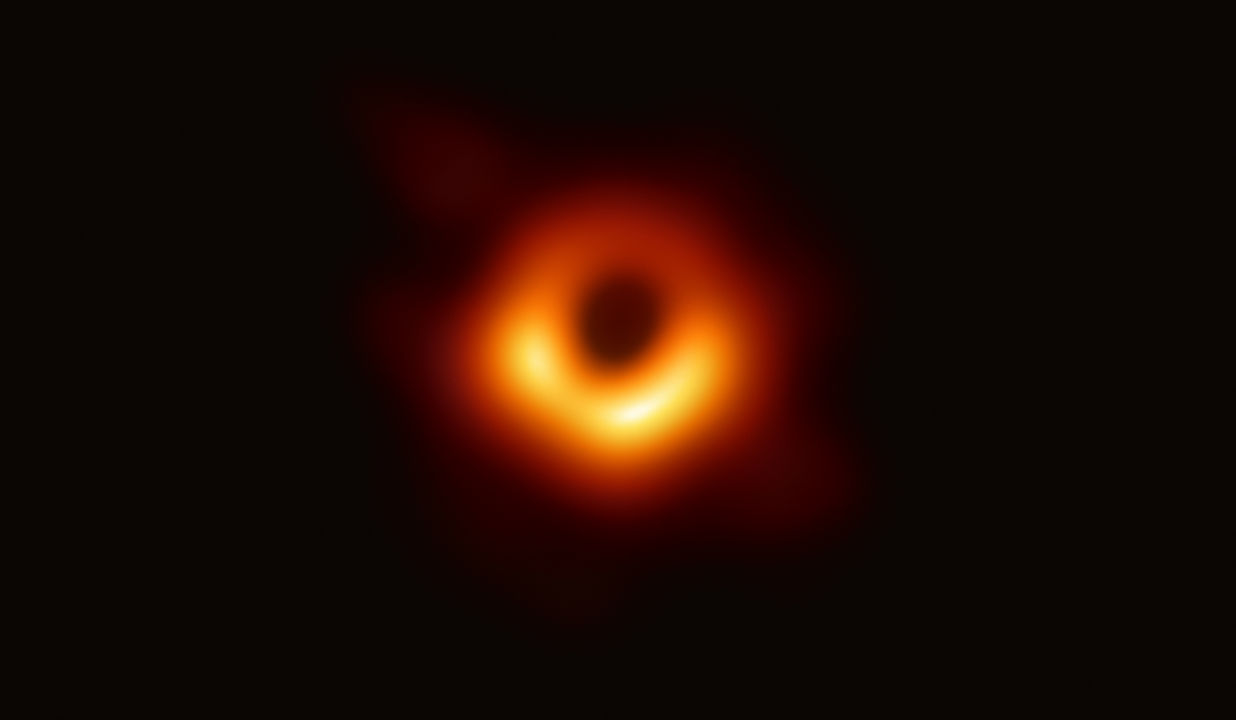
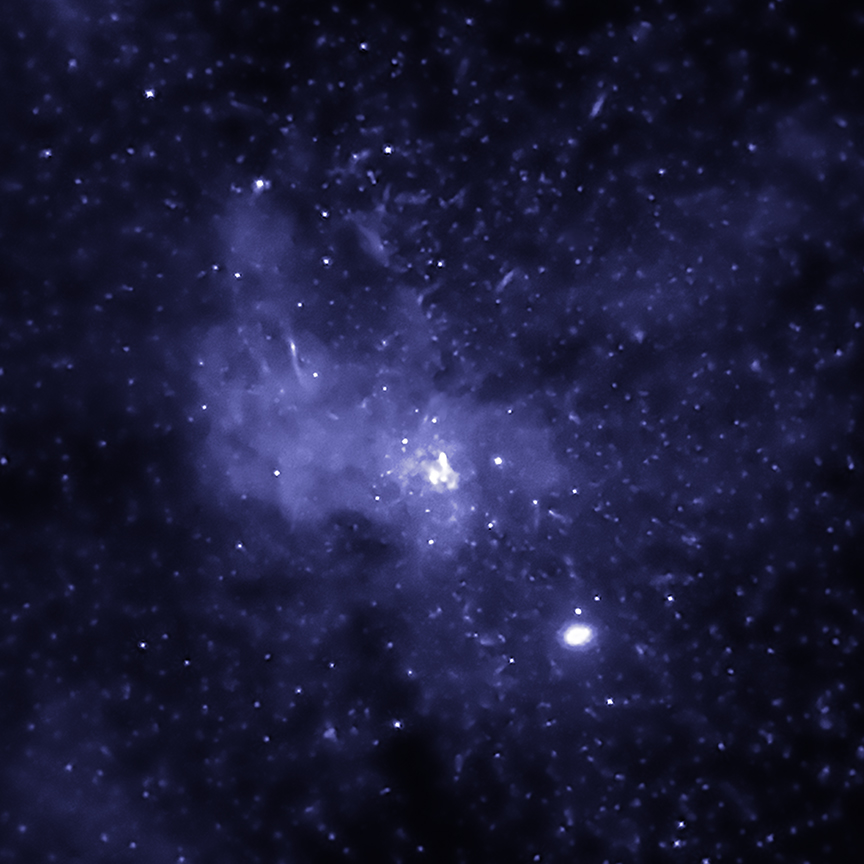
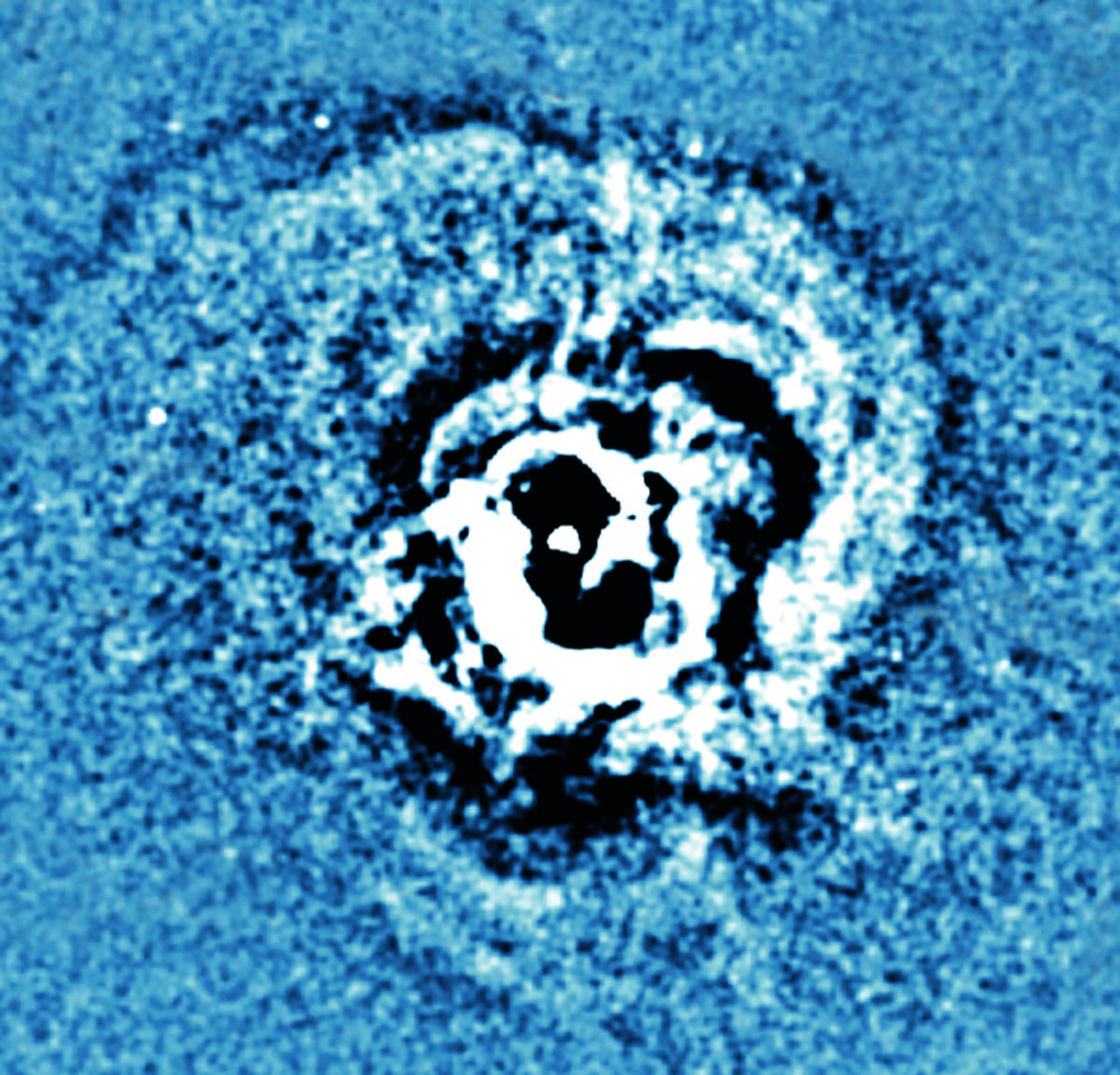
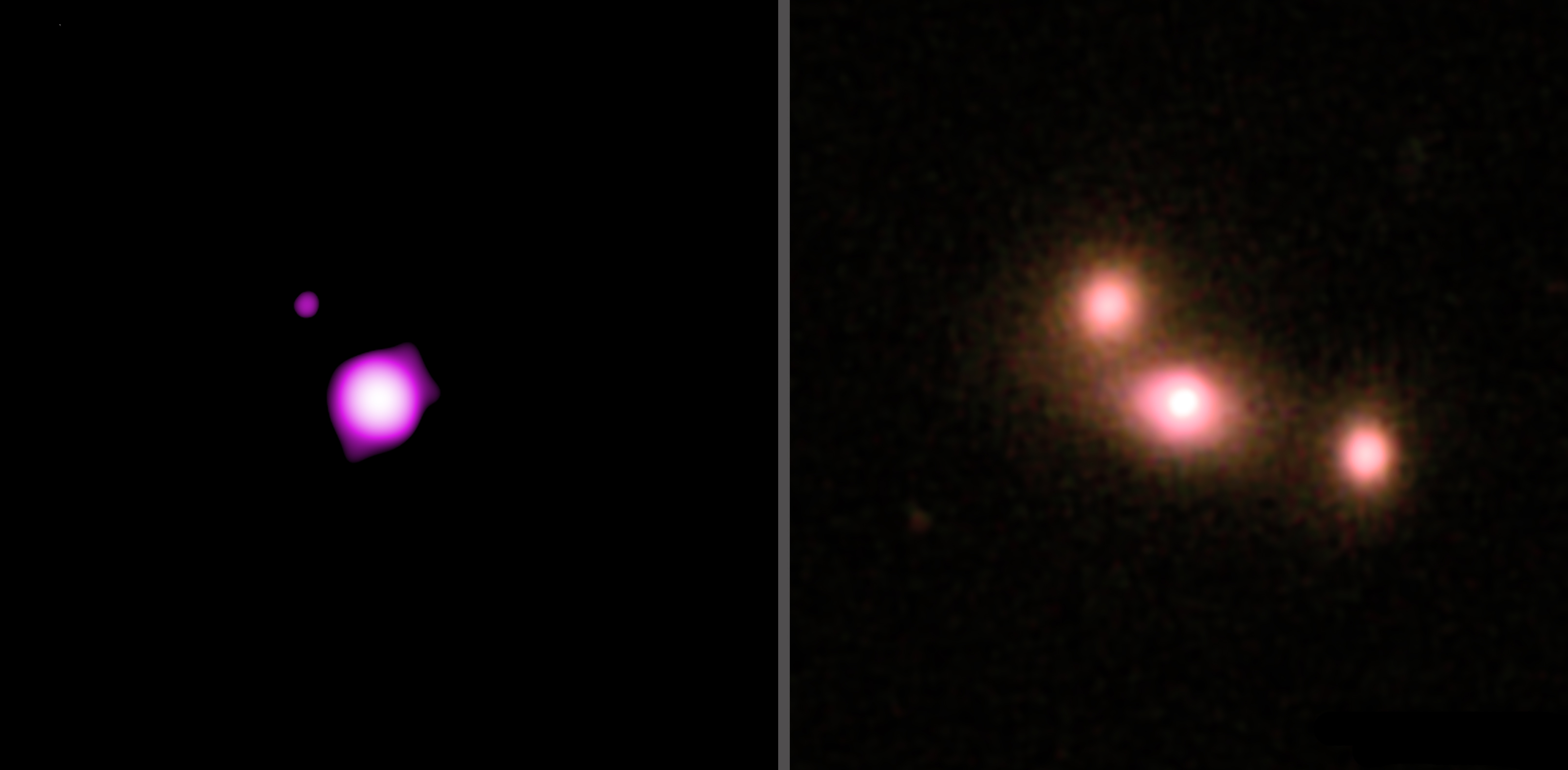
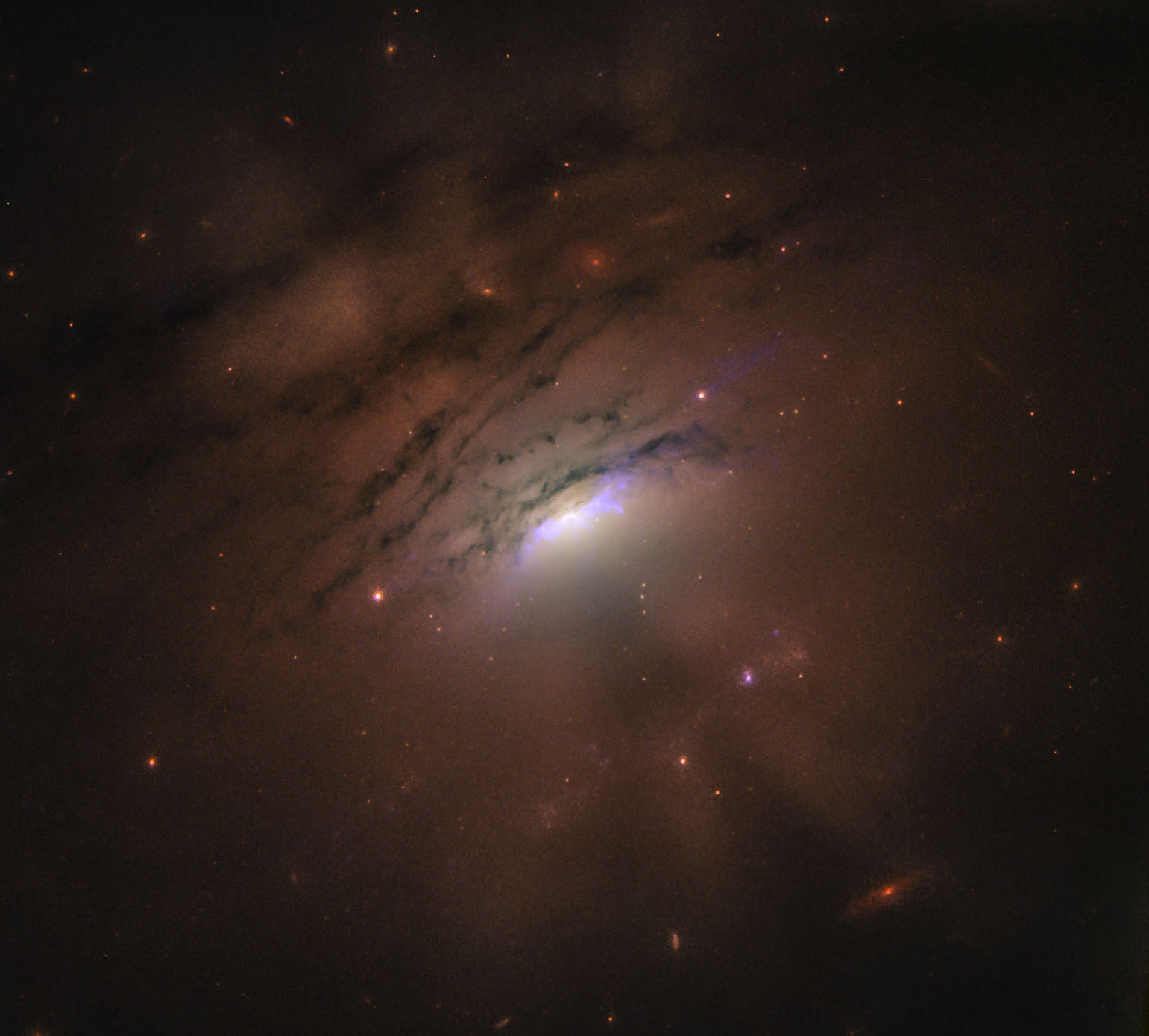
This image captured by the Chandra X-ray Observatory shows XTE J1118+480, a binary system of a black hole and another object – likely a main sequence star – firing out jets into space. Credit: NASA/CfA/J.McClintock & M.GarciaThe supermassive black hole at the centre of our own Galaxy is known as Sagittarius A*. In this image, the white dot in the centre is the black hole. Orange represents data from the Atacama Large Millimeter/Submillimeter Array, while blue is Chandra X-ray data. A cone-shaped cavity is visible as an absence of cold gas in the ALMA data, filled by hot X-ray-emitting gas in the Chandra data. X-ray: NASA/CXC/Northwestern Univ./M. Gorski; Radio: ESO/NAOJ/NRAO/ALMA; Image processing: NASA/CXC/SAO/K. Arcand and P. EdmondsThis image by the James Webb Space Telescope shows just how bright a galaxy’s core can be, powered by the central supermassive black hole. It shows galaxy M77 and its central supermassive black hole. Credit: ESA/Webb, NASA & CSA, A. LeroyThis is the first image of two black holes orbiting each other ever captured, in quasar OJ287. The image shows radio light glowing gas around the black holes. Credit: Valtonen, Mauri et al., The Astrophysical Journal, 2025This image shows a possible rare object known as an intermediate-mass black hole (IMBH), a rare class of black holes. Called NGC 6099 HLX-1, it seems to reside in a compact star cluster in a giant elliptical galaxy. Credit: X-ray: NASA/CXC/Inst. of Astronomy, Taiwan/Y-C Chang; Optical/UV: NASA/ESA/STScI/HST; Image Processing: NASA/STScI/J. DePasqualeAn image showing the supermassive black hole at the centre of the Milky Way – the central bright spot – as seen by the MeerKAT radio telescope. Credit: NASA, ESA, CSA, STScI, SARAO, Samuel Crowe (UVA), John Bally (CU), Ruben Fedriani (IAA-CSIC), Ian Heywood (Oxford)A Hubble Space Telescope and Chandra X-ray Observatory image of a galaxy 600 million lightyears away that’s host to the signature of a roaming supermassive black hole. The bright dot is tidal disruption event AT2024tvd, which is a flash of radiation caused by the supermassive black hole eating a star. Credit: NASA, ESA, STScI, Yuhan Yao (UC Berkeley); Image Processing: Joseph DePasquale (STScI)A Chandra X-ray Observatory image of black hole J1610+1811 and its jet, 11.6 billion lightyears from Earth. Credit: X-ray: NASA/CXC/CfA/J. Maithil et al.; Illustration: NASA/CXC/SAO/M. Weiss; Image Processing: NASA/CXC/SAO/N. WolkA bright flare coming from the supermassive black hole at the centre of our Galaxy, as seen in infrared light by the James Webb Space Telescope. Credit: Farhad Yusef-Zadeh/Northwestern UniversityImage showing D9, the first star pair ever found near Sagittarius A*, the supermassive black hole at the centre of the Milky Way. Credit: ESO/F. Peißker et al.Galaxy NGC 5084, using data from the Chandra X-ray Observatory over a visible-light image of the galaxy. Chandra’s data, in purple, shows four plumes of gas coming from a supermassive black hole rotating on its side at the galaxy’s core. Credit: X-ray: NASA/CXC, A. S. Borlaff, P. Marcum et al.; Optical full image: M. Pugh, B. Diaz; Image Processing: NASA/USRA/L. ProductA strange V-shaped structure named C4, caused by a jet from a supermassive black hole at the centre of galaxy Centaurus A smashing into an unknown object. Credit: Main image: NASA/CXC/SAO/D. Bogensberger et al; Image Processing: NASA/CXC/SAO/N. Wolk; Wide field composite: X-ray (Chandra): NASA/CXC/SAO/D. Bogensberger et al; X-ray (IXPE): NASA/MSFC; Optical: ESO; Image Processing: NASA/CXC/SAO/N. WolkHubble Space Telescope image of galaxy merger MCG-03-34-064. Three bright dots can be seen. Two are colliding supermassive black holes and the third is a blob of gas. Credit: NASA, ESA, Anna Trindade Falcão (CfA); Image Processing: Joseph DePasquale (STScI)The Phoenix Cluster, home of the Phoenix A* black hole, the bright source of light at the centre. Credit: X-ray: NASA/CXC/MIT/M.McDonald et al; Optical: NASA/STScI; Radio: TIFR/GMRTX-ray image showing the ‘Death Star’ black hole at the centre of NGC 5044. X-ray: NASA/CXC/Univ. of Bologna/F. Ubertosi; Image Processing: NASA/CXC/SAO/N. WolkA Chandra X-ray Image of Cygnus X-1, home of the first black hole to be discovered. Credit: X-ray: NASA/CXC; Optical: DSS; Illustration: NASA/CXC/M.WeissThree views of a galaxy cluster make up this image: Hubble has captured the galaxies in yellow, Chandra data reveals X-ray-emitting hot gas in blue, which has been pushed aside by jets of high-energy particles from a black hole imaged by the Very Large Array in red.This doughnut shape is an 800 lightyear-wide disc of dust fuelling a black hole at the centre of galaxy NGC 4261. The doughnut is calculated to be 1.2 billion times the mass of the Sun while the black hole’s gravity is capable of pulling in enough surrounding material to make 100,000 stars like our Sun.A Hubble Space Telescope image showing a black-hole-powered jet of electrons and other sub-atomic particles travelling at nearly the speed of light, coming from galaxy M87. Credit: NASA and the Hubble Heritage Team (STScI/AURA)The first ever image of Sagittarius A*, the supermassive black hole at the centre of our Galaxy, shows light bending around the dark black hole at the centre. Credit: EHT CollaborationA supermassive black hole was observed and imaged in galaxy M87 by the Event Horizon Telescope and announced to the world in April 2019. Credit: EHT CollaborationA collection of black holes near the centre of the Milky Way, just 3 lightyears from Sagittarius A*, captured by the Chandra X-ray Observatory. Credit: NASA/CXC/Columbia Univ./C. Hailey et al.An X-ray image of the Perseus cluster showing sound waves thought to have been produced by a black hole. Credit: NASA/CXC/IoA/A.Fabian et al.Triple galaxy merger J1708. On the left is X-ray data captured by the Chandra X-ray Observatory. The bright spots indicate X-rays given off by material falling into supermassive black holes. On the right is optical data seen by the Hubble Space Telescope. Credit: X-ray: NASA/CXC/Univ. of Michigan/A. Foord et al.; Optical: SDSS & NASA/STScICone-shaped shadows emanating from the bright centre of galaxy IC 5063 could be cast by the dusty ring surrounding the supermassive black hole at its centre. Credit: NASA, ESA, STScI and W.P. Maksym (CfA)
What are your favourite images of black holes? What did we miss? Let us know by emailing us at [email protected]
Reportage Media Is a Global News Platform Covering the Latest Developments and Breaking Stories from Around The World, Including World News, Business, Finance, Technology, Health, Politics, Science, Entertainment, Sports, and More.