





Stay up to speed with stories written by drivers, for drivers.
Get automotive news, DIY tips, market trends, in-depth car profiles, and more right in your email inbox.
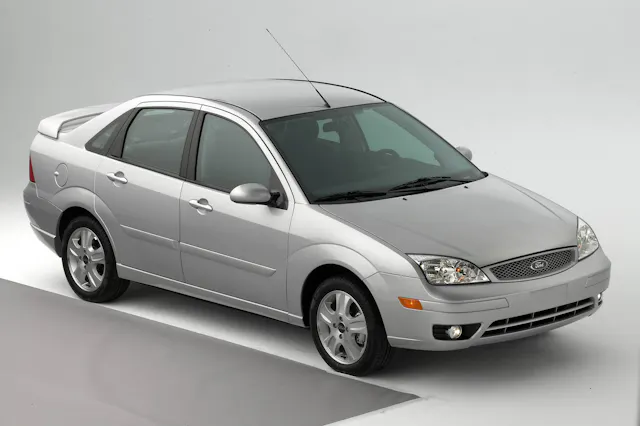
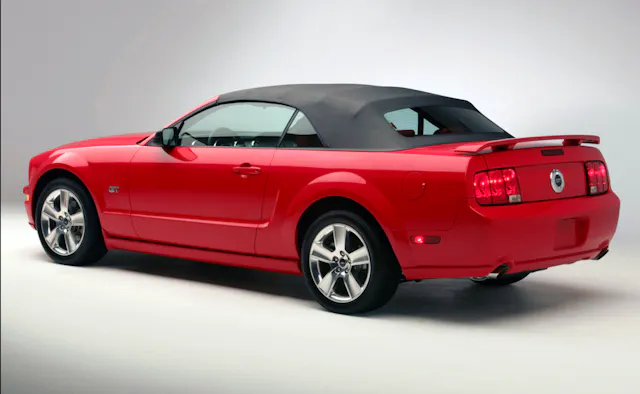
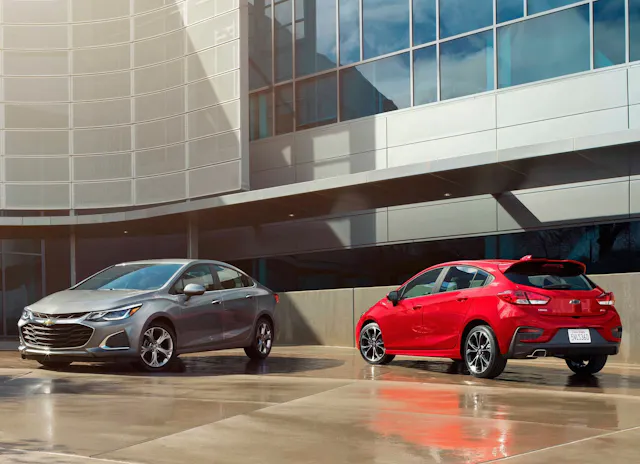
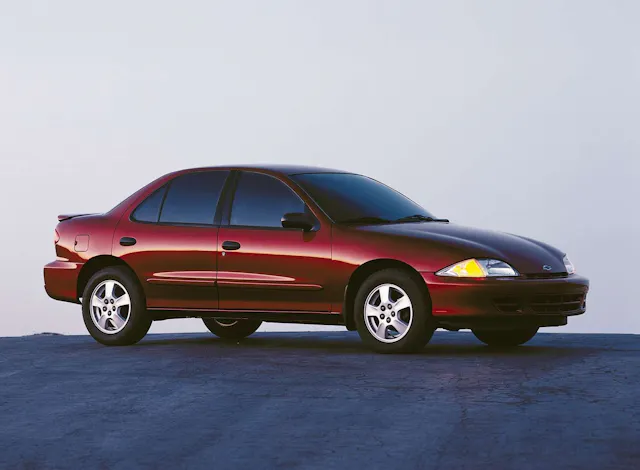
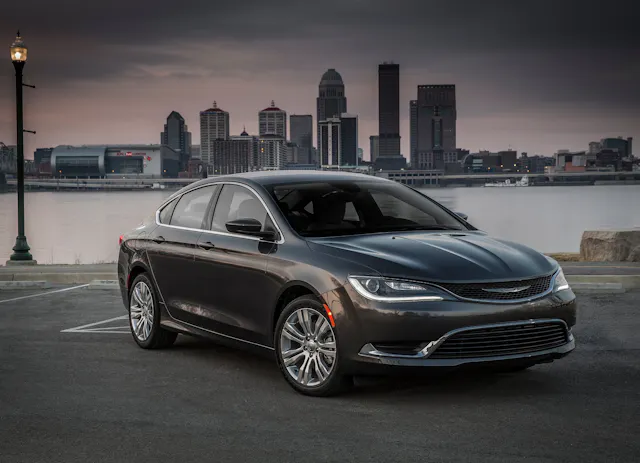
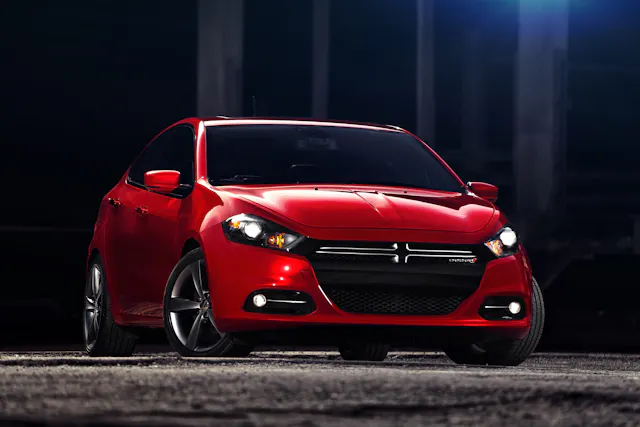
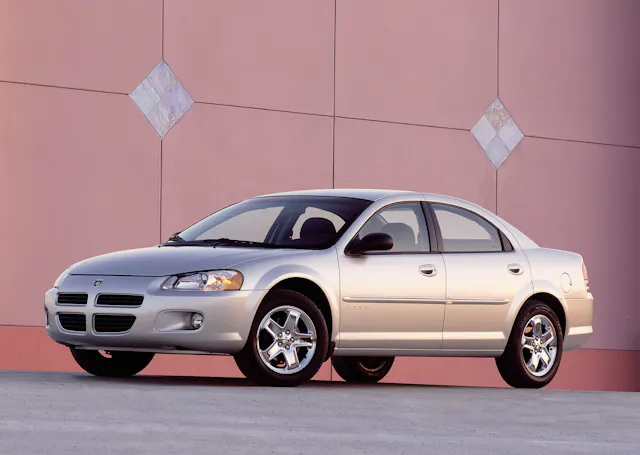
As any car person will remind you, probably with a shade of melancholy, we live in the age of the crossover. Gone are the affordable American starter cars of yesteryear, like the Chevrolet Cruze, the Ford Focus, and the Dodge Dart. Even their one-size-up siblings—the Malibu, the Fusion, and the Chrysler 300—have gone out of production. If you consider yourself a car-over-crossover person, you probably saw recent reports of increasing sedan sales in the U.S. and began to wonder whether public sentiment was shifting. Perhaps you began to hope the trend would continue, and the Big Three might once again build cars in addition to crossovers.
Not so fast.
Though Toyota Camry sales are up 11.2% year-to-date, and though Honda is reporting its best Q3 for passenger-car sales since 2020, data from AutoForecast Solutions (AFS) reveal that this segment is underperforming compared to the same period in 2025 (January through September). AFS forecasts that this trajectory will continue through the end of the year, resulting in 2.65 million cars sold in the U.S. during 2026, compared to 2.77 million in 2025. Toyota and Honda sedans may be having a good year, but U.S. passenger-car sales at Tesla, Lexus, Subaru, Stellantis, Nissan, Mercedes-Benz, and Kia are down, compared to 2025, through the second quarter of this year.
The number of cars (including sedans, hatchbacks, and station wagons) sold in the U.S. has been sliding for a long time. According to AFS, sales of passenger cars have decreased every year since 2014, when they accounted for a heady 47% (7.7M units) of the new, light-vehicle market. Today, that figure has fallen to just 16.5%. The remaining 83.5% is represented by crossovers, vans, and pickups—the kind of high-riding, spacious vehicles American buyers historically like.
If America likes trucks and SUVs, what’s causing this uptick in the sales of more affordable sedans from Honda and Toyota? As you might guess, spiking gas prices are pushing cost-conscious buyers to consider alternatives. Sedans are generally less expensive than crossovers, and cars get better gas mileage (because the EPA says they have to … but we’ll get to that in a moment).
The increase isn’t likely to last, says Sam Fiorani, vice president of global vehicle forecasting for AutoForecast Solutions. “American buyers don’t deviate from their path of what they like. If they want a pickup truck or a sport utility, chances are they’re going to get that.”
We’ve been here before, during the 2008 financial crisis. “Even when we saw gas prices spike almost 20 years ago now, the shift toward fuel-efficient small vehicles was short-lived.”

Consumers didn’t even wait for gas prices to come down. “After six months or a year, typically the market acclimates to the new normal,” says Fiorani. “We saw price spikes on used Geo Metros for a short period of time, and then buyers got used to the new prices and went back to buying big vehicles with big engines that use a lot of gas.”

The current increase in the sales of some sedans will likely last only until people get used to today’s gas prices. It is also a reminder that large percentage changes don’t necessarily indicate large shifts in volume. The most conspicuous example is the Mazda 3 sedan, which posted a triple-digit percentage increase (167.9%) in September 2026, compared to September 2025. On the other hand, sales totaled just 2794 units last month.
How did we get here? The reason has less to do with consumer preference and more to do with unintended consequences of government interference.
Fiorani traces the shift from cars to crossovers to the ’80s. Back then, Corporate Average Fuel Economy (CAFE) standards set by the National Highway Traffic Safety Administration held trucks to a lower standard than they did passenger cars. For a while, trucks were even subject to lower safety requirements. For those two reasons, trucks cost less to build than cars, therefore representing higher profit margins. Buyers still wanted V-8s, if they could afford them, and a lot of power, and thus the conditions were ripe for the rise of crossovers, categorized then by the EPA as trucks (as they are today, at least for now).

Changing CAFE standards, Fiorani explains, lie behind the demise of the American sedan. Originally, CAFE standards did exactly what the name said: They required automakers selling cars in the U.S. to maintain a certain average fuel-economy target across all the vehicles in their fleet. For example, as Fiorani writes in AFS’s October 2025 report, in the ’80s, a model pulling a manufacturer’s fleet average down by 10 mpg would be balanced by another model returning 2 mpg above the average—as long as, said the EPA, the more fuel-efficient model outsold the less fuel-efficient one by a ratio of five to one.
“For manufacturers,” Fiorani notes, “this provided an economic problem. How could in-demand V-8–powered models be outsold by relatively low-demand, gas-sipping subcompacts? Manufacturers generated more demand for the fuel-efficient models by lowering their prices. While full-sized luxury cars made money, they needed small four-cylinder models to be sold at break-even prices or at a loss to generate the number of sales necessary for the CAFE calculation to work.”
As of the 2011 model year, everything changed. CAFE standards no longer applied to the fleet, but to individual vehicles, on a sliding scale determined by their footprint (track width multiplied by wheelbase).
Where Fiorani expected the change to encourage the development of “really wide, really long-wheelbase vehicles that have these very narrow bodies and very short stubby looks,” the Big Three “just decided to go away from passenger cars altogether.” Eliminating vehicles you were already selling at break-even or at a loss simply made good financial sense. Unfortunately, the elimination of affordable sedans—such as the Cruze, the Focus, and the Dart—was a loss for the consumer.
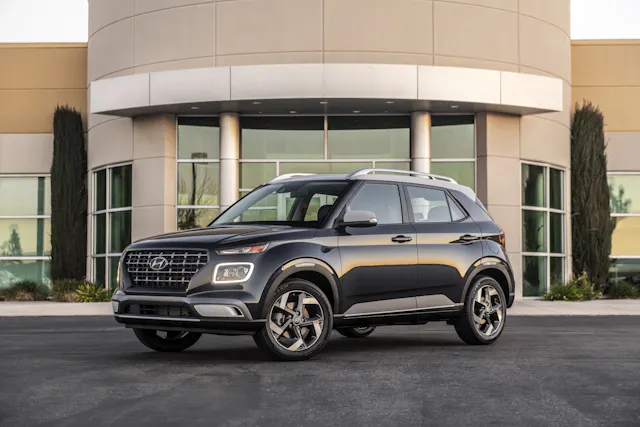
Fifteen years later, the new-vehicle market looks totally different. “There are only a handful of vehicles that are on sale that transact for under $35,000,” Fiorani points out, “and under $30,000 you get into really rarefied air.” The cheapest new car in America, recently reviewed by our own Steven Cole Smith, is not a compact car but a compact crossover: The Hyundai Venue ($24,250).
It’s unlikely that the modest increases in sedan sales this year will encourage the Big Three to resurrect the affordable cars of yesteryear. True, GM is developing a next-generation Cadillac CT5 luxury sedan, which is expected to spawn a Buick sedan and a reborn Camaro coupe, but Fiorani says that will likely be priced at $40,000 to $50,000, well above, say, the Honda Civic or even the larger Toyota Camry.
“It would be a risk to believe that there is a market for 200,000 or 300,000 compact sedans a year for a manufacturer that hasn’t sold them in a decade,” says Fiorani. Compared to, say, the selection of crossovers on the market today, there is only a limited selection of inexpensive family passenger cars, from Honda, Nissan, Toyota, Hyundai, and Kia (many of which, despite being based outside the U.S., build their cars here). “Prying some of that market share away from them is going to be hard, and it’s not like there are millions of people sitting on the sidelines waiting for a new $30,000 Ford Focus.”
Americans have a well-documented belief that bigger is better when it comes to cars, and it takes a lot to make us consider alternatives. Enjoy the moment, you Camrys and Civics … and know that you have some staunch fans here, even though we’re among the minority.

Source: www.hagerty.com