




Want to bookmark your favourite articles and stories to read or reference later? Start your Independent Membership today.
Already a member?
Log in
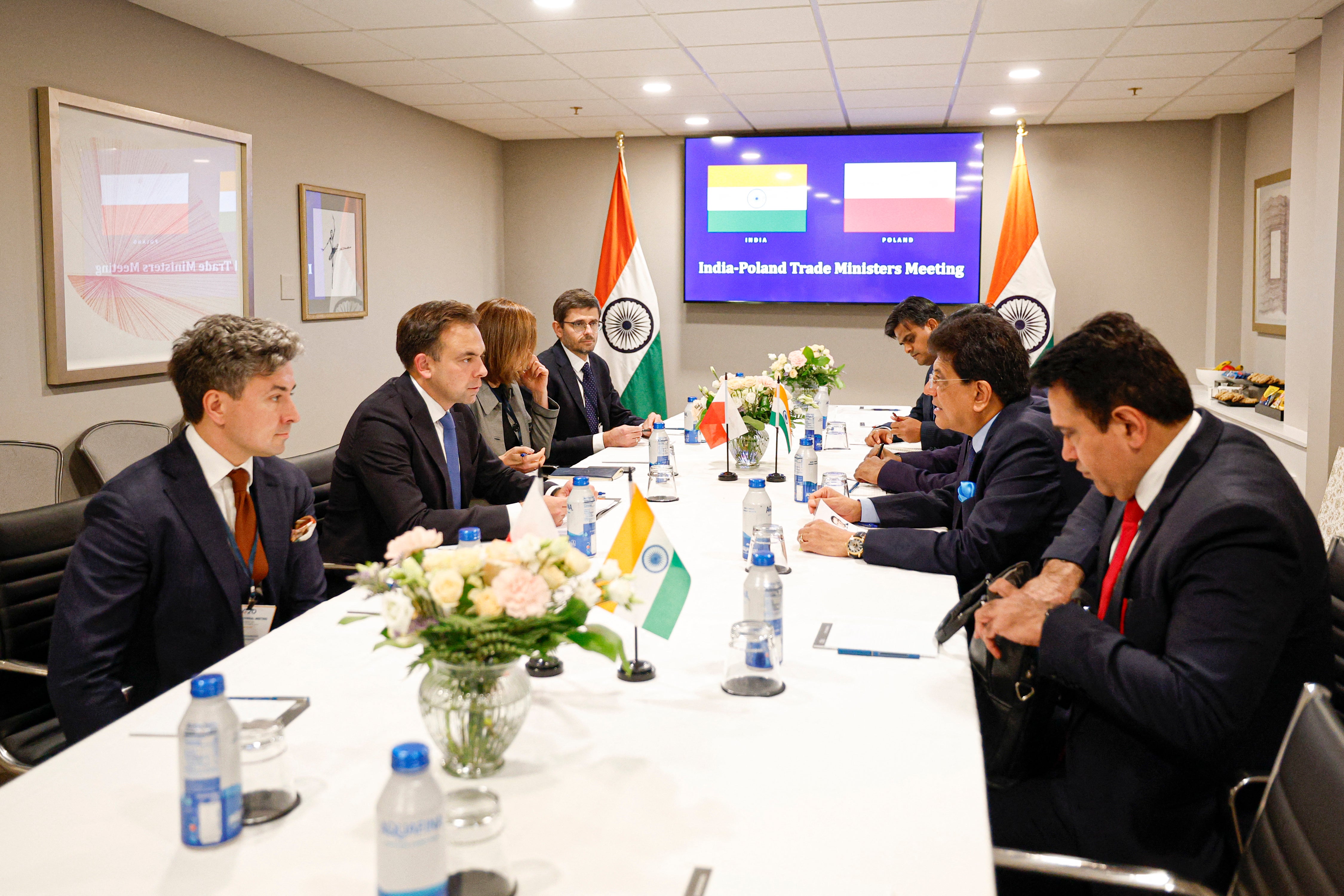
Trade negotiations between the US and India have hit an impasse after more than a year of talks, with officials on both sides acknowledging that significant differences remain over the issues of tariffs and market access.
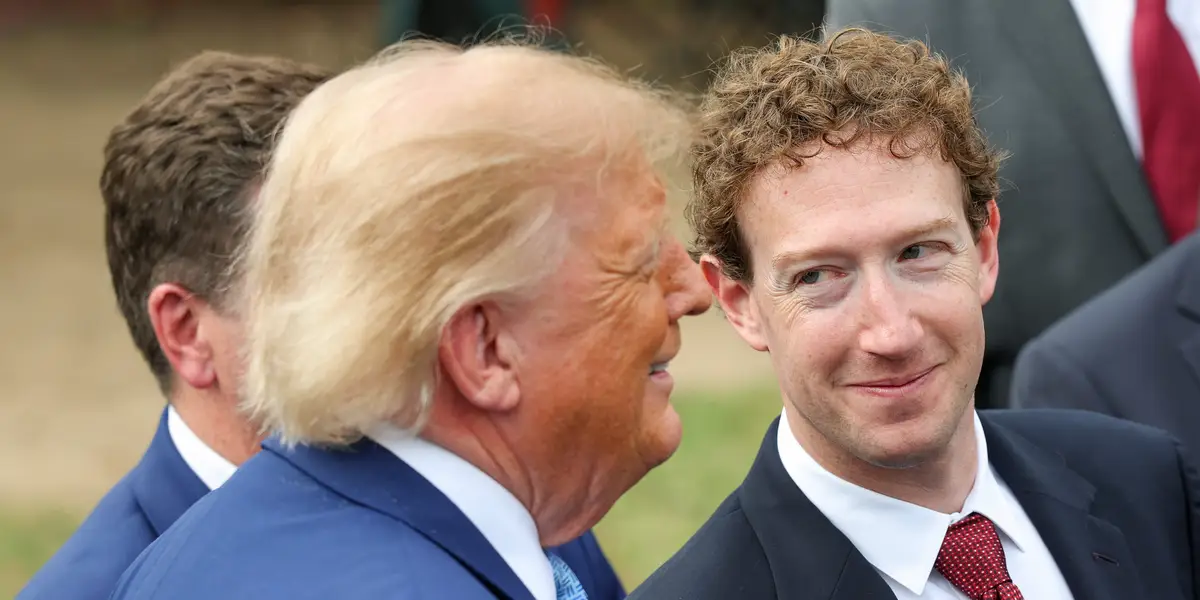
US president Donald Trump declared earlier this year that the two countries were on the verge of a “big, beautiful” trade deal. Yet, months later, an agreement remains elusive, despite many rounds of negotiations.
Indian finance minister Nirmala Sitharaman said this week the negotiations had “reached a plateau”, beyond which a compromise would be difficult. Talks had reached a point, she added, beyond which additional give and take would be “very, very difficult” for both sides.
“It’s been a hard and very vigorously negotiated agreement,” Ms Sitharaman said at an event in the capital Delhi, but added that negotiations were continuing.
Trump’s tariffs prove a major hurdle
India was among the first countries to open trade negotiations with the US after Mr Trump announced his sweeping “Liberation Day” reciprocal tariffs last year. The two sides also launched “Mission 500”, an ambitious target to more than double bilateral trade to $500bn by 2030.
But relations between Washington and Delhi have since been strained by a series of tariff disputes, while disagreements over Russian energy, market access and agriculture have made an agreement increasingly difficult to reach.
India was initially targeted with a 26 per cent tariff under Mr Trump’s “Liberation Day” measures. The effective tariff rate on some Indian goods climbed as high as 50 per cent after Washington imposed an additional 25 per cent penalty over Delhi’s continued purchases of Russian oil.
A framework for talks announced in February offered a reprieve, with Washington agreeing to reduce the reciprocal tariff rate on Indian goods to 18 per cent.
The tariff landscape shifted after the US Supreme Court struck down the president’s use of emergency powers to impose sweeping global duties, leaving Indian exports subject to a 10 per cent baseline tariff while the two countries returned to negotiations over the terms of a broader agreement.
“A trade deal between India and the US is likely but probably not until next year,” Tarun Nair, an analyst at the UK-based security intelligence firm Dragonfly, told The Independent. “Fundamentally, India still wants greater access to the US market and lower US tariffs on its exports.”
He said that the US still saw India as an attractive destination for its exports and would benefit from integrating the latter into its technological supply chains, as a hedge against Chinese influence in the Asia-Pacific region.
What are the sticking points for a deal?
The US has been demanding greater access to India’s farm and dairy sector.
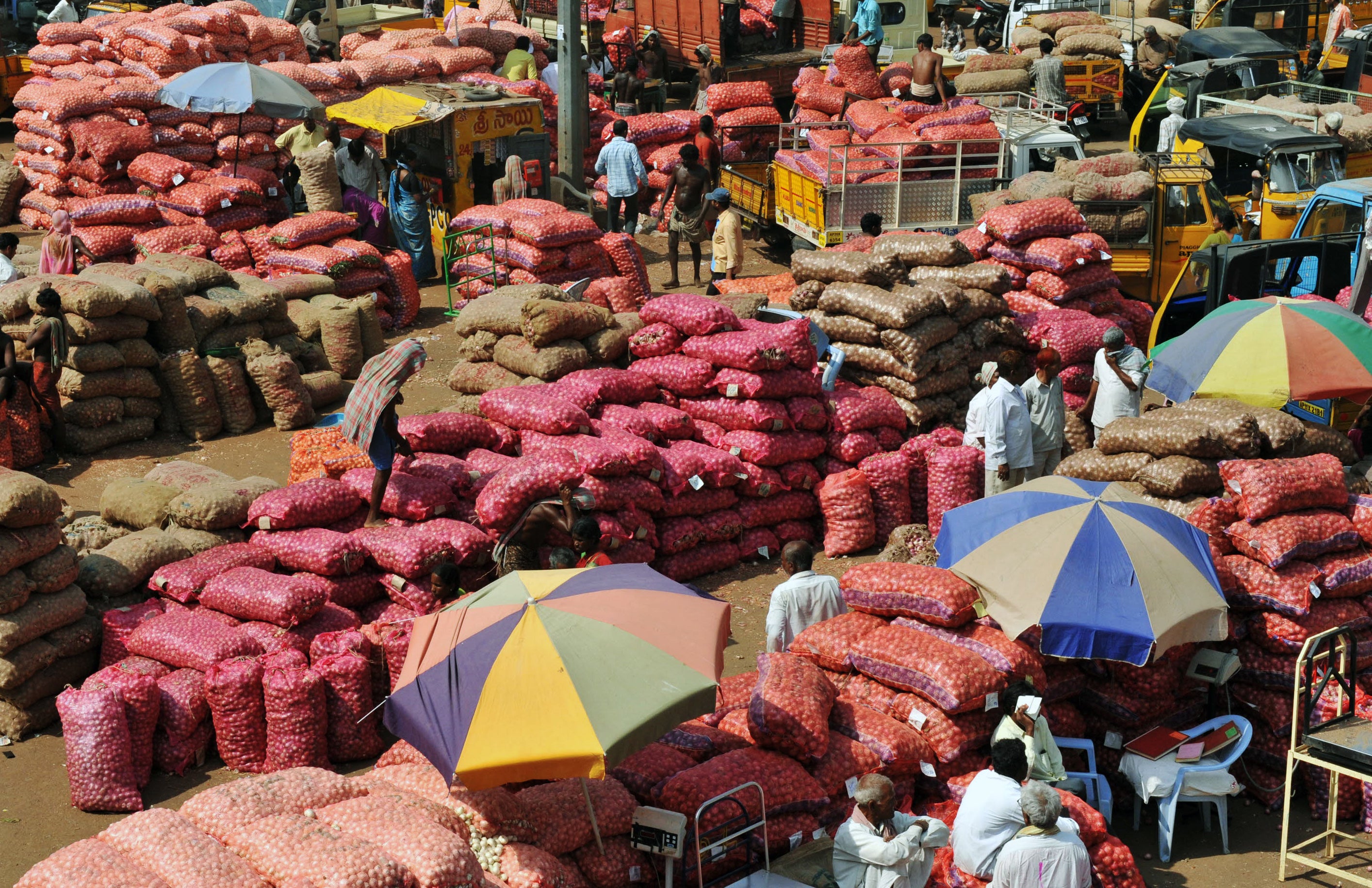
But as an agrarian economy which employs 80 million people in the farming sector, India has been sensitive to opening up that market while trying to secure better tariff treatment for its exporters.
India has sought to keep dairy, poultry, rice, wheat and other farm products outside the scope of the market-opening commitments. It wants greater certainty over US tariffs before making concessions.
It has so far managed to shield its farmers from foreign competition by imposing heavy import tariffs up to 150 per cent.
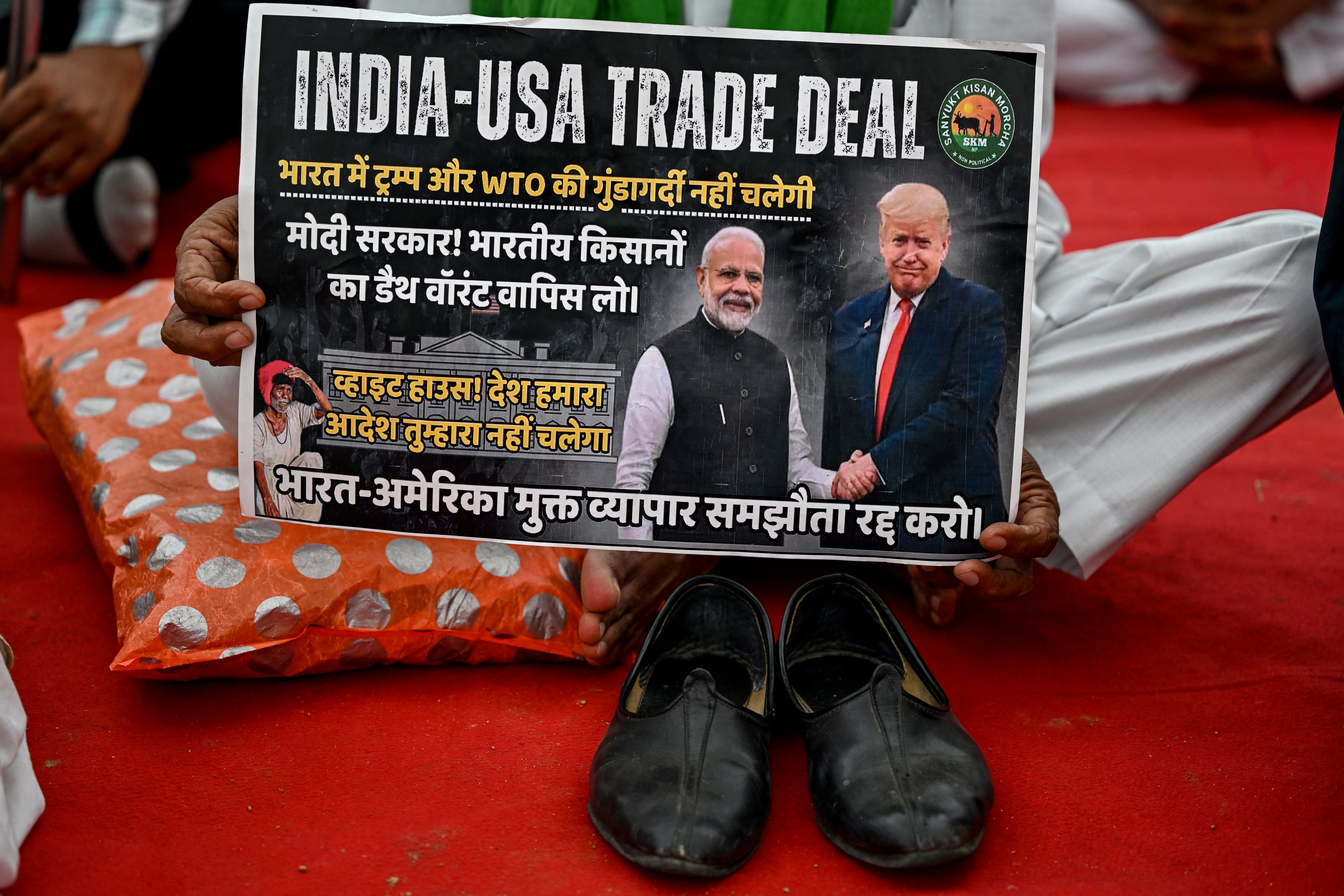
Aside from hurting farmers economically, opening up agriculture to foreign players would be a political problem for Narendra Modi’s government, which had to deal with nationwide protests after it passed a set of agrarian reform laws in 2020. It was forced to withdraw the laws after farmers hit Delhi’s streets in protest.
The February framework had identified possible concessions on animal feed, tree nuts, fruit, soybean oil, wine and spirits. India could eventually agree to offer limited access in these segments, but opening up dairy and genetically modified agricultural markets would carry substantially greater political costs, the British multinational research firm BMI said.
“India will resist costly concessions unless the US offers it a clear advantage over competing exporters.”
Energy imports from Russia are a sticking point
India’s continued purchases of Russian oil have added another layer of complexity to the difficult trade negotiations, turning what started largely as a dispute over tariffs and market access into a geopolitical disagreement.
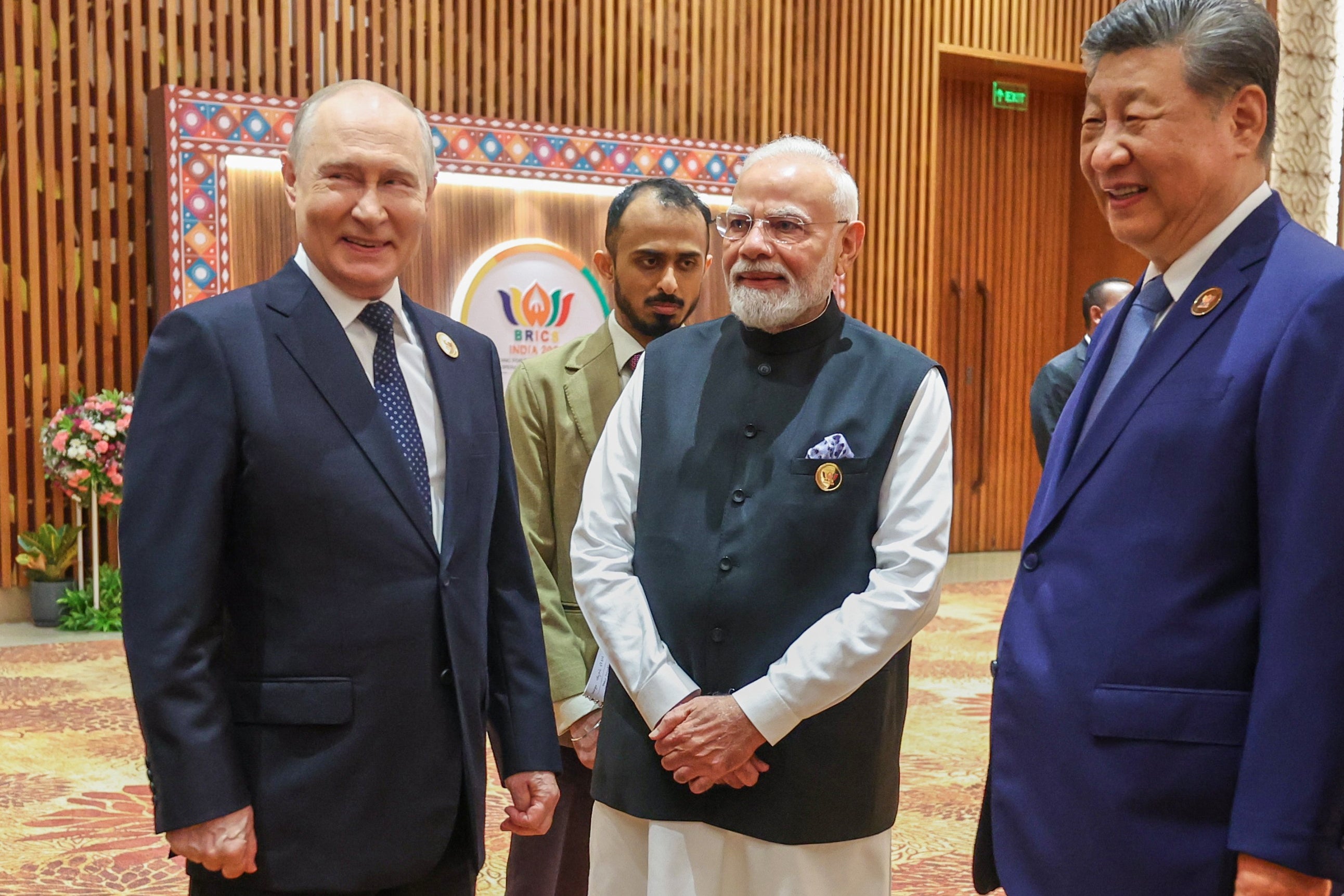
The Trump administration has pressed Delhi to reduce its purchases of Russian crude, arguing that the billions of dollars it spends help Moscow finance its war in Ukraine. India has pushed back against the pressure, insisting that decisions over where it buys oil are determined by the energy requirements of its 1.4 billion people and the need to secure supplies at affordable prices.
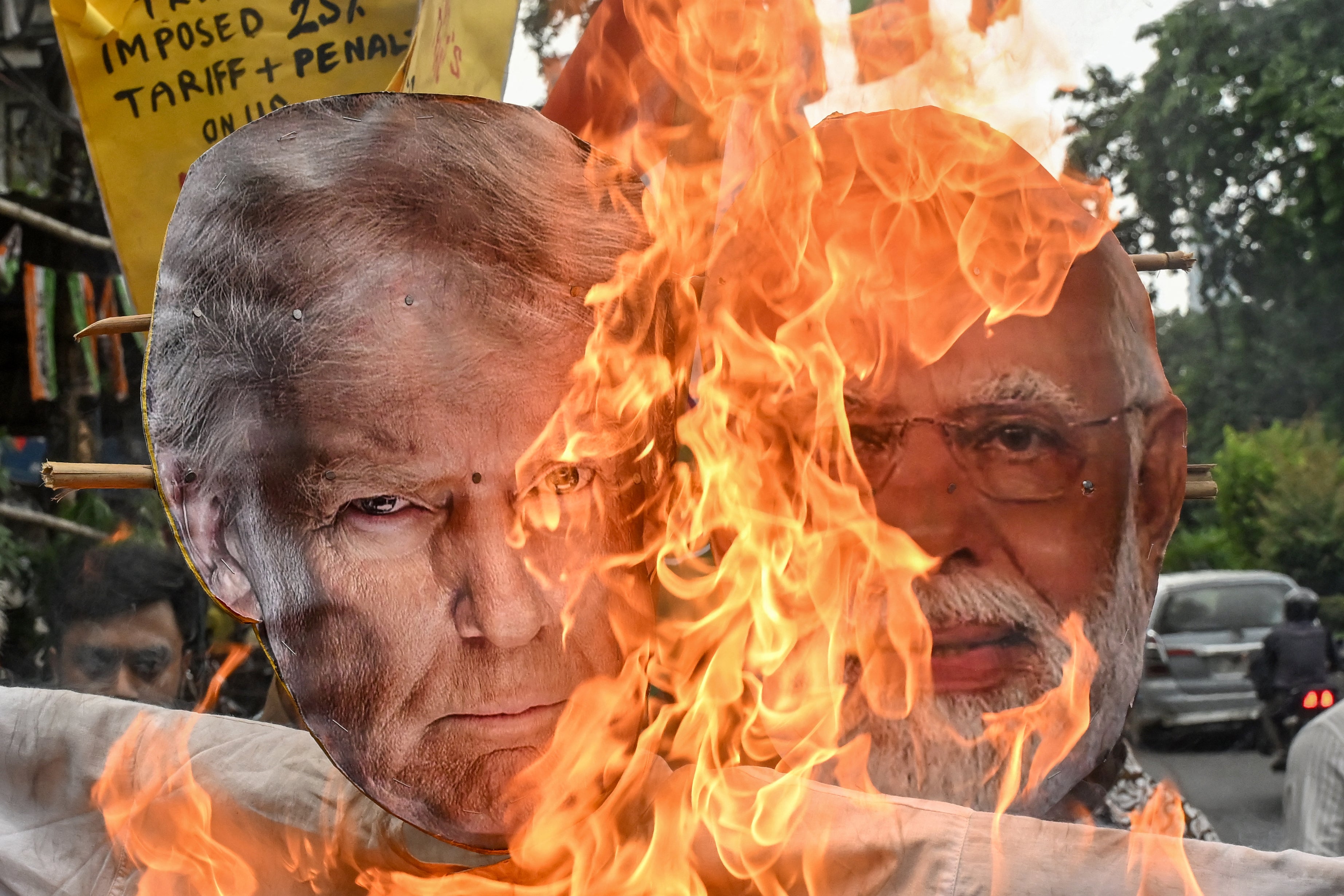
Russian crude became particularly important to India after Moscow’s invasion of Ukraine in February 2022 when Western sanctions and a decline in European demand allowed Indian refiners to buy oil at discounted prices.
Delhi has consequently emerged as one of the biggest buyers of Russian crude, making Washington’s demand politically and economically difficult to accommodate. The US-Israeli war against Iran and the resultant disruption to global energy supplies have further complicated the calculation by reinforcing concerns over prices and energy security.
Mr Nair said that no major movement was expected on the US demands for access to the agricultural market and a halt to Russia oil imports.
“Modi will be keen to avoid perception among the public that the US is dictating Indian purchasing decisions in any way, especially while his government faces considerable pressure over issues, like alleged electoral irregularities,” he said.
“While ties with the US have enjoyed bipartisan support in India over the last few decades, this appears to be changing, with opposition parties highlighting the limits of the relationship in recent months. This gives Modi limited wiggle room to make concessions.”
What happens next?
There is still hope for two-way talks as US secretary of state Marco Rubio is expected to visit India later this month.
Mr Modi and Mr Trump, who spoke by phone on 30 September, were also expected to speak again soon to review progress.
Mr Modi is expected to visit the US in December for a G20 meet.
“The impasse is likely to feed into the trust deficit between them which has so far been largely caused by America’s increasingly unpredictable tariff strategy. At most, we can expect limited cooperation in areas such as defence sales,” Mr Nair said.
Source: www.independent.co.uk