




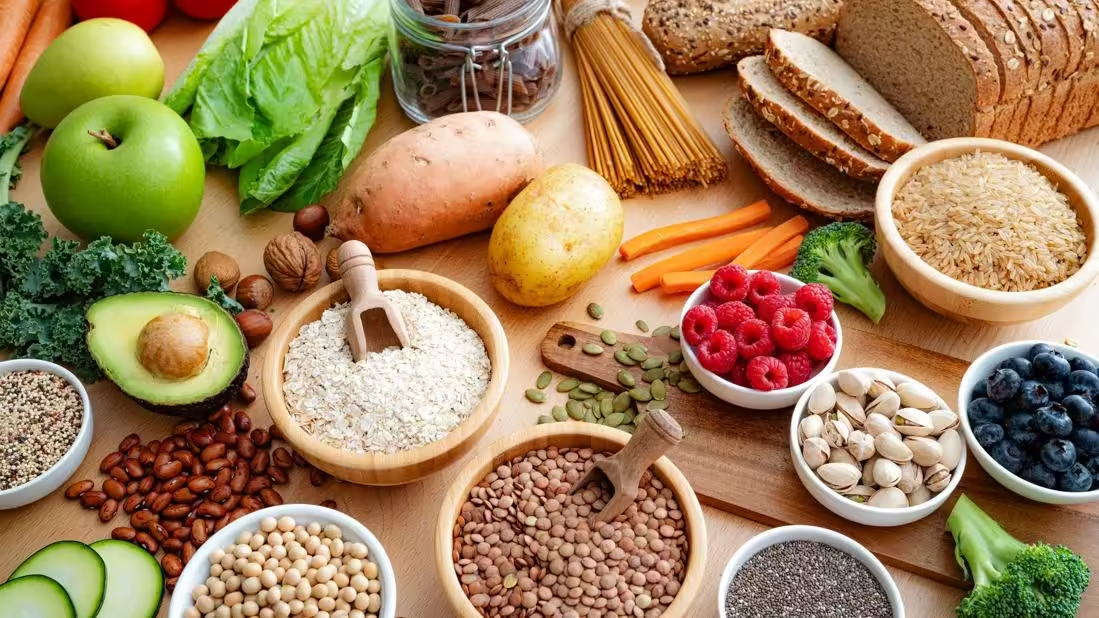

If you have Type 2 diabetes, you’ve probably spent plenty of time thinking about what to eat to help keep your blood sugar (glucose) steady. But did you know that the order in which you eat different foods can help, too?
Advertisement
Cleveland Clinic is a non-profit academic medical center. Advertising on our site helps support our mission. We do not endorse non-Cleveland Clinic products or services. Policy
When it comes to meal order, fiber deserves first place.
Registered dietitian Tegan Bissell, RD, LDN, CDCES, explains the benefits of dietary fiber and how eating it first can help keep your post-meal glucose in range.
Fiber and its role in diabetes
Most people think of fiber as the nutrient that helps keep you regular. But it also has many other health benefits, especially when you have diabetes.
One of dietary fiber’s biggest benefits is its role in blood sugar management.
Fiber is a type of carbohydrate, but it works differently from typical carbs. Your body can’t break it down, which means it doesn’t raise blood glucose the same way other carbs do. So, eating high-fiber foods can slow digestion.
“When you eat fiber with a meal, sugar reaches your bloodstream in a more controlled manner, preventing blood sugar spikes,” explains Bissell. “It’s almost as if the fiber acts as a barrier.”
A steady blood sugar level isn’t the only reason to fill your plate with fiber-rich foods. Other benefits include:
- Heart health: People with diabetes are twice as likely to have heart disease. A high-fiber diet can help lower your risk. That’s because it helps lower LDL cholesterol — the “bad” kind that forms plaque inside your blood vessels.
- Weight management: Because it slows digestion, fiber can help you feel fuller longer. This may help with weight loss or long-term weight management.
The ‘fiber first’ rule
Eating more fiber is important. But you can boost its benefits based on when you eat it. Feasting on fiber first may help keep blood sugar levels steadier after a meal.
It’s a strategy known as the “fiber first” rule, or meal sequencing, when you eat the components of your meal in a specific order.
“During meals, it’s ideal to eat fiber first, protein second and save the typical carbohydrates for the end,” Bissell says.
There’s another potential benefit, too.
“Fiber and protein are filling,” she adds. “So, by the time you reach the carb serving, you may eat less than you would have if you had the carbohydrates first.”
This strategy is extra easy if you’re following the diabetes plate method. It recommends filling your plate with these food ratios at each meal:
- One-half with non-starchy veggies
- One-quarter with lean protein
- One-quarter with complex carbs
Wondering how this works in real life? Let’s say your dinner has four parts:
- 3 to 5 ounces of lemon and herb fish
- 1 serving of asparagus
- 1 side salad with 1 tablespoon of salad dressing
- 1 small baked potato
Instead of digging into the potato at the jump, try eating the meal in this order:
- Asparagus and salad (high-fiber, non-starchy vegetables)
- Fish (protein)
- Baked potato (a carb-heavy, starchy vegetable)
What you drink with your meal can also make a difference. Bissell recommends water.
“Water binds with soluble fiber to form a thick gel,” she says. “It can slow the absorption of sugar and help you feel full.”
How much dietary fiber you should have each day
So, how much fiber should you aim for each day? The answer may surprise you. In fact, most adults in the United States get only about half the fiber they need.
The American Diabetes Association recommends the following:
- Females: 25 grams of fiber per day
- Males: 38 grams of fiber per day
But you should talk to your healthcare provider or a registered dietitian about what’s best for your body.
“Every person has unique dietary needs,” Bissell clarifies. “For example, people with irritable bowel disease may need to modify their fiber intake to manage the condition.”
The bottom line
Fiber does more than support digestion. It can also help keep blood sugar levels steadier and help you feel full longer.
If you’re tired of hearing about new diabetes food rules, that’s understandable. Managing Type 2 diabetes already involves a lot of daily decisions.
But meal sequencing isn’t about restricting foods or following another complicated plan. Instead, it’s a simple shift in how you eat what’s already on your plate.
“If you have Type 2 diabetes, try making fiber-rich foods the first thing you eat at meals,” Bissell encourages. “It’s a simple habit that may make a meaningful difference over time.”
Source: health.clevelandclinic.org

