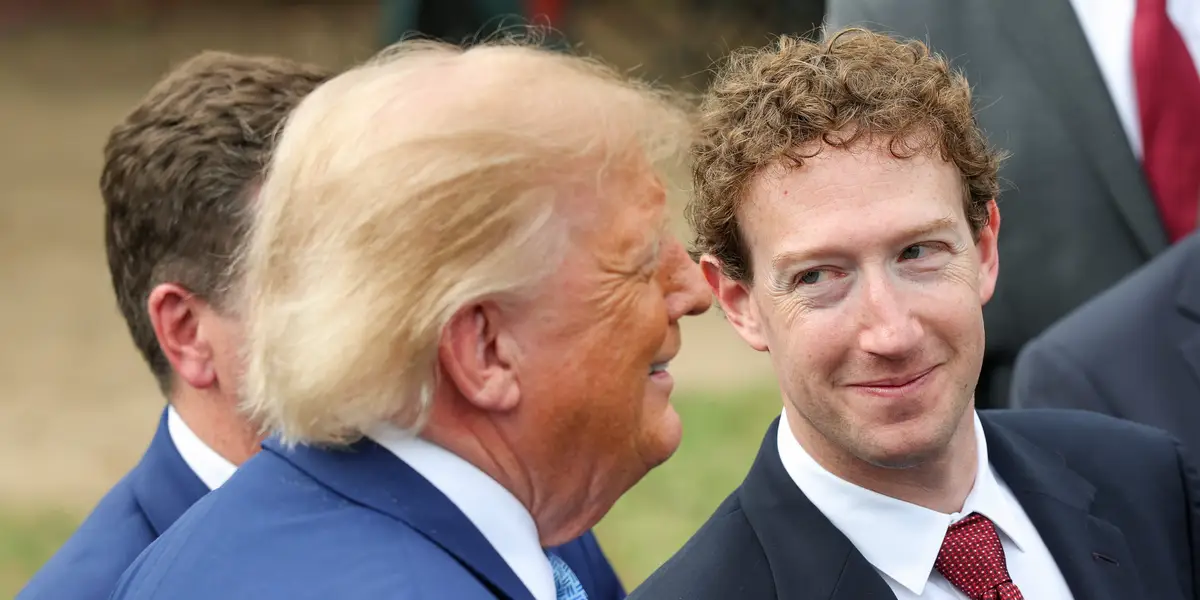




From Russia to AI to Iran, President Trump has taken political stances that put him at odds with much of the electorate.
Transcript
AYESHA RASCOE, HOST:
President Trump says the White House was not behind the recent throttling of satellite internet services to Ukraine. Elon Musk, whose company provides the service Ukraine relies on for battlefield operations, points out it’s owned and operated by the U.S. government. That’s where we’ll start today with NPR senior national political correspondent Mara Liasson. Good morning, Mara.
MARA LIASSON, BYLINE: Good morning.
RASCOE: Ukraine called it a deliberate move, and it also decried some U.S. sanctions on Russia that have been waived, right? Tell me about that.
LIASSON: That’s right. President Trump has taken a number of steps recently that critics say would help Russia, not Ukraine, in Russia’s efforts to subjugate Ukraine. He signed that executive order on Friday that lift tough new sanctions on Russia. Those are from the Lindsey Graham bill, which the president had just signed, and it was about to go into effect. A few days before that, he said the U.S. would start buying Russian diesel fuel. That potentially violates the law Congress passed in 2022, barring the U.S. from importing Russian gas without congressional approval.
And as for that suspension of the Starlink-Starshield satellite system that Ukraine uses to help intercept Russian missiles, access to that is controlled by the U.S. military, and the president is the commander in chief. Trump has also demanded that Ukrainian leader Zelenskyy be replaced. He declared an energy ceasefire that Russia immediately violated with no consequences. And he’s also shown in the past a real affinity for Russian leader Vladimir Putin and a real animus against Ukrainian leader Zelenskyy. But he’s never taken so many steps all at once that would help Russia.
RASCOE: NPR’s Joanna Kakissis just sat down with Zelenskyy, and he was really outspoken. Here he is on himself versus President Trump.
(SOUNDBITE OF ARCHIVED NPR CONTENT)
PRESIDENT/NPR CLIP VOLODYMYR ZELENSKYY: We are different people. I think that President Trump, maybe he likes such people like Putin.
RASCOE: Is that the motivation here? The politics don’t seem very cut-and-dry.
LIASSON: No. But part of the politics is that Trump has been making efforts – so far unsuccessful – to get the price of gas and diesel down before the midterm elections, even though oil experts say whatever diesel Russia could sell is really not enough to bring prices down very much. But he did get pushback from members of Congress for these latest moves in favor of Russia – mostly Democrats, but a few Republicans. But according to polls, the war in Ukraine in itself is not a top issue for voters this fall.
RASCOE: I mean, but this fall, as you’re talking about, what is happening with the landscape? The midterms are coming up fast.
LIASSON: That’s right. This week, we saw some eye-popping fundraising numbers that could reflect a big enthusiasm gap that favors Democrats. According to the latest campaign finance filings, individual Democratic candidates are bringing in tons of money. They’re outraising their Republican opponents in key Senate races like Texas and Alaska and Ohio, Maine, Michigan, Iowa. The Republican campaign committees and super PACs have been vastly outspending their Democratic equivalents. Elon Musk, for instance, has donated more than $150 million to help the Republican candidate Ken Paxton in Texas.
But Paxton’s Democratic opponent James Talarico has raised six times as much as Paxton this quarter, and those kinds of individual donations, usually in smaller denominations, they are a pretty good proxy for enthusiasm and another sign that Democrats are on offense and Republicans are on defense, especially in red states.
You know, another sign of this is Donald Trump’s travel schedule. This week, he’s going to North Carolina, Kansas, South Carolina, Iowa. He’s already been to Alaska and Texas and Georgia. These are red states that, in the past, Republicans should have been able or would have been able to take for granted.
RASCOE: Yeah. And so Georgia on Friday – and Georgia’s where you most recently had a focus group of swing voters. What did they say?
LIASSON: Yes. These are all swing voters. They voted for Biden in 2020, Trump in ’24. The biggest takeaway from this week’s focus group in Georgia, where Republicans have already pulled out of the Senate race, by the way, and the Democratic candidate looks like he’s going to cruise to victory. The biggest takeaway is that even though voters have been sour on Trump all cycle, they really haven’t connected their feelings about him to how they’re going to vote. But this week, our voters in Georgia, all of a sudden, are talking very strategically about their vote. They say they want their vote to be a check on Trump. They would – say they would be more likely to vote for a candidate who is not going to be a rubber stamp for the president.
RASCOE: That’s NPR’s Mara Liasson. Thank you so much for joining us.
LIASSON: You’re welcome.
Copyright © 2026 NPR. All rights reserved. Visit our website terms of use and permissions pages at www.npr.org for further information.
Accuracy and availability of NPR transcripts may vary. Transcript text may be revised to correct errors or match updates to audio. Audio on npr.org may be edited after its original broadcast or publication. The authoritative record of NPR’s programming is the audio record.
Source: www.npr.org