





The player community conducted a detailed comparative analysis of Night City vehicles with real-life production and concept models from the global automotive industry. Developers from CD Projekt RED combined elements of classic 20th-century design with futuristic technology when creating the in-game cars. Enthusiasts studied body proportions, lighting, and overall geometry, compiling a detailed list of similarities and key differences between them.
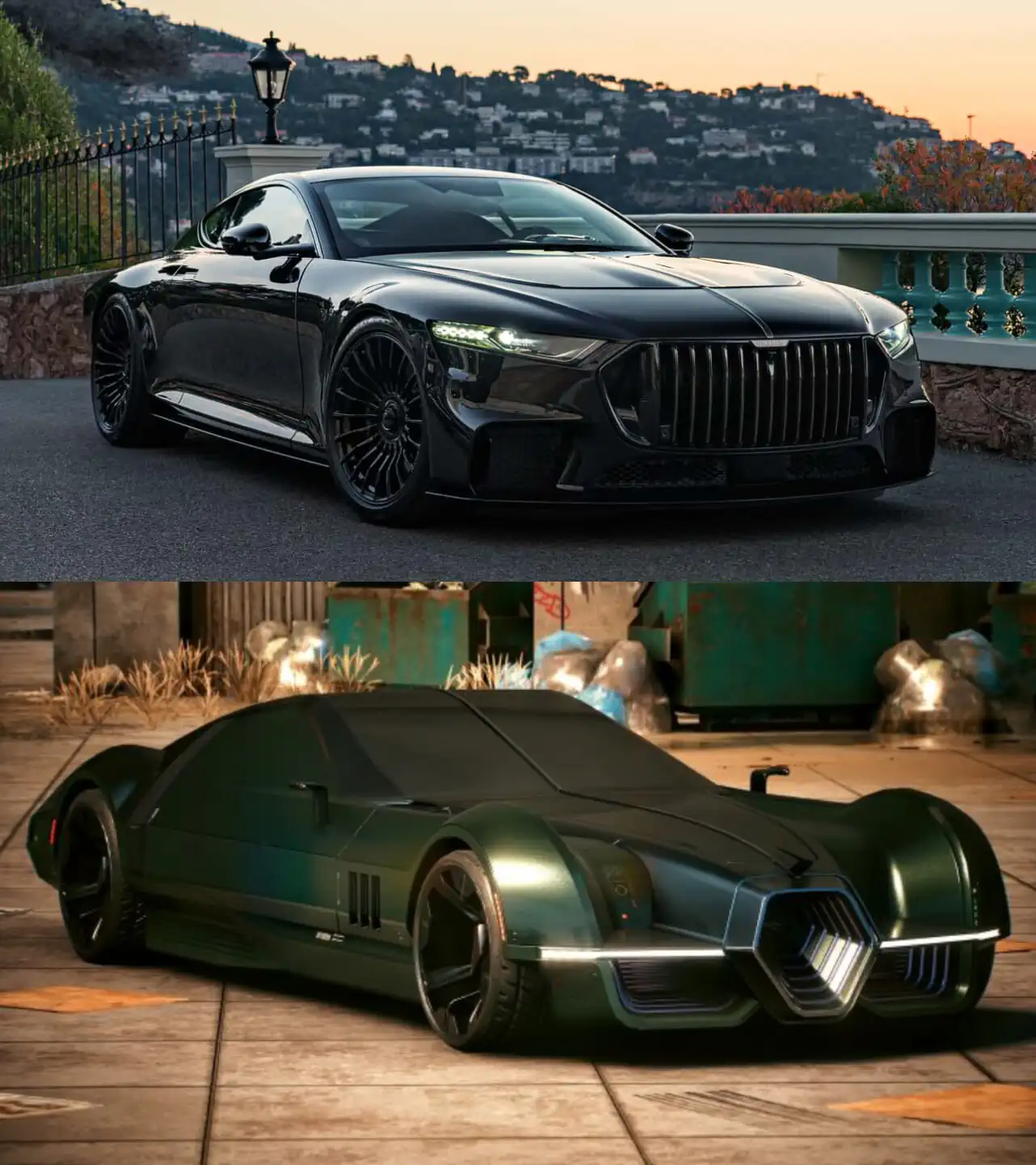
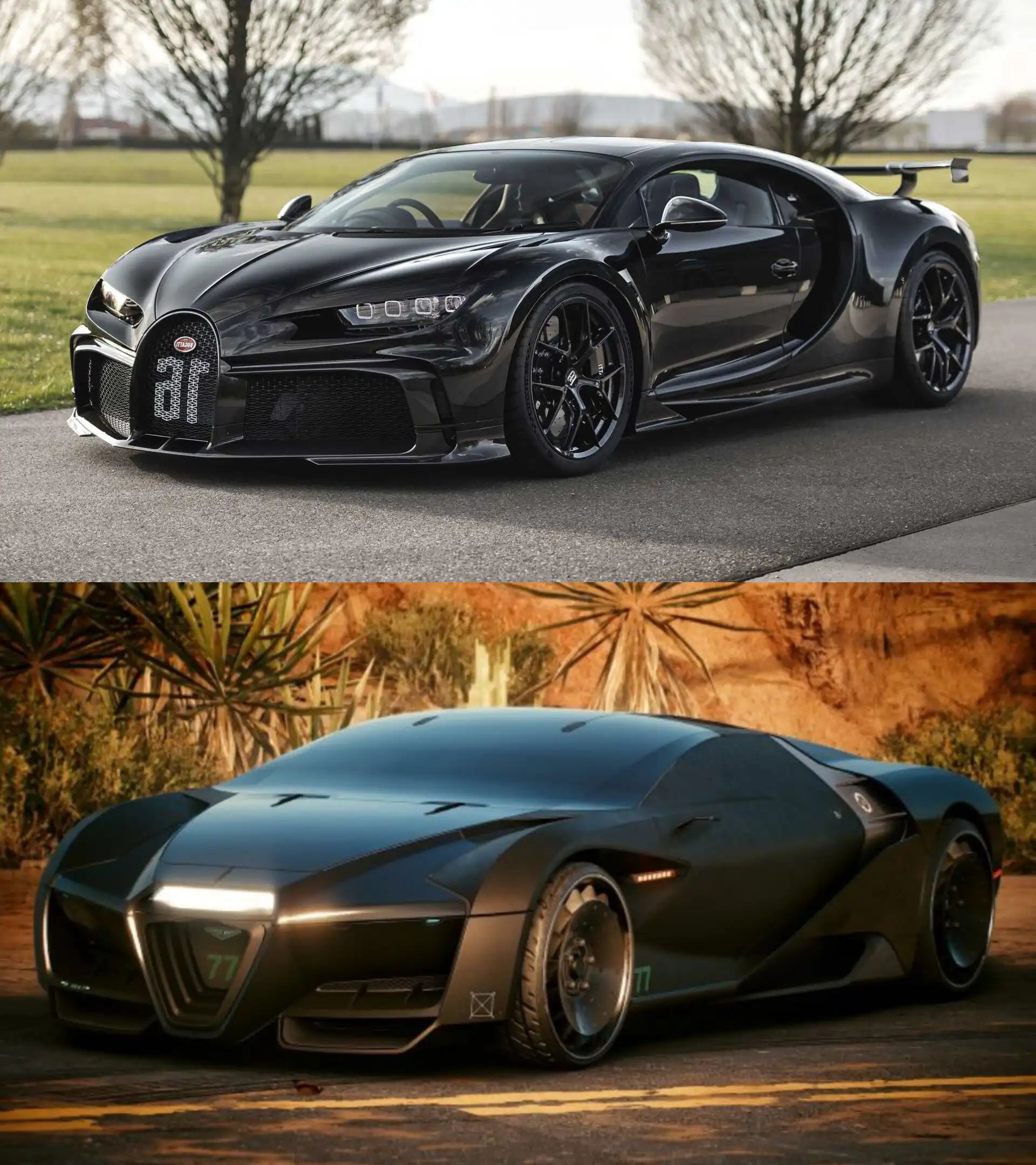
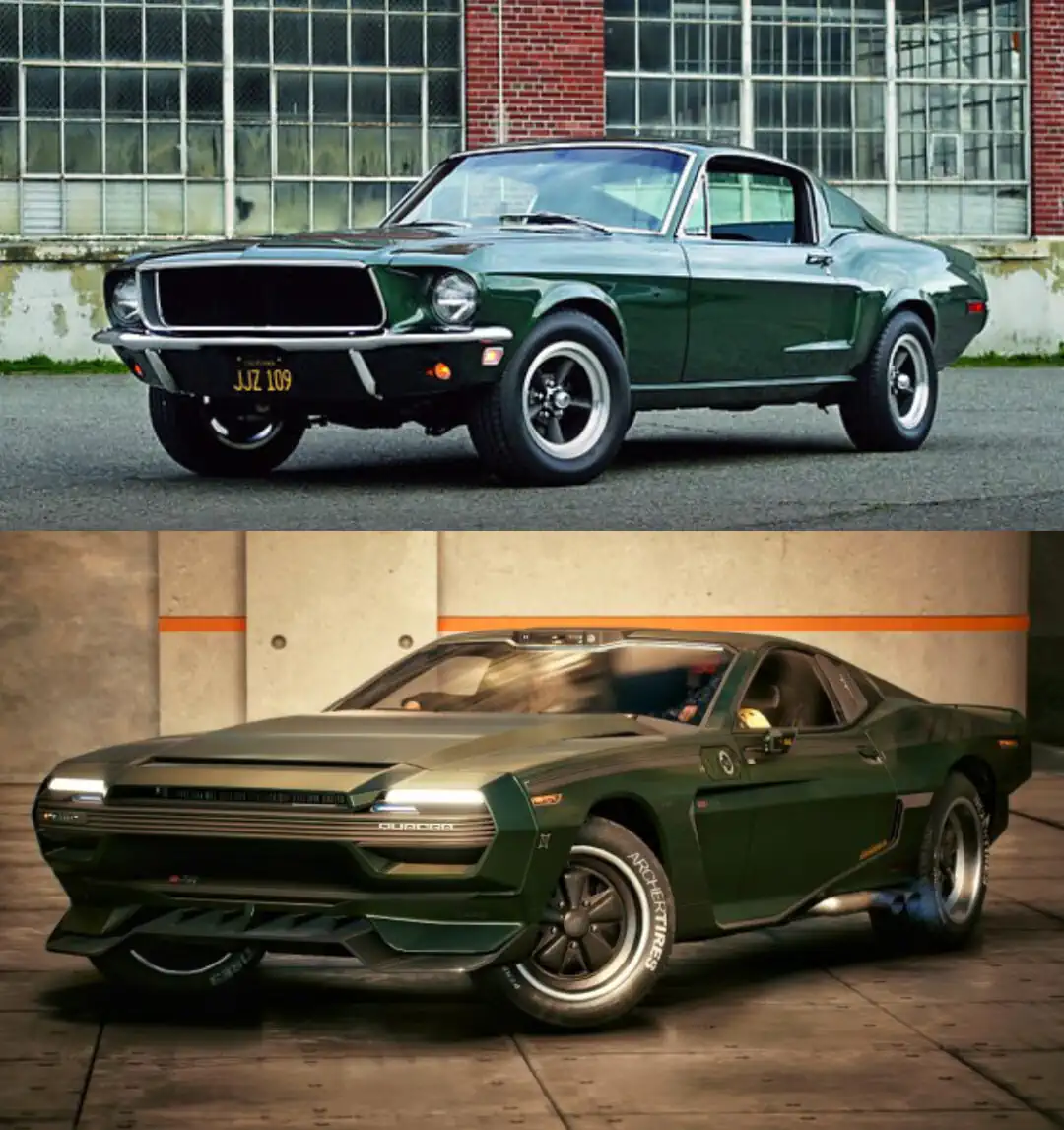
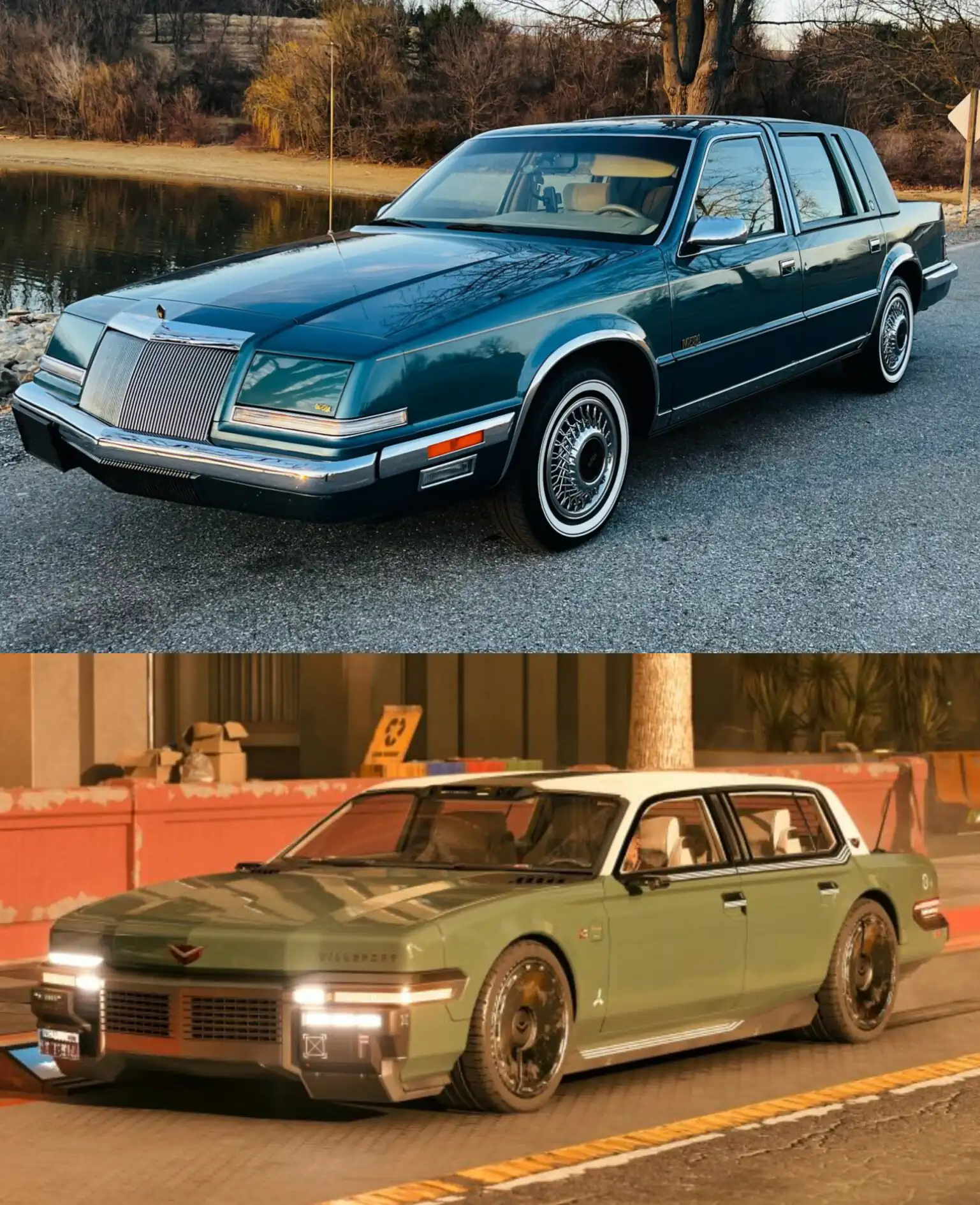
List of cars and their key visual differences:
- Quadra Type-66 and Ford Mustang 1968: the game model received a closed horizontal radiator grille, integrated narrow LEDs and an extended aerodynamic body kit instead of the classic round headlights and chrome of the original.
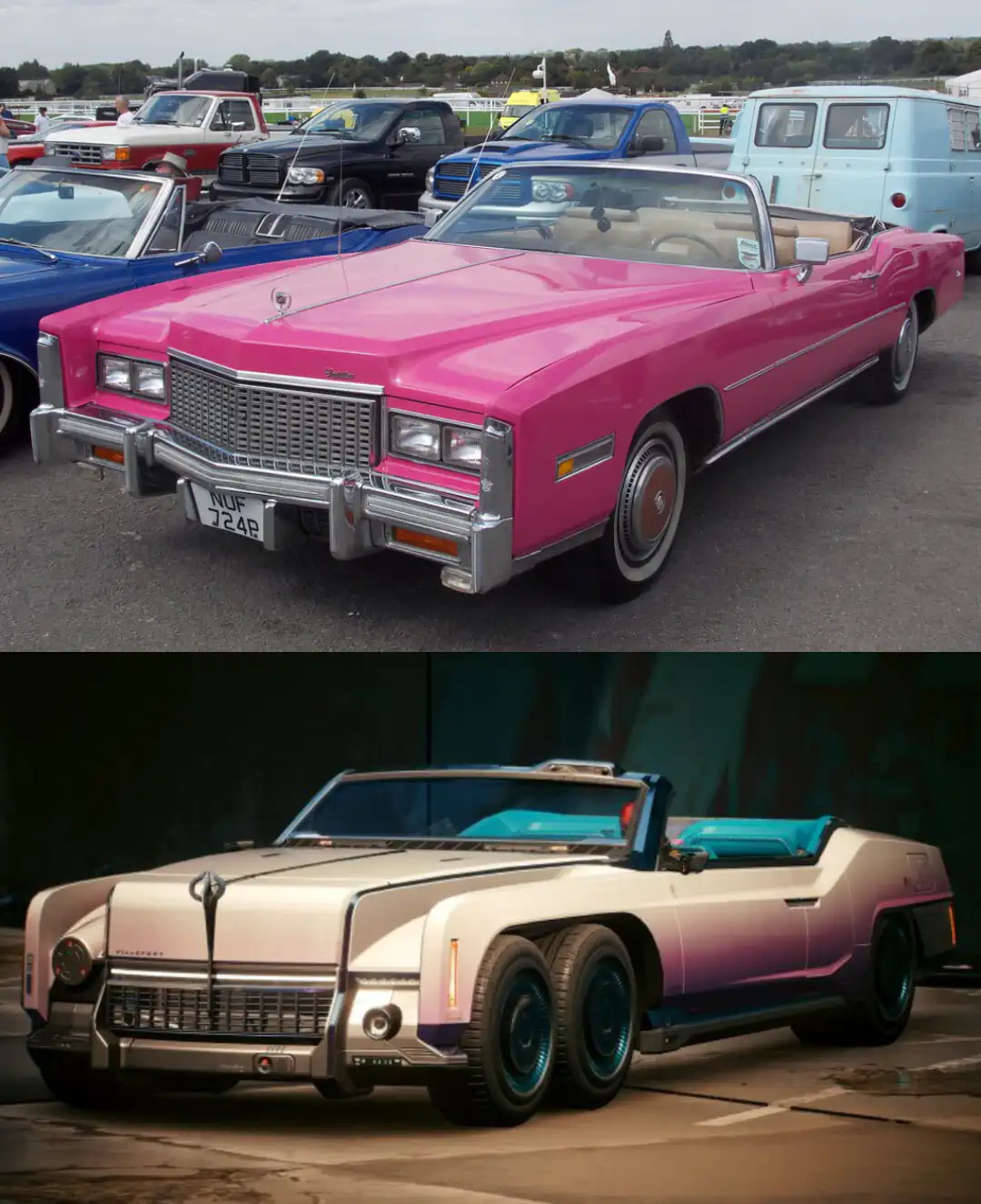
- Villefort Alvarado and Cadillac Eldorado 1976: The game’s version features a dual-axle front suspension with four-wheel steering, while the original convertible has a standard layout and classic square headlights.
- Rayfield Caliburn and Bugatti Chiron: The virtual hypercar features a triangular front air intake, rearview cameras instead of mirrors, and hidden wheel covers, in contrast to the prototype’s rounded grille and pronounced rear wing.
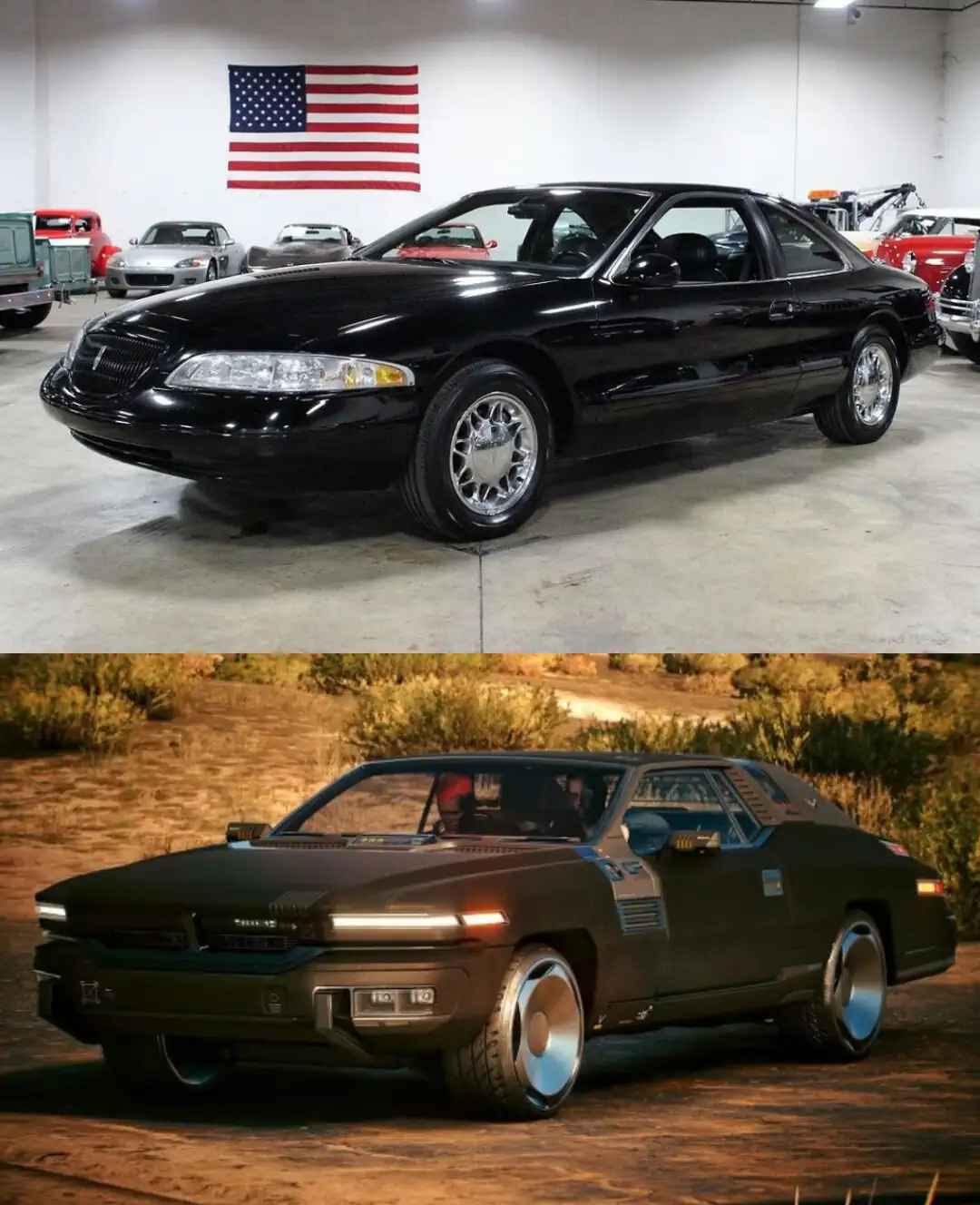
- Villefort Deleon and Lincoln Mark VIII: the futuristic sedan uses angular body shapes and flat neo-kitsch optics instead of the smooth, rounded lines of the American coupe of the nineties.
- Villefort Cortes and Chrysler Imperial 1981: The Night City model features a shortened vertical grille and a continuous light bar, while maintaining the strict proportions of the executive body.
- Rayfield Aerondight and Bodo Project 77: the gaming flagship features massive, protruding front fenders, a hexagonal grille, and open aerodynamic ducts, all features absent from the monolithic concept.
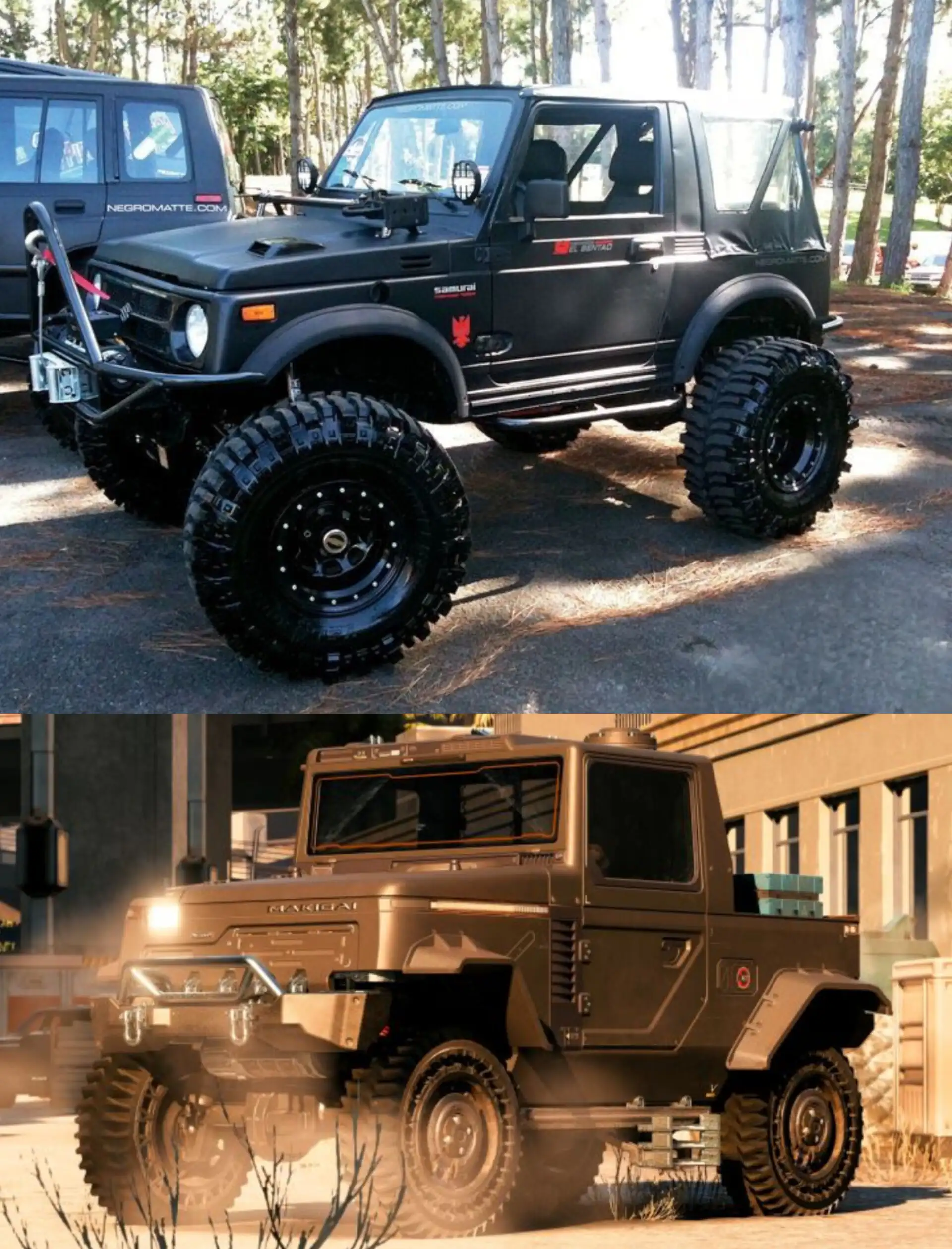
- Makigai Tanishi and Suzuki Samurai: The cyberpunk version features a massive armored cabin, recessed headlights, and large tires for tough off-road use.
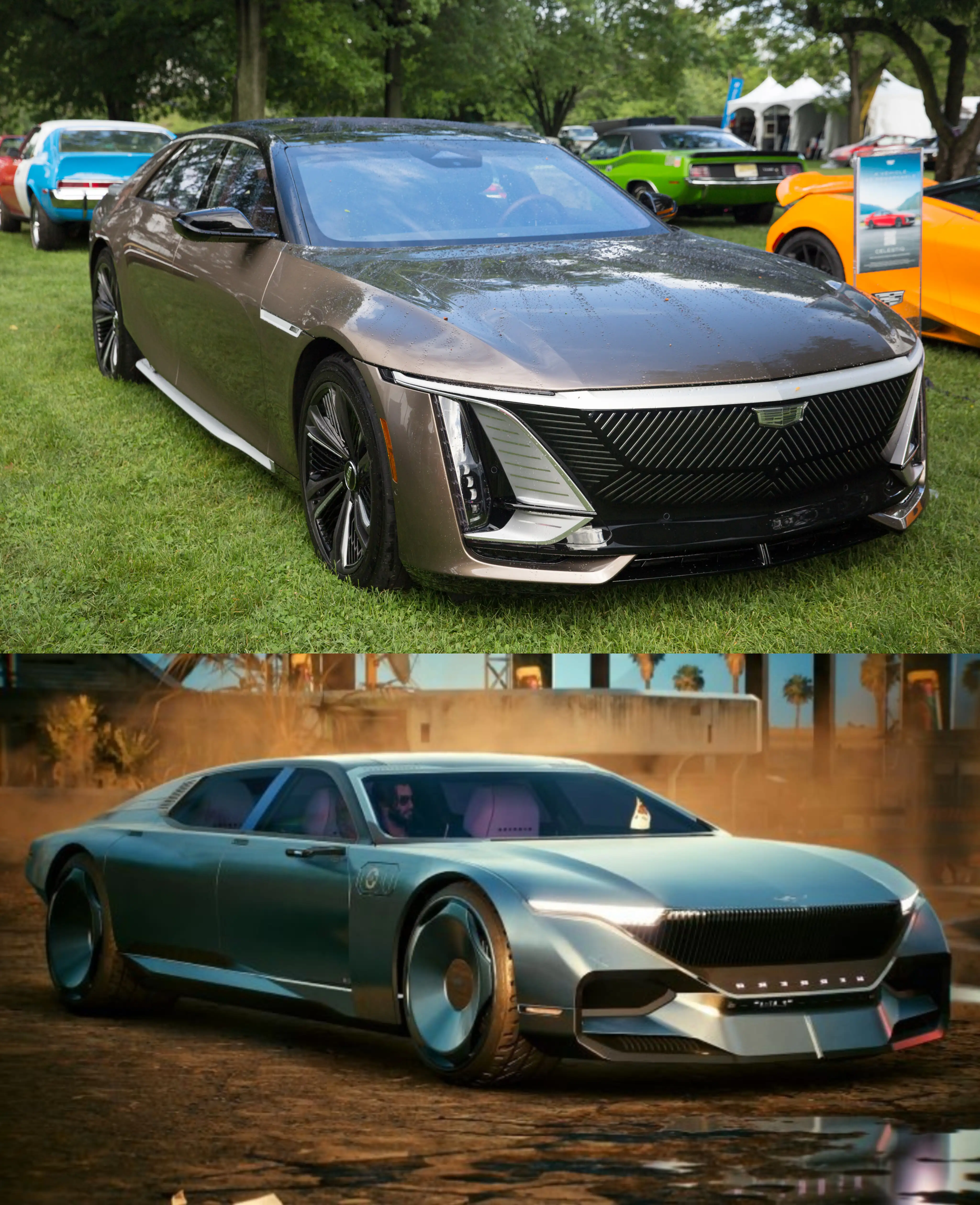
- Herrera Outlaw and Cadillac Celestiq: The toy electric car features a closed nose diffuser and recessed door mechanisms without the prototype’s exterior decoration.
This comparative analysis demonstrates that the project’s designers didn’t simply copy famous vehicles, but rather deeply reworked the recognizable features of legendary automobiles. The final game models fit harmoniously into the overall aesthetic of the dystopian metropolis, blending retrofuturism with modern engineering concepts.
@GameGPU_com
Join the discussion, share your benchmark results, and debate hardware performance in X.
Source: en.gamegpu.com