


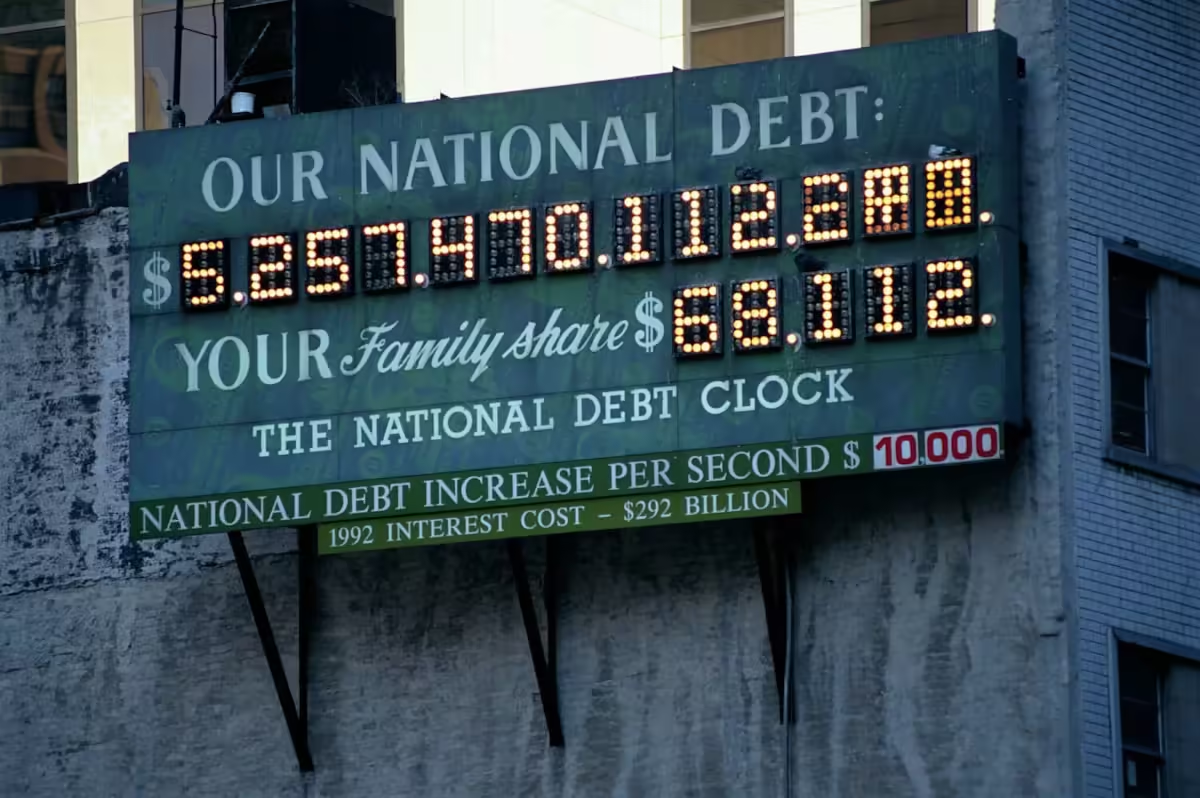

Americans understandably are troubled by the trajectory of the national debt, which was problematical before the onset of the COVID-19 pandemic and continues to climb to unprecedented levels. The amount that must be paid back to creditors, eventually, exceeds $40 trillion – an unfathomable number. No one understands what that number actually means, or how a nation, even one as prosperous as the United States, will ever be able to pay it back.
Fiscal hawks are quick to criticize Congress for relying on borrowed money to cover their spending needs every year since 2001. Without fail, Democratic and Republican presidents have had harsh words for predecessors who oversaw large increases in the national debt, only to implement the same faulty practices themselves. Unfortunately, congressional and presidential candidates who campaign on balanced budgets will lose the attention of some voters and frighten the dickens out of others. Ask a candidate how he or she would cut spending or raise taxes to balance the budget, and anything resembling an honest response will be political hari-kari.
Constituents must ask themselves a difficult question: How are Congress members any different from us? We live on borrowed dollars, so why shouldn’t they?
“Americans have a record level of credit card debt – $1.263 trillion, to be exact,” according to the website LendingTree. “Current balances are more than double the $478 billion recorded in Q1 1999.”
With interest rates on credit-card balances rates exceeding 21%, consumers are flocking to “buy-now, pay-later” plans, which typically set interest rates much lower. “Pay-in-four plans, which generally allow consumers to pay for purchases in four installments over six weeks, accounted for about half of the $160 billion in buy-now, pay-later spending last year,” The Associated Press reported Oct. 1, citing a study by Federal Reserve economists. “Use of those plans has increased nearly 80% since 2023.”
Americans value instant gratification, finding little pleasure in saving money to buy something next year that they want right now. This cultural trait drives Congress as well.
It is puzzling that Americans deplore the spending practices of Congress, to the point where the governing body enjoys an approval rating of just 10% – yet at the same time, live their lives on essentially the same principles. Economists have been warning for years that dire consequences await continued reckless borrowing by Congress, yet the people refuse to change their own habits or demand the same of their elected representatives.
Source: finance.yahoo.com