



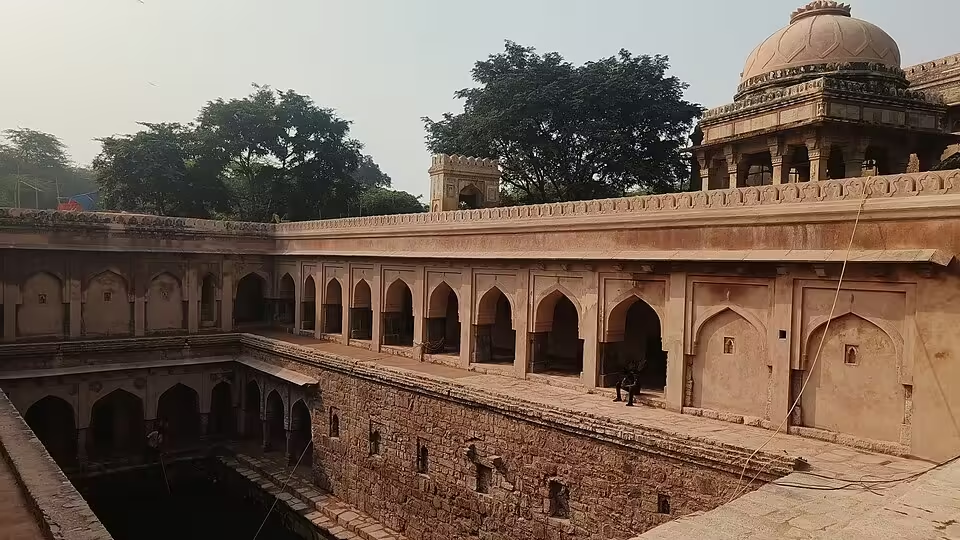

India’s stepwells are usually encountered after their useful lives have ended. They are photographed, restored and interpreted as evidence of a water culture that once existed. Beneath the carved stone and descending stairs is a practical question: what happens when a structure built to manage water is put back to work? As Indian cities face water stress, seasonal rainfall and pressure on municipal systems, researchers and restoration efforts are examining whether traditional water structures can function again.
Traditional water architecture was rarely an isolated object. In Ahmedabadwater management was embedded in the organization of the city. Within the historic pols, wells, courtyards and underground Tankas formed part of a distributed system of domestic and communal water storage. A 2026 study in Built Heritage estimates that nearly 10,000 Tankas may still exist across Ahmedabad, many located beneath domestic courtyards.
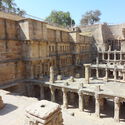
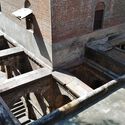
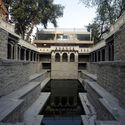
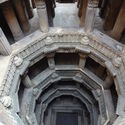
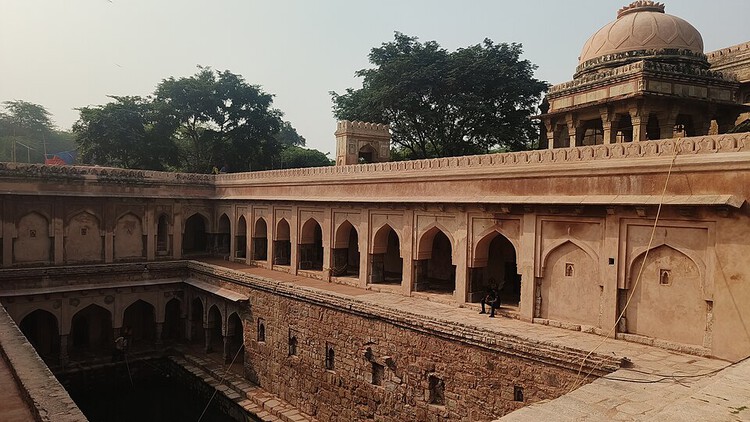
The Tanka was simple in construction, but its operation depended on several parts of the house working together. Rainwater was collected from roofs and courtyards, directed underground and stored within lime-lined chambers. The structures were typically constructed several meters below ground, using stone, brick and lime mortar, while sloping bases allowed sediment to be removed during cleaning. Water storage was part of the house itself. The building became part of the catchment and storage system.
Related Article
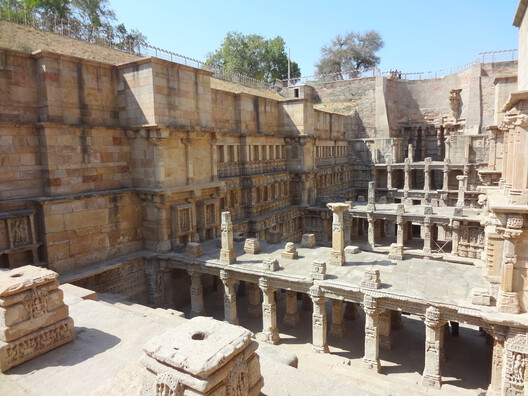
More than 200 community wells were constructed within Ahmedabad’s Pols by the late nineteenth centurywhile only 14 of the 94 documented stepwells in greater Ahmedabad lie within the historic Walled City. The monumental stepwell is the most recognizable image of India’s water heritage. In dense urban neighbourhoods, however, smaller wells and Tankas could be more practical.
In Ahmedabadthe expansion of piped municipal infrastructure and stormwater drainage gradually made household rainwater systems less necessary. The establishment of the Dudheshwar Water Works in 1892 marked part of this wider shift towards centralised supply. Over time, the Tanka remained physically present while its original role disappeared. A Tanka could remain beneath a house for generations, even as the water entering the building arrived through a municipal pipe rather than a monsoon roof.
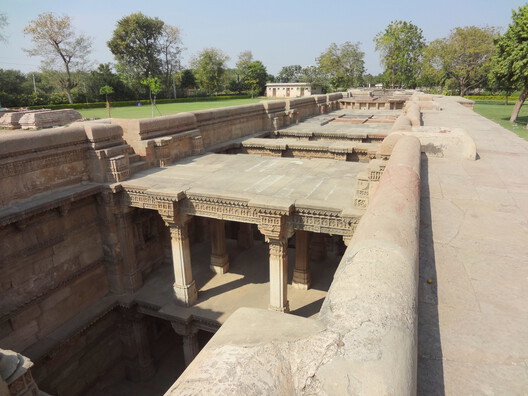
Ahmedabad’s geology offers one explanation for the emergence of the Tanka. The historic Walled City sits over dense clay strata, with groundwater often deeper than 40 meters. In such conditions, digging and maintaining wells could be difficult. Collecting rainwater close to where it fell provided another option, particularly within a dense urban fabric where larger water structures were difficult to accommodate. The courtyard became a catchment. The floor became a threshold to an underground reservoir. The house became part of a water system.
The 2026 Built Heritage study’s survey found that 90 percent of the residents questioned expressed willingness to reintegrate Tanka water into the urban system, although the study also identifies significant barriers around governance, ownership, incentives and water quality.
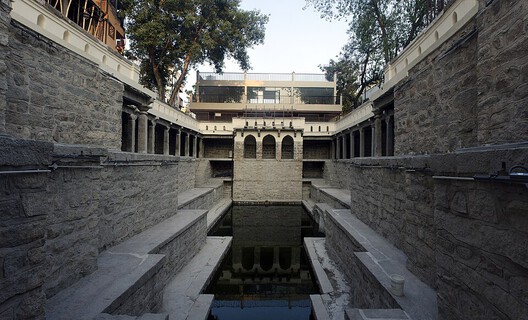
Bansilalpet Stepwell in Hyderabad provides a different case. For decades, the seventeenth-century stepwell had effectively disappeared beneath a dump. Its restoration involved removing approximately 2,000 tonnes of debris, after which a freshwater source was identified around seven meters below ground. The restored well was reported to have a water-carrying capacity of approximately 2.2 million litres.
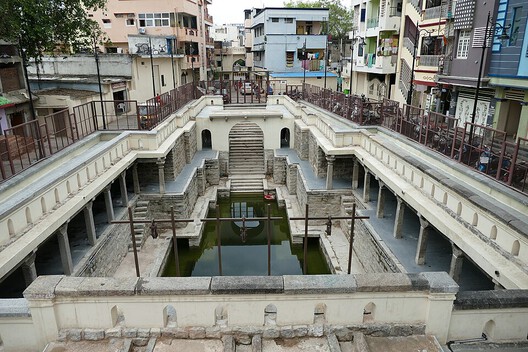
The restoration also addressed the surrounding precinct, including rainwater-harvesting measures and changes to surrounding infrastructure. Reports on the restoration record the well’s association with the water supply of Gandhi Hospital. Bansilalpet does not yet show that restored stepwells can supply cities at scale. The available evidence demonstrates water recovery, storage capacity and a deliberate attempt to reconnect the site with water management. It has not yet established its long-term contribution to Hyderabad’s overall water balance.
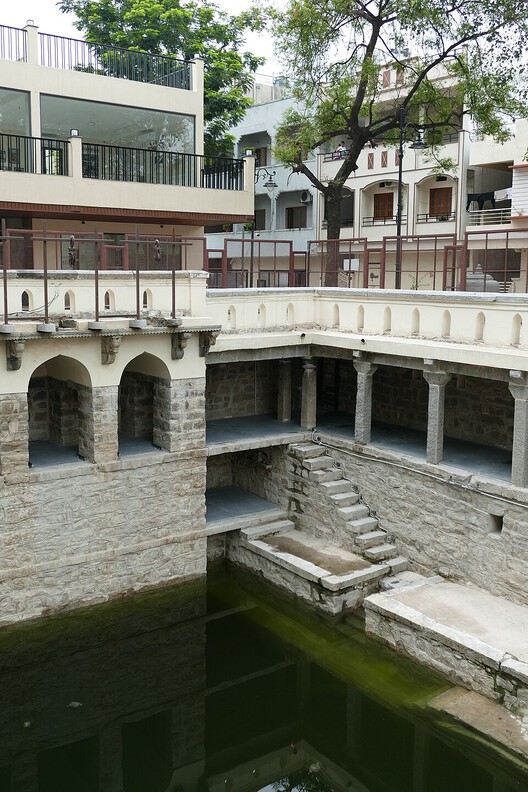
The harder problem begins once the water starts flowing. A Tanka depended on more than its masonry chamber. Its operation depended on seasonal cleaning, preparation of roofs and pipes, decisions about when to begin collecting rainwater and knowledge of how the system should be maintained. The 2026 research found that some surviving Tankas remain in use, while others have deteriorated or been repurposed. Water quality also varies, with some existing systems requiring treatment before water can safely be consumed.
Who maintains a privately owned Tanka if it contributes to a neighbourhood water system? Who tests the water? Who pays for repairs? How does a municipal authority regulate infrastructure located beneath private homes?
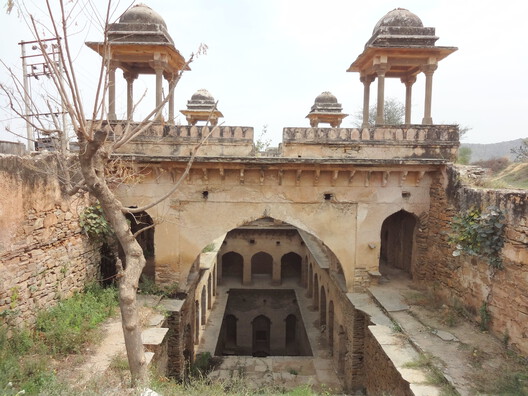
The researchers argue that the existing governance framework lacks mechanisms to incentivise citizen participation and heritage-based water reuse. They propose a model combining municipal capacity with community involvement. The system depends on routines of cleaning, testing, maintenance and shared responsibility. Without those routines and responsibilities, restoring the masonry does not restore the water system.
Amritvarshini Vav in Ahmedabad is another distinct case. Built around 1723 within the Walled City, the stepwell has an unusual L-shaped plan and extends more than 15 metres below ground. The Ahmedabad Municipal Corporation records that the structure was recharged in 2004. Recharging the well brings one of its original functions back into use.
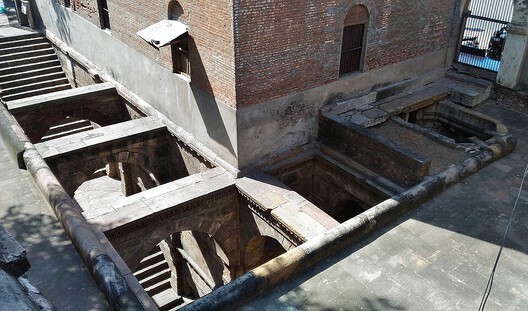
Reusing a historic water structure also introduces change. Contemporary safety requirements, water-quality standards, public access and urban infrastructure rarely correspond exactly to historic conditions. A restored water structure may therefore need to accommodate systems that did not exist when it was built. Continued use can also be part of its survival. New interventions can change how a historic water structure is experienced. A stepwell restored for public use may become a civic space, a heritage attraction, or both, depending on how the surrounding program is designed.
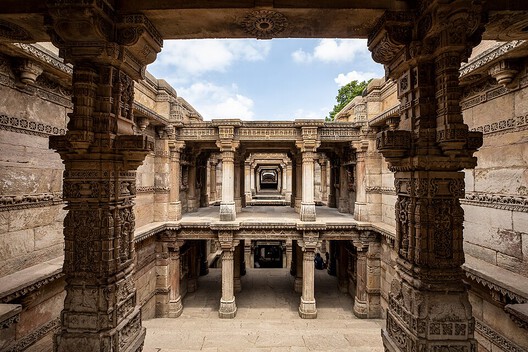
The restoration extended beyond the well itself into the surrounding public realm, introducing new infrastructure and uses around the historic structure. The restored site now functions both as a water structure and as a civic and heritage destination. At the scale of the house, the Tanka transformed a roof and courtyard into a water catchment. At the scale of the Pol, wells became shared resources within a dense neighbourhood. At the scale of the city, stepwells connected water and public life. Their effectiveness depended on how they worked with surrounding buildings, people and environmental conditions.
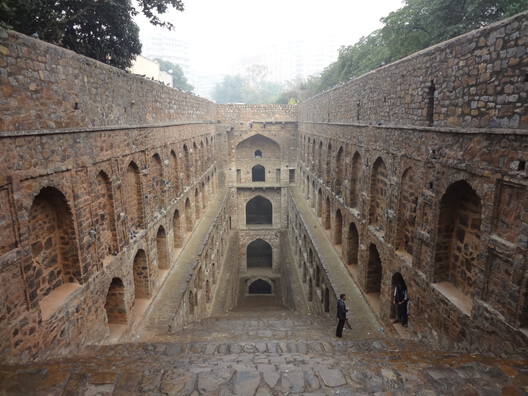
Today, these systems could supplement existing municipal infrastructure. Heritage buildings could contribute to rainwater management. Courtyards could become storage systems. Existing structures could be adapted for continued use. Such a shift would also require coordination between architecture, water policy, municipal authorities and the communities that maintain these systems. The Tanka worked because the roof, courtyard, reservoir and routines of maintenance formed one system. Bringing it back into use therefore depends on whether the buildings, institutions and communities around it can support that system again.
This article is part of the ArchDaily Topic: The Architecture of Water: Territories, Tensions & Transformations. Every month we explore a topic in-depth through articles, interviews, news, and architecture projects. We invite you to learn more about our ArchDaily Topics. And, as always, at ArchDaily we welcome the contributions of our readers; if you want to submit an article or project, contact us.
Source: www.archdaily.com